








From 'Garden City' to 'City in Nature'
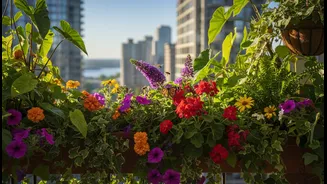
The story of Singapore’s greening is not a recent trend; it's a foundational principle. It began in the 1960s with then-Prime Minister Lee Kuan Yew’s vision to transform Singapore into a “Garden City.” This wasn’t just about aesthetics. In a newly independent
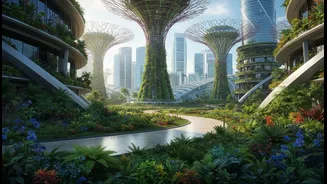
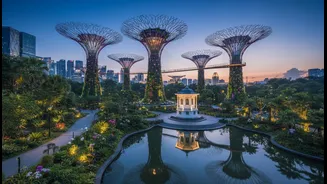
nation with no natural resources, creating a clean, green, and liveable environment was a core strategy to attract foreign investment and improve quality of life. Early efforts involved widespread tree planting and establishing parks. This vision has since evolved, moving from “Garden City” to “City in a Garden,” and now to the ambitious “City in Nature” framework. This latest chapter, part of the Singapore Green Plan 2030, aims to more deeply integrate nature into the urban landscape, making it a key component in the city’s fight against climate change and a tool for enhancing biodiversity.
The Enduring Appeal of Rainforest Trails
Before green walls scaled skyscrapers, Singapore's green heart was found on the ground, in its surprisingly wild nature reserves and parks. Even today, these spaces are the soul of the island’s greenery. The MacRitchie Reservoir Park, home to Singapore’s oldest reservoir, offers an 11-kilometre trail that takes you through mature secondary rainforest. It provides a powerful sense of escape from the urban hustle. Similarly, the Rail Corridor is a testament to clever urban repurposing. This former railway line has been transformed into a 24-kilometre green spine, a continuous path for walkers and cyclists that cuts through the island, connecting communities and offering a rustic, immersive nature experience. These trails and others, like the Southern Ridges, are not just recreational amenities; they are vital ecological corridors that preserve the island’s natural heritage and offer residents a direct, grounding connection to nature.
The Vertical Leap: Greening the Skies
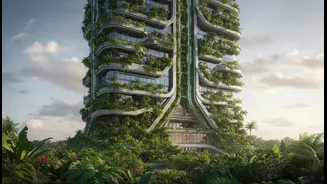
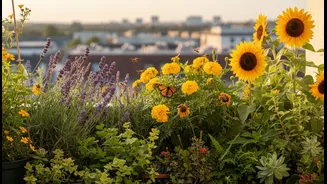
As a densely populated island, Singapore eventually ran out of one crucial resource: horizontal space. To continue its greening mission, it had to look up. This constraint sparked one of its most famous innovations: vertical greenery. Today, the city’s skyline is increasingly draped in living tapestries of plants. Hotels like the PARKROYAL COLLECTION on Pickering and Oasia Hotel Downtown are world-renowned examples. The PARKROYAL features over 15,000 square metres of cascading sky gardens, while the Oasia is wrapped in a porous, vine-covered facade that serves as a living, breathing skin. These aren't isolated novelties. Government initiatives like the Green Mark certification scheme actively encourage developers to incorporate skyrise greenery, ensuring that for every new building, nature climbs along with it.
More Than Just Decoration
These vertical gardens are far from being just pretty facades. They are high-performance ecosystems integrated into the building’s function. The layers of vegetation provide natural insulation, reducing the building's temperature and lowering the immense energy costs of air conditioning in a tropical climate. They act as natural air filters, absorbing carbon dioxide and trapping dust particles, improving air quality for the streets below. These green walls and sky terraces also create new habitats for birds and insects, boosting urban biodiversity. For the people inside and around them, the benefits are clear, offering visual relief, reducing stress, and fostering a greater sense of well-being in a dense urban environment. They are a functional, beautiful solution to making high-rise living more sustainable and humane.
A Trail for Other Cities to Follow?
Singapore’s journey from preserving its ground-level rainforests to engineering vertical ones is a compelling story of adaptation and foresight. It demonstrates a consistent, decades-long commitment to making nature a non-negotiable part of urban life. Of course, this approach comes with challenges. Vertical gardens can be expensive to install and require significant maintenance, including complex irrigation systems and regular care. However, as cities across India and the world grapple with similar issues of population density, pollution, and the urban heat island effect, Singapore’s model offers a powerful template. It shows that development doesn't have to come at the cost of the environment. Instead, with innovation and political will, nature can be woven into the very fabric of the modern metropolis, creating cities that are not just smart, but truly liveable.