




An Electrifying Milestone
The numbers for October 2026 paint a vivid picture of a market hitting its stride. Across India, electric passenger vehicle registrations soared to nearly 37,000 units. This represents an astonishing year-on-year growth of over 76%, a clear signal that
EVs are moving from a niche interest to a mainstream choice for Indian car buyers. This surge meant that electric cars accounted for over 7% of all passenger vehicles sold during the month, more than double their share from the previous year. The impressive growth outpaced the broader passenger vehicle market, highlighting a decisive consumer shift towards electric mobility.
Tata Motors Continues to Lead the Pack
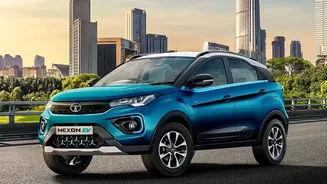
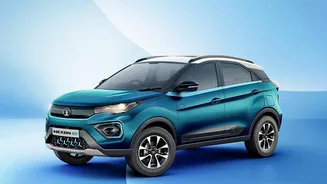
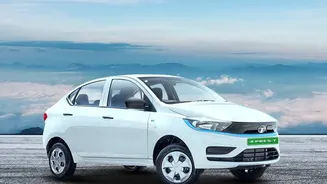
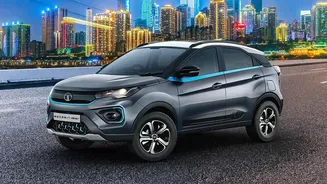
At the forefront of this electric revolution remains Tata Motors. The home-grown auto giant continued its dominance, accounting for over 40% of the EV market with approximately 14,669 units registered in October. This performance, a staggering 77% increase from the same month last year, was powered by its diverse portfolio, which includes popular models like the Punch EV, Nexon EV, and Tiago EV. By offering electric options across various price points and body styles, Tata has successfully built a strong foundation and continues to steer the market's direction.
Competition Intensifies as Rivals Gain Ground
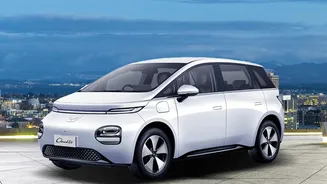
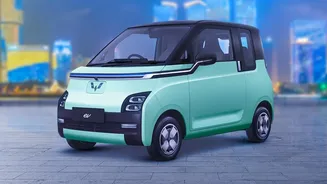
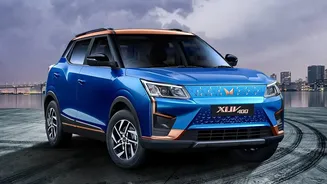
While Tata holds the top spot, the October sales story is also about the rise of the competition. Mahindra & Mahindra solidified its position as a powerful number two, registering over 8,500 EVs for a market share of around 23%. The company recorded an impressive 85% year-on-year growth, indicating its strategy with models like the XEV 9S and the BE lineup is resonating with buyers. JSW MG Motor also had a strong showing, securing third place with nearly 6,000 units sold, driven by a portfolio where EVs constitute a significant majority of its sales. Together, these top three Indian and international players command over 80% of the market.
The New Players Fuelling Growth
Beyond the top three, a growing cohort of manufacturers is adding depth and choice to the market. Vietnamese automaker VinFast, for example, saw a dramatic surge in sales, jumping from just over 140 units in October 2025 to more than 2,500 in October 2026. Kia India also posted healthy growth of over 85% year-on-year, with models like the Syros EV helping it cross 1,300 units. Meanwhile, Maruti Suzuki is steadily making its presence felt, and players like Hyundai and BYD continue to be important contenders in their respective segments. This expanding field is crucial, as it provides consumers with a wider range of vehicles, features, and price points, moving the conversation beyond just fuel type.
What's Powering the EV Surge?
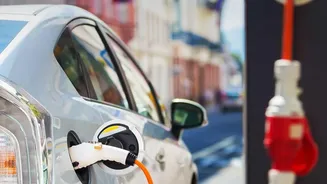
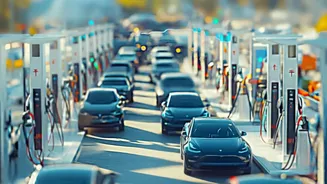
Several factors combined to create this perfect storm of EV sales. The festive buying season provided a significant tailwind. However, industry experts point to more structural shifts at play. A wider availability of models, especially in more affordable segments, has made EVs accessible to more families. Noticeable improvements in real-world driving range and the steady expansion of the highway charging network are also boosting consumer confidence. Furthermore, favourable government policies, including a lower GST rate on EVs compared to petrol or diesel cars and other incentives, continue to make the electric option financially attractive.