



The Sobering Sales Figures
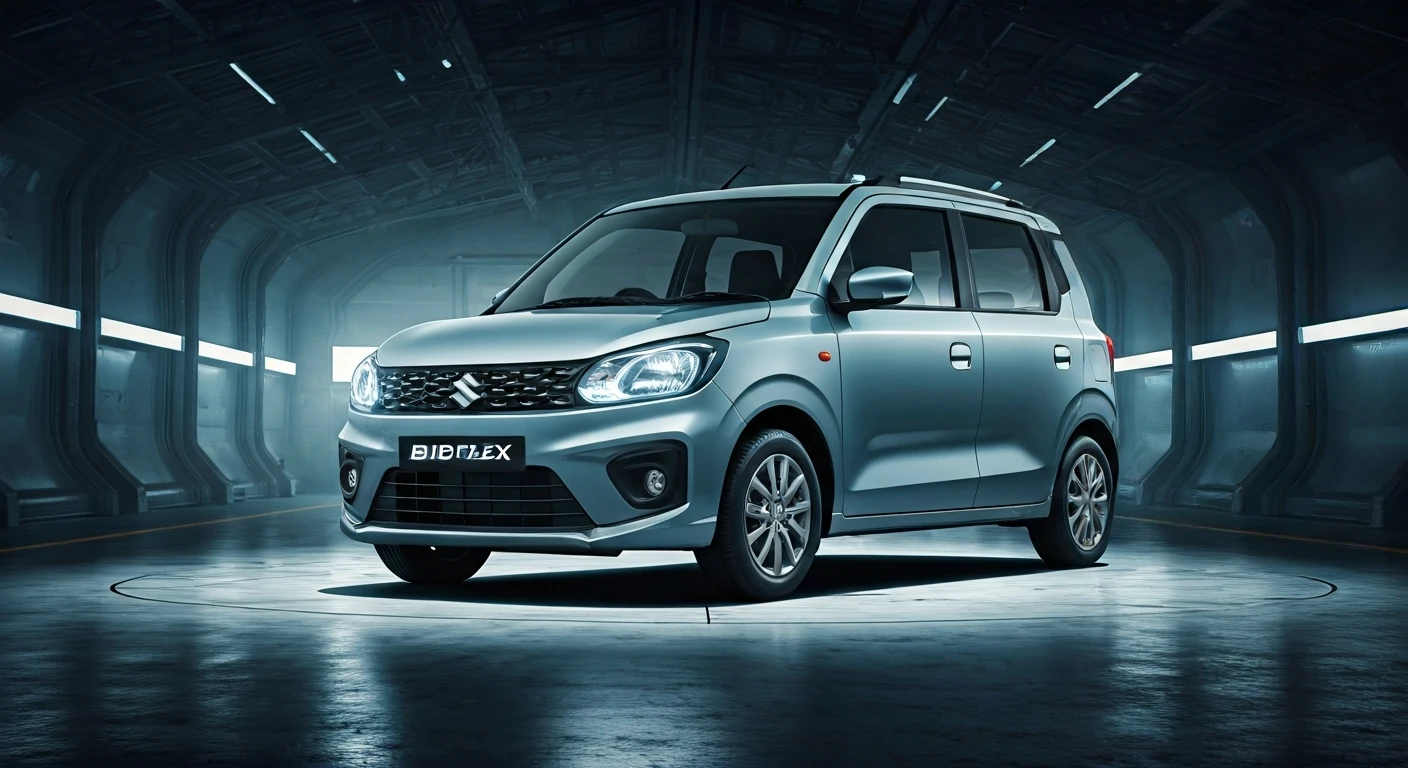
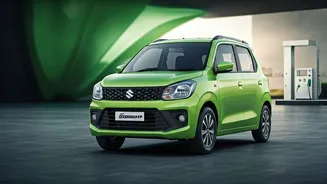
Recent data reveals just how slow the start has been for the flex-fuel version of one of India's most popular hatchbacks. According to registration data, only three units of the Maruti Suzuki Wagon R Bioflex were sold in the first month since its launch.
While this number seems alarmingly low for a high-volume model like the Wagon R, it was reportedly anticipated by the company. Maruti Suzuki has indicated that this initial phase is more of a controlled experiment, with sales restricted to select commercial fleet operators who have access to designated pilot fuelling stations. The move allows the company to gather real-world performance data without exposing retail customers to the current challenges of owning a flex-fuel vehicle.
The Chicken-and-Egg Fuel Problem
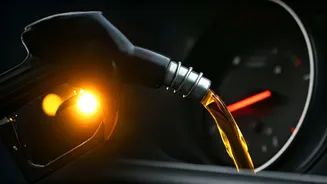
The single biggest hurdle for the Bioflex Wagon R is the classic chicken-and-egg dilemma of infrastructure. The car is engineered to run on E85, a blend of 85% ethanol and 15% petrol. However, the availability of E85 fuel for the public is virtually non-existent. While India has successfully rolled out E20 petrol nationwide, dedicated E85 pumps are scarce, with only about 48 retail outlets offering it, primarily in cities like Delhi and Mumbai. The government has plans to expand this to 500 stations by the end of 2026, but until that network materialises, there is little incentive for a customer to buy a car they can't easily refuel. Fuel retailers are hesitant to invest in E85 infrastructure without a significant number of compatible cars on the road, and customers won't buy the cars without the fuel.
The Economics Don't Add Up... Yet
For the budget-conscious Indian car buyer, the math is crucial. The Wagon R Bioflex comes with a significant price premium of around ₹86,000 over its standard petrol counterpart. This upfront cost is a major deterrent. Furthermore, the running costs are not as straightforward as they might seem. While E85 fuel is priced about ₹20 per litre cheaper than regular petrol, ethanol has a lower energy density. This means the engine has to burn more fuel to produce the same amount of power, resulting in lower mileage. Real-world tests on flex-fuel two-wheelers have shown a substantial drop in fuel efficiency, which can negate the savings from the cheaper fuel, leading to higher running costs per kilometre.
A Strategic Play for the Long Run
Despite the sluggish retail start, Maruti Suzuki's leadership views the Bioflex Wagon R as a strategic, long-term initiative rather than an immediate volume driver. The launch aligns with the national objectives of reducing India's heavy reliance on crude oil imports and cutting carbon emissions. By introducing the technology now, even on a limited scale, Maruti is building its capabilities and providing a real-world test case for the entire ecosystem. The company's managing director has noted that developing the full ecosystem—from fuel availability and pricing to consumer awareness and more model launches—is necessary for large-scale adoption, a process that could take five to ten years.