




An Annual Obsession
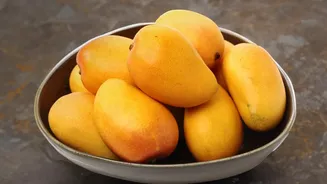
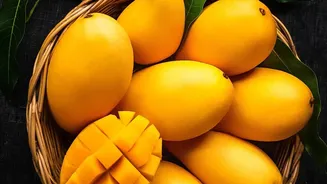
For generations, the arrival of mangoes has been a cherished ritual. It’s a sensory experience that defines the Indian summer—the sweet fragrance filling markets, the careful haggling with trusted vendors, and the family gatherings dedicated to peeling
and savouring the first batch of the season. From the prized Alphonso of Maharashtra to the sweet Dasheri of the North, each variety has its own loyal following and a specific window of peak flavour. This annual obsession, often dubbed 'mango mania', is a cultural touchstone, a nostalgic link to childhoods spent climbing trees and summers drenched in golden pulp.
The Quick Commerce Revolution
Parallel to this timeless tradition, a new force has reshaped urban Indian life: quick commerce. Platforms like Blinkit, Zepto, and Swiggy Instamart have revolutionised grocery shopping, promising to deliver everything from milk and bread to electronics in a matter of minutes. Built on a dense network of 'dark stores'—mini-warehouses scattered across city neighbourhoods—these apps have become an indispensable utility for millions. Their riders, zipping through traffic, are now as much a part of the city-scape as auto-rickshaws and street-food stalls. It was only a matter of time before this powerful logistics engine turned its attention to the country's favourite fruit.
When Mania Met Minutes
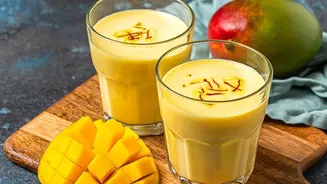
This summer, the convergence was impossible to miss. Delivery apps didn't just sell mangoes; they orchestrated an entire event around them. App interfaces glowed with vibrant yellow banners, and curated sections showcased an impressive array of varieties once only available in specific regions. You could crave a Ratnagiri Hapus at 10 p.m. and have it at your door before you could find a plate. The result was a boom in online mango sales, with some platforms reporting significant year-on-year growth in demand for both the fresh fruit and mango-flavoured products. Swiggy, for instance, reported delivering an average of 1,547 mango lassis every day during the peak season.
More Than Just Convenience
While the speed is dazzling, the trend is about more than just instant gratification. For many, it's about access and trust. These platforms often source directly from farmers or reputable wholesalers, offering assurances of quality and natural ripening in a market where artificially ripened fruits are a concern. They have made it possible for someone in Bengaluru to easily sample a Langda from the North, or for a resident of Gurugram to get their hands on a fresh batch of Kesar from Gujarat. This democratisation of access is changing how consumers experience the season, moving beyond local favourites to explore the rich diversity of India's mango landscape.
The Business of Nostalgia
For the delivery giants, mango season is a golden opportunity. The fruit's universal appeal and seasonal urgency drive high-value orders and attract new customers. Data shows that for some services, mangoes even outpaced staple items among first-time users this season, signalling a shift in consumer behaviour from utility to experience. One customer in Mumbai spent over ₹16,000 on a single order of mango gateau, while another in Bhopal ordered 120 pieces of mango cake at once. This demonstrates that quick commerce is no longer just for forgotten essentials; it's a vehicle for indulgence, celebration, and connecting with cultural moments.