





The Sacred Start: Bhog
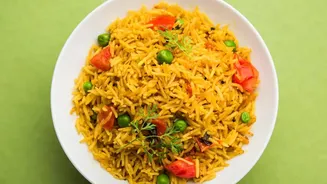
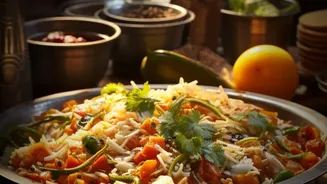
The culinary pilgrimage of Durga Puja begins with the sacred offering known as bhog. Served at community pandals, this is not just a meal; it's prasad, blessed food offered first to the Goddess and then distributed to devotees. The star of any bhog is the khichuri,
a soul-satisfying blend of aromatic gobindobhog rice and roasted moong dal, slow-cooked with spices until it achieves a porridge-like consistency. It's traditionally served on a sal leaf plate, accompanied by labra, a sublime mixed vegetable curry where pumpkin, eggplant, potatoes, and spinach melt into one another. Alongside these are various fried items or 'bhajas' like beguni (batter-fried eggplant slices) and aloo bhaja (crisp fried potato slivers). This meal, entirely vegetarian and cooked without onion or garlic, is a grounding, deeply nostalgic experience that unites everyone, from the well-heeled to the everyday worker, in a shared moment of community and devotion.
Pandal Hopping and Street Snacks
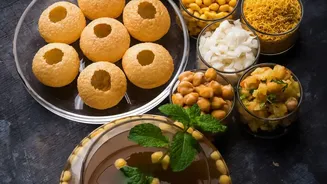
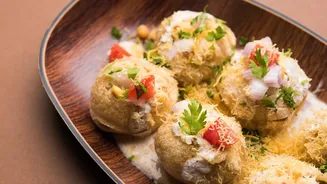
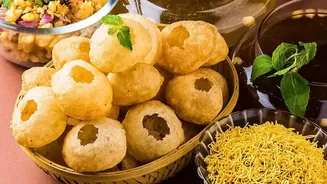
Once the afternoon's bhog has been savoured, the evening belongs to pandal hopping, a city-wide art walk that is fuelled by an astonishing variety of street food. As you navigate the crowded lanes from one artistic marvel to the next, the air is thick with the aromas of Kolkata's legendary street snacks. The quintessential Pujo snack is the Kathi Roll, a flaky paratha wrapped around a filling of spiced chicken, mutton, or egg, garnished with onions and sauces—the perfect, portable meal for a night on the move. Another non-negotiable stop is for phuchka, Kolkata's beloved version of pani puri, where the fiery, tangy tamarind water provides a jolt of energy. For those seeking something more substantial, deep-fried chops and cutlets are everywhere. From fish chops to vegetable cutlets, these crunchy, crumb-coated snacks served with a pungent mustard dip called kasundi are a defining feature of the festive foodscape.
The Sweet Interludes
No Bengali festival is complete without an array of sweets, or mishti, and during Durga Puja, the city's sweet shops are at their glorious best. Mishti is not just a dessert; it's an offering, a gift, and an essential part of the celebration. Iconic sweets like Rosogolla and Sandesh are ever-present, but Pujo is a time for specialities. Look for Mishti Doi, a sweetened, fermented yogurt set in earthenware pots that give it a distinct flavour and texture. Other must-try items include the Narkel Naru, sweet coconut laddus, and the creamy, decadent Chhena Payesh (a pudding made from fresh cheese). Visiting friends and relatives is a key part of the 'Bijoya' celebrations that follow the main puja days, and it is customary to arrive with a box of assorted sweets, making this a time of peak indulgence for anyone with a sweet tooth.
The Grand Feast: Biryani and More
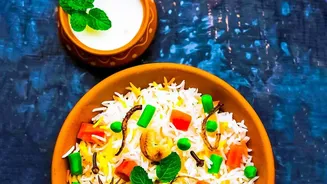
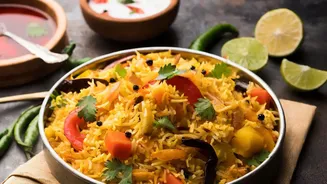
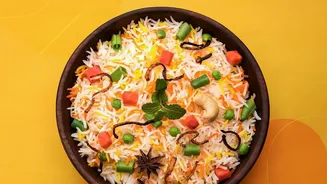
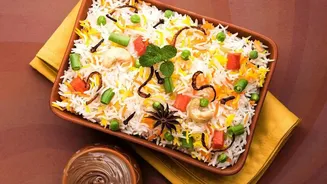
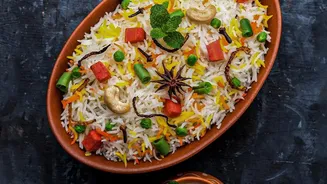
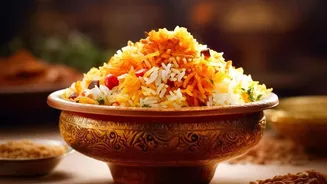
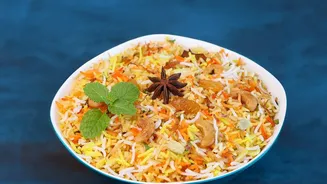
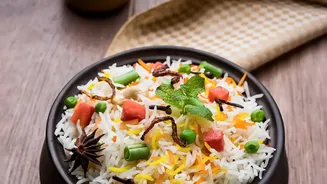
As the nights grow longer and the festive energy peaks, the food trail inevitably leads to biryani. The Kolkata-style biryani, with its subtle use of spices, fragrant long-grain rice, and the signature inclusion of a tender potato and a boiled egg alongside the meat, is a source of immense civic pride. During Pujo, the city's legendary biryani houses see queues stretching late into the night, as groups of friends and families gather for a celebratory meal after a long session of pandal hopping. While mutton and chicken biryani are the crowd favourites, the feasting doesn't end there. Many restaurants offer special Pujo menus featuring Bengali classics like Kosha Mangsho (slow-cooked spicy mutton curry) and Chingri Malai Curry (prawns in a creamy coconut sauce), providing a full-circle culinary experience that ties the entire festival together.