






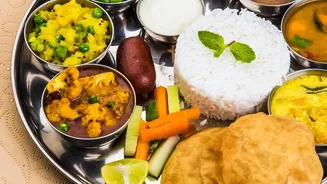
The Magic of Fermentation
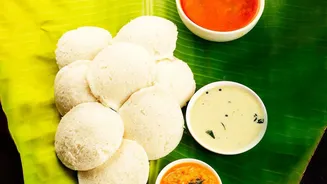
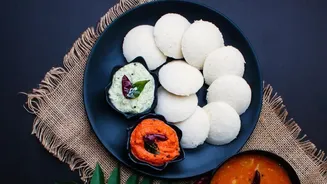
At the heart of many iconic Indian breakfasts lies the ancient science of fermentation. This process, where microorganisms like bacteria and yeast break down food components, is a cornerstone of dishes across the country. In South India, the beloved idli
and dosa are born from a batter of rice and lentils, left to ferment overnight. This natural leavening process not only creates the light, airy texture of an idli and the crispness of a dosa but also transforms the ingredients themselves. Fermentation pre-digests the starches and proteins, making these foods easier on the stomach and enhancing nutrient absorption. It increases the bioavailability of minerals like iron and zinc and can even enrich the food with B vitamins.
The Vibrancy of Freshness
A fermented dish rarely stands alone on the Indian breakfast plate. It is almost always paired with something vibrantly fresh. This is where the artistry of the meal truly shines. That fluffy idli is brought to life with a scoop of hot, vegetable-laden sambar and a side of freshly ground coconut chutney. The chutney, often made with coconut, green chillies, ginger, and herbs, provides a burst of flavour and a contrasting cool, raw element. These fresh accompaniments are not mere garnishes; they are integral components that balance the slightly sour, tangy notes of the fermented base. They provide essential vitamins, fibre, and a textural counterpoint that makes each bite a complete experience.
A Culinary Tour of India
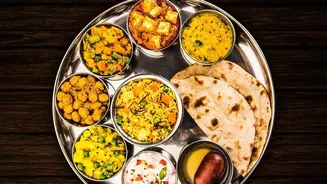
This fresh-and-fermented philosophy is not limited to the South. In Gujarat, the fluffy, steamed dhokla is made from a fermented batter of rice and chickpeas, served with a zesty green chutney made from fresh coriander and mint. In the East, dishes like the Odia Pakhala, which involves fermented rice soaked in water, are served with an array of fresh sides like fried vegetables, fish, or greens. Even in the North, where freshly made flatbreads like parathas are more common, the pairing principle endures. A hot aloo paratha is often served with a generous bowl of dahi (yogurt), a fermented dairy staple teeming with probiotics. This combination of a freshly cooked carb with a cooling, fermented element serves the same purpose of balancing the meal.
The Wisdom of Balance
This culinary tradition is rooted in ancient wisdom about digestive health. The fermented components introduce beneficial bacteria, or probiotics, into the gut, which can aid digestion and support a healthy microbiome. The fresh components, rich in fibre and nutrients, complement this by providing nourishment for both our bodies and the gut bacteria. The pairing creates a symbiotic meal that is not only delicious but also inherently balanced and nourishing. This approach enhances flavour, improves digestibility, and boosts the nutritional profile of the meal, making a traditional Indian breakfast a masterclass in intuitive eating. It is a testament to how generations have perfected the art of creating food that is both satisfying to the palate and beneficial for well-being.