



How We Forgot Our Food
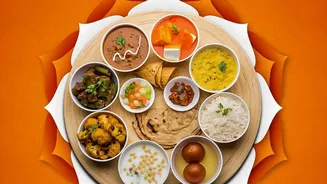
For decades, the Indian plate became steadily less diverse. The Green Revolution in the mid-20th century, while crucial for food security, heavily prioritized high-yield varieties of wheat and rice. This agricultural shift had a profound cultural impact.
Government subsidies and market forces made these two grains ubiquitous, pushing ancient staples like millets, sorghum, and native rice varieties to the margins. Over time, these ingredients became associated with rural or 'poor man's food,' fading from urban kitchens and collective memory. Convenience also played a role; modern, processed foods offered speed, and generations grew up without the traditional knowledge of how to cook with these once-common grains and vegetables.
The Great Millet Revival
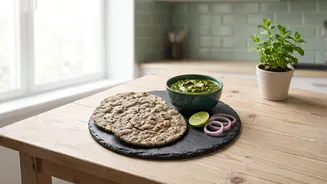
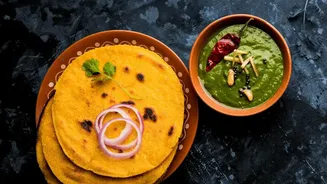
The most prominent hero of this comeback story is the humble millet. Grains like ragi (finger millet), bajra (pearl millet), and jowar (sorghum) were dietary cornerstones for millennia. Today, they are being celebrated for reasons our ancestors understood intuitively: they are incredibly nutritious and resilient. Recognised for their high calcium, fibre, and protein content, millets are also naturally climate-smart. They require less water, are pest-resistant, and can grow in arid conditions where wheat and rice struggle. This revival has been championed by a massive government push, including the UN-backed 'International Year of Millets' in 2023, which thrust these 'super grains' back into the mainstream conversation.
Beyond the Grains
The rediscovery extends far beyond millets. Heirloom rice varieties, each with a unique flavour, texture, and story, are finding their way back to the market. Grains like the nutty-flavoured Karuppu Kavuni from Tamil Nadu or West Bengal's aromatic Gobindobhog offer a sensory experience that commodity rice cannot match. Chefs and home cooks are also exploring a treasure trove of forgotten vegetables and foraged ingredients. Local greens, wild mushrooms, and unique regional produce like the Gondhoraj Lebu of Bengal or wild garlic from Ladakh are adding new dimensions to modern Indian cuisine. This movement values seasonality and biodiversity, challenging the year-round monotony of the modern supermarket.
Chefs Championing Heritage
India's top chefs have become powerful ambassadors for this culinary renaissance. They are moving beyond the standard North Indian fare that long dominated the restaurant scene and are digging deep into regional and hyper-local traditions. Chefs like Manish Mehrotra of Indian Accent and Vanika Choudhary of Noon are building menus around indigenous ingredients, reinterpreting classic dishes with modern techniques. They are foraging for wild ingredients and working directly with farmers to revive native crops, demonstrating that heritage foods can be both sophisticated and exciting. By placing a humble millet or a rare local green on a fine-dining plate, they are not just creating a dish; they are making a powerful statement about cultural identity and culinary value.
A Taste of the Future
This return to our roots is more than just a passing trend. It's a response to some of the most pressing issues of our time. It's about seeking healthier, more balanced diets in an age of lifestyle diseases. It’s about building a more sustainable and climate-resilient food system. And perhaps most importantly, it’s about a collective desire to reconnect with a sense of authenticity. By embracing the foods we once took for granted, we are not just looking backward; we are rediscovering a richer, more diverse, and more sustainable way to eat.