



Why Heat Unlocks Flavour
Simply tossing whole spices into a simmering curry is a missed opportunity. The real magic happens when you apply heat directly. Spices contain volatile essential oils, which hold all their distinctive aroma and taste. When heated, the structure of the spice opens
up, releasing these aromatic compounds. This process doesn't just make them smell stronger; it can create entirely new, nuttier, and more complex flavour profiles. Think of it as waking the spices up from their slumber, preparing them to infuse your entire dish with a depth that raw spices alone cannot achieve. This is the foundational principle behind many signature tastes in Indian cooking.
Method 1: Dry Roasting for Nutty Depth
Dry roasting, or toasting, involves heating whole spices in a dry pan without any oil. This technique is perfect for hard, seed-based spices like cumin (jeera), coriander (dhania), and fennel (saunf) before you grind them for a spice blend or a garnish. The dry heat draws out moisture, makes the spices crispier for easier grinding, and develops a warm, toasted character.
To do it, simply heat a heavy-bottomed pan over medium heat. Add your whole spices and stir or toss them constantly to ensure they heat evenly. Within a minute or two, you'll notice a powerful, fragrant aroma and a slight darkening in colour—that's your cue they're done. Immediately transfer them to a cool plate to stop the cooking process, as they can burn quickly and turn bitter. Once cooled, you can grind them into a powder that is significantly more potent and complex than any pre-ground version.
Method 2: Tempering in Fat (The Mighty Tadka)
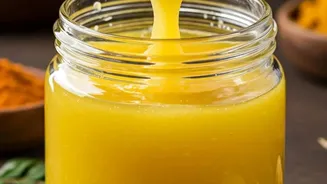
Tempering—known as tadka, chaunk, or baghar—is the art of blooming spices in hot fat like ghee or oil. This is the technique behind the signature sizzle that perfumes an Indian kitchen. Unlike dry roasting, the goal here is to infuse the fat itself with flavour. Because many of the flavour compounds in spices are fat-soluble, this hot oil becomes a super-charged delivery system, carrying the essence of the spices throughout the entire dish.
This method is typically done either at the beginning of cooking to create a flavour base or as a final flourish poured over a finished dal, sabzi, or raita. Common spices for tadka include mustard seeds, cumin seeds, dried red chillies, and fresh curry leaves. The key is to add spices to hot, shimmering oil and let them crackle and pop for just a few seconds until fragrant before pouring the mixture into your dish.
Timing Is Everything
With both techniques, timing is the most critical factor. The line between perfectly toasted and acridly burnt is incredibly fine. Pay attention with your senses, not just a timer. A stronger aroma is the first sign you're on the right track. For dry roasting, look for a subtle colour change. For a tadka, listen for the sizzle and pop of mustard or cumin seeds.
Furthermore, different spices cook at different rates. If you're tempering multiple spices, add the ones that take longer—like mustard seeds or chana dal—first. Wait for them to pop or change colour before adding quicker-cooking ingredients like cumin seeds, and finally, delicate items like asafoetida (hing) or ground spices, which can burn in seconds. Mastering this sequence ensures every element in your tadka is perfectly cooked.