




Why Fresh Besan is Better
The difference between store-bought besan and a homemade batch is immediately noticeable in its aroma and taste. Commercial flours can sit on shelves for months, causing their natural oils to degrade and flavour to fade. When you grind your own, you retain
the delicate, nutty essence of the chickpeas. Furthermore, homemade flour is free from preservatives or anti-caking agents. You control the entire process, ensuring a pure, unadulterated product. This freshness is especially crucial in recipes where besan is the star, like in sweets or simple pancakes.
The Key Ingredient: Chana Dal
Authentic besan is made not from the large white chickpeas (kabuli chana) used for hummus, but from chana dal. Chana dal is created by splitting a smaller, dark-skinned variety of chickpea (kala chana or Bengal gram) and removing the hull. This results in a flour that is finer, denser, and has a richer, earthier taste compared to flour made from whole garbanzo beans. While you can make flour from white chickpeas, for the traditional flavour and texture found in Indian cuisine, chana dal is the ingredient of choice.
How to Make Besan at Home
Making your own gram flour requires just one ingredient and a powerful blender or grinder. Start with completely dry chana dal. If you suspect any moisture, you can lightly dry-roast the dal in a pan for 3-5 minutes until it's just warmed through and fragrant, then let it cool completely. This step also enhances its nutty flavour. Once cooled, place the dal in your grinder and process it for a minute or two until it becomes a fine powder. Work in batches if needed to avoid overheating your machine. For an extra-smooth, silky texture, pass the ground flour through a fine-mesh sieve to remove any larger, gritty pieces. These can be re-ground and siev ed again.
Classic Savoury Delights
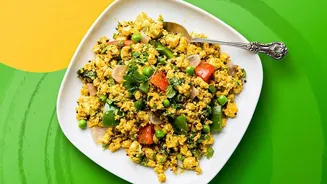
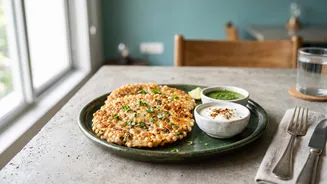
Freshly milled besan shines in savoury dishes. For a quick, protein-packed breakfast, whisk it with water, spices, and chopped vegetables to make Besan Chilla, a savoury pancake. Its superior binding quality makes it perfect for creating crispy Pakoras or Bhajjis. Another beloved classic is Kadhi, a tangy, comforting curry made by whisking besan into yoghurt to create a thick, smooth gravy that's simmered gently with spices. The fresh flour dissolves more easily, resulting in a lump-free, velvety curry.
Irresistible Homemade Sweets
The nutty depth of homemade besan is a game-changer for Indian desserts. Besan Ladoo, a popular festive sweet, is made by slowly roasting gram flour in ghee until it turns golden brown and aromatic before being mixed with sugar and shaped into balls. The freshness of the flour is paramount here. Another melt-in-your-mouth treat is Mysore Pak, where besan, ghee, and sugar are slow-cooked to a rich, fudgy consistency. Even a simple Besan Halwa, a warm pudding, is transformed by the superior aroma of freshly ground flour.
Storing Your Homemade Flour
Because it contains natural oils from the chickpeas, homemade besan has a shorter shelf life than its commercial counterparts. To maintain its freshness, store it in a clean, airtight container, preferably glass, to keep out moisture and pests. It will last for about a month or two in a cool, dark pantry. For longer storage, you can keep it in the refrigerator for up to six months or in the freezer for up to a year, which is the best way to prevent the oils from turning rancid.