







The Foundation: Total Daily Intake
Before we talk timing, the most important factor is what you eat over the entire day. To build muscle, you need to consume enough calories and, crucially, enough protein. For active individuals engaged in strength training, studies suggest an intake of
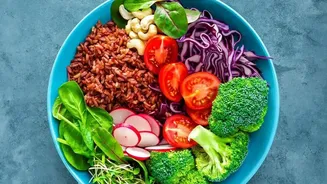
around 1.6 to 2.2 grams of protein per kilogram of body weight per day is effective for muscle gain. Without this solid foundation, even the most perfectly timed meal plan will fall short. Your body needs these building blocks to repair the muscle tissue broken down during exercise. Spreading this protein intake across several meals throughout the day is generally more effective than consuming it in one or two large sittings.
The Pre-Workout Fuel-Up
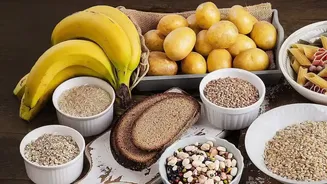
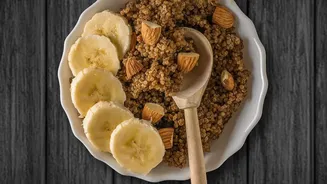
Eating before you train is all about providing your body with the energy it needs to perform at its peak. The ideal pre-workout meal is rich in carbohydrates, which are your muscles' primary fuel source. Consuming carbs before exercise ensures your muscle glycogen stores are full, helping you lift heavier and complete more reps before fatigue sets in. Aim to eat a balanced meal containing complex carbohydrates and a moderate amount of protein about two to three hours before your session. Good examples include chicken and rice, or eggs and toast. If you're short on time, a smaller, easily digestible snack like a banana or a handful of crackers 30 to 60 minutes beforehand can provide a quick energy boost.
The Post-Workout Recovery Window
After a workout, your priorities shift to repair and replenishment. This is where the famous "anabolic window" comes in—the period after exercise when your body is primed to absorb nutrients. While the window isn't as short as the 30-minute period once believed, it's still beneficial to eat within one to two hours of finishing your workout. This post-workout meal should include a combination of high-quality protein and carbohydrates. Protein provides the amino acids needed to repair and build muscle, while carbohydrates replenish the glycogen stores you just used up. A meal with 20-40 grams of protein is a common recommendation. Simple, effective options include a protein shake with a banana, grilled chicken with sweet potatoes, or a bowl of Greek yogurt with berries.
Putting It All Together: Sample Schedules
How this looks in practice depends on when you train. If you're a morning lifter, you might have a small snack like a banana beforehand, followed by a larger breakfast with protein and carbs (like eggs and oatmeal) an hour or two later. Your lunch and dinner would then be balanced meals to hit your total daily protein goal. If you train in the evening, you would have your regular breakfast and lunch, followed by a pre-workout meal or snack in the late afternoon (around 3-4 PM). Your dinner, consumed after your workout, would then serve as your recovery meal, focusing on replenishing protein and carbs before bed. Dairy products like milk and yogurt can be particularly effective for recovery due to their mix of whey and casein proteins.
Don't Forget Hydration and Fats
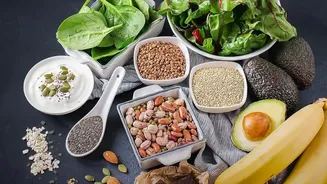
While protein and carbs often get the spotlight, hydration and healthy fats are also vital. Dehydration can significantly impair performance and recovery. Make sure you're drinking water consistently throughout the day, not just during your workout. After training, you also need to replenish any fluids and electrolytes lost through sweat. Healthy fats, found in foods like avocados, nuts, and fish, are important for overall health and can serve as a secondary energy source. While you should avoid large amounts of fat immediately before a workout as they slow digestion, they are an essential part of a balanced diet that supports your training goals.