




An Iconic Product Under Scrutiny
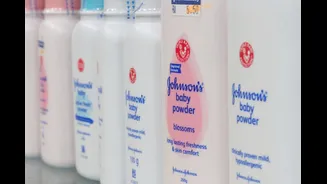
Since 1894, Johnson's Baby Powder, made from the soft mineral talc, was a symbol of gentle care, found in bathrooms worldwide. Its ability to absorb moisture and prevent rashes made it a trusted product for generations. However, this trusted image began
to crack as lawsuits emerged alleging a devastating link between the powder and serious health issues, including ovarian cancer and mesothelioma. The core of the allegations wasn't about talc itself, but about what it could be contaminated with: asbestos, a known carcinogen.
The Central Allegation: Asbestos Contamination
Talc and asbestos are minerals that can be found close to each other in the earth, leading to the risk of cross-contamination during the mining process. The lawsuits against Johnson & Johnson hinged on the claim that the company's talc-based powders were contaminated with asbestos and that the company was aware of this risk for decades. Investigations by news outlets like Reuters unearthed internal company documents suggesting that from as early as the 1970s, J&J knew its talc sometimes tested positive for small amounts of asbestos but did not disclose this to the public or regulators. A 2019 recall was initiated after the U.S. Food and Drug Administration (FDA) found asbestos in a bottle purchased online, a claim the company later disputed after its own testing.
A Mountain of Lawsuits and Financial Pressure
The allegations snowballed into a legal firestorm. By 2026, the company faced over 90,000 lawsuits from consumers who claimed the product caused their cancer. Juries awarded billions of dollars in damages in several high-profile cases, putting immense financial and reputational pressure on the company. Faced with mounting legal costs, J&J attempted a controversial legal strategy known as the "Texas two-step," creating a subsidiary to hold the talc liabilities and then placing it into bankruptcy. However, courts repeatedly rejected this maneuver. The relentless litigation eventually led to several proposed settlements, including a $5.5 billion plan in July 2026 to resolve the majority of the ovarian cancer claims.
The Company's Stance and the Scientific Debate
Throughout the entire ordeal, Johnson & Johnson has consistently maintained that its talc-based baby powder is safe, does not contain asbestos, and does not cause cancer. The company has stood by what it describes as decades of independent scientific analysis confirming the product's safety. The broader scientific community has had mixed findings on the link between genital talc use and ovarian cancer, with some studies suggesting a small increased risk and others finding no significant association. However, the legal battle largely focused on the more definitive claims of asbestos contamination, which is universally accepted as a cause of cancer like mesothelioma.
The Final Commercial Decision
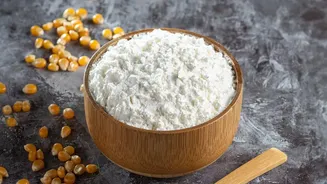
In May 2020, citing declining sales fueled by what it called "misinformation" about the product's safety, Johnson & Johnson announced it would stop selling its talc-based powder in the U.S. and Canada. Then, in August 2022, the company announced it would discontinue the product globally and transition to an all-cornstarch portfolio by 2023. J&J officially termed this move a "commercial decision" driven by a worldwide portfolio assessment and evolving global trends. The cornstarch-based version, which the company first introduced in 1980, was already available in many countries and offered a clear path away from the legal and public relations crisis.