



Beyond Green: The Responsible Tourism Mission
Kerala’s approach to sustainability goes far beyond simple eco-friendly practices. It's built on the foundation of the Responsible Tourism (RT) Mission, a government initiative established in 2017 to ensure that tourism benefits local communities while
preserving the environment and culture. The mission operates on a 'triple-bottom-line' philosophy, focusing on economic, social, and environmental responsibility. The goal is to make tourism more inclusive, moving away from a top-down model to one where local residents are active participants and primary beneficiaries. This model addresses issues like economic imbalance, environmental pressure from high visitor numbers, and the potential for cultural commercialization.
Putting People First: Community Empowerment
At the heart of Kerala's strategy is direct community involvement. The RT Mission has successfully linked tourism activities with local economies. This is visible in the promotion of village life experiences, homestays, and sourcing local produce for hotels and resorts. Initiatives like the STREET (Sustainable, Tangible, Responsible, Experiential, Ethnic Tourism) project in places such as Kadalundi transform entire villages into sustainable tourism destinations. This ensures that tourism revenue flows directly to local families, artisans, and farmers, creating authentic experiences for travellers and tangible economic benefits for the community. A significant part of this effort focuses on gender equality, with a landmark partnership with UN Women to empower women as entrepreneurs and guides, making tourism safer and more inclusive. Reports indicate that 80% of the state's Responsible Tourism units are led by women.
Global Recognition and Success Stories
The success of this model isn't just anecdotal. Kerala has received numerous national and international awards for its efforts. Villages like Aymanam, the setting of Arundhati Roy's novel 'The God of Small Things', have gained global fame after being developed as model RT villages. The state has won the Global Responsible Tourism Award on multiple occasions, celebrating its initiatives in water conservation and for promoting local sourcing of food and crafts. Recently, the Beypore project in Kozhikode secured an ICRT Gold Award for its comprehensive approach to responsible tourism, marking the third consecutive year Kerala has won this honour. These accolades highlight the state's role as a replicable model for sustainable development not just in India, but worldwide.
The Road Ahead: Challenges and Future Focus
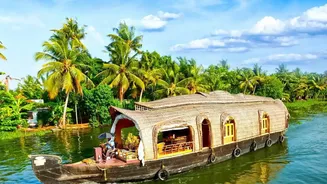
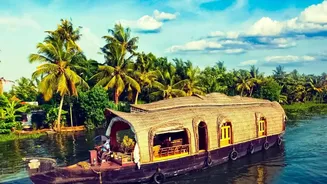
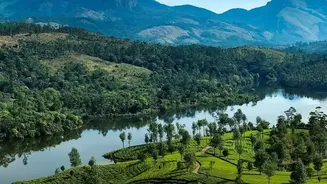
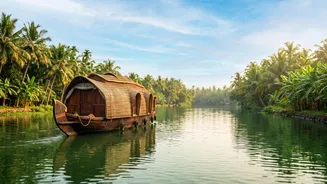
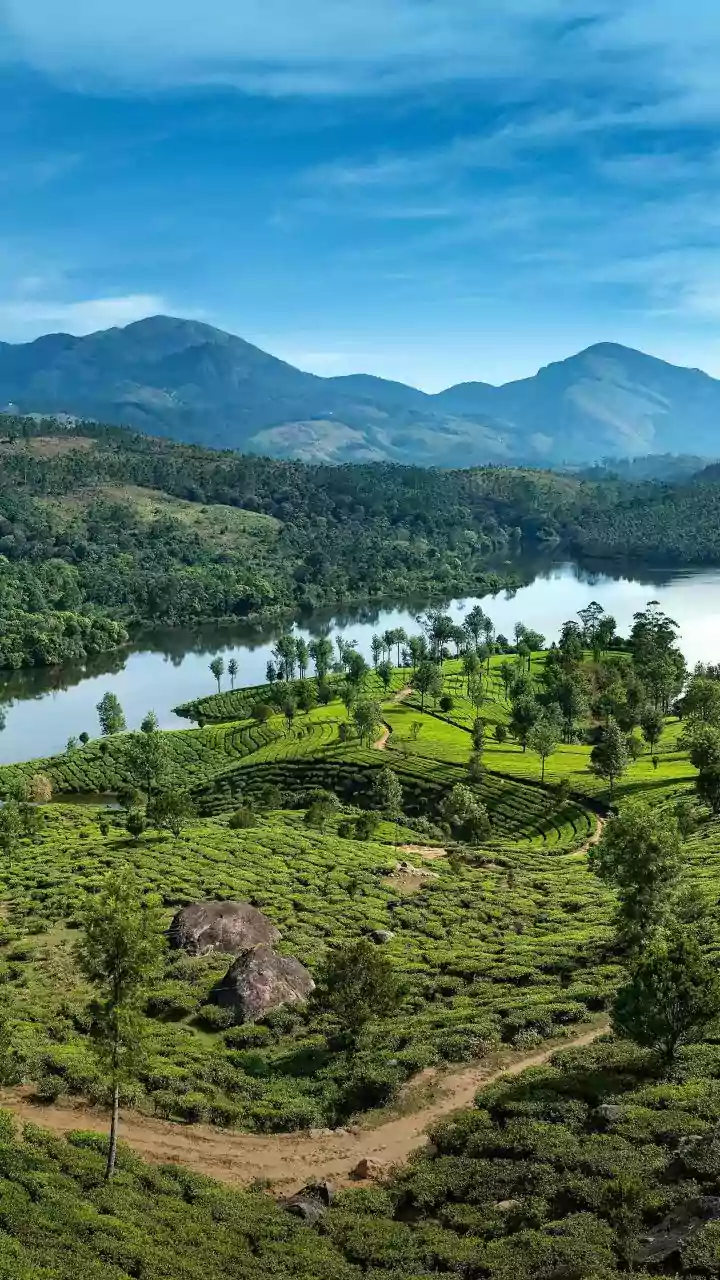
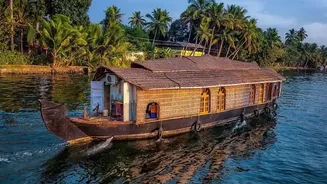
Despite its many successes, Kerala's sustainable tourism model faces ongoing challenges. Over-tourism in popular destinations like Munnar and Alleppey puts a strain on local infrastructure and delicate ecosystems. Pollution in the backwaters, partly from an increasing number of houseboats, remains a significant concern, affecting both the environment and the livelihoods of local communities who depend on the water. There are also challenges related to waste management, the commercialization of cultural experiences, and ensuring that income from tourism is stable throughout the year. The path forward involves strengthening sustainability policies, expanding regenerative practices, and continuing to focus on distributing tourism's benefits beyond the most popular hubs. The state’s commitment to these principles suggests a continued evolution toward a truly balanced and resilient tourism economy.