







What Is African Neroli Oil?
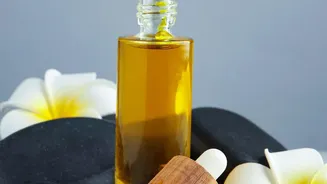
Neroli oil is an essential oil steam-distilled from the fragrant white blossoms of the bitter orange tree, scientifically known as Citrus aurantium var. amara. The 'African' designation simply refers to the geographical origin. Major producers of neroli
oil include North African countries like Tunisia, Morocco, and Egypt. These regions have a long history of cultivating bitter orange trees. While the fundamental properties of the oil remain the same, the specific soil and climate can influence its exact chemical composition and aroma, with some describing Egyptian neroli as sharper and greener, while Moroccan varieties are noted for warmer, sweeter notes. The process is labour-intensive, requiring about 1,000 pounds of hand-picked blossoms to produce just one pound of oil, which contributes to its precious reputation and higher price point.
The Potential Skincare Benefits
Neroli oil is a multi-tasking powerhouse for the skin, backed by a range of beneficial properties. It has been shown to have antimicrobial, antifungal, and antioxidant qualities. This makes it a helpful ingredient for managing acne breakouts and soothing general skin irritation. Its antioxidant compounds help protect the skin from damage caused by environmental free radicals, which can lead to premature ageing. Furthermore, neroli oil is celebrated for its ability to help regenerate skin cells, which can improve skin elasticity and aid in reducing the appearance of fine lines, scars, and stretch marks.
Is It Good for Your Skin Type?
One of neroli oil's key strengths is its versatility across different skin types. For those with oily or combination skin, its natural astringent properties can help balance sebum production and refine the look of pores without over-drying. For dry or mature skin, it acts as a humectant to help lock in moisture and can improve the appearance of wrinkles and dullness by promoting cell turnover. Its anti-inflammatory nature also makes it soothing for irritated or sensitive skin, helping to reduce redness and calm flare-ups. While generally considered gentle, those with very sensitive skin or citrus allergies should exercise caution.
How to Use It in Your Routine
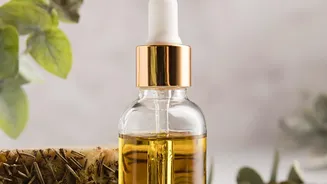
As with any potent essential oil, neroli should never be applied directly to the skin. It must be diluted to avoid irritation. A common recommendation is to add one or two drops to a teaspoon of a carrier oil like jojoba, sweet almond, or even marula oil. This blend can then be used as a facial oil or massaged into the skin. Alternatively, you can add a drop to your favourite unscented moisturiser or cleanser before application. Many people also seek out pre-formulated products like serums, creams, and cleansers that already contain neroli oil in a safe and effective concentration. Regardless of how you use it, performing a patch test on a small area of skin first is a crucial step to check for sensitivity.
What to Watch Out For
While neroli oil offers many benefits, there are important safety considerations. The biggest question with citrus oils is often phototoxicity—a reaction when the oil on your skin is exposed to UV light. The good news is that because neroli oil is steam-distilled from the blossoms, not cold-pressed from the peel, it is generally considered non-phototoxic. However, it is still an essential oil and can cause sensitivity in some individuals. Overuse may lead to headaches or nausea in some people due to its potent aroma and sedative qualities. Always ensure you are buying from a reputable source that guarantees 100% pure neroli oil, as its high cost means it is sometimes sold in undisclosed blends.