






The Low-Calorie Champions
First, let's address the headlining feature: both zucchini and mushrooms are exceptionally low in calories, making them allies for weight management. A medium zucchini contains around 33 calories, while a cup of sliced mushrooms has even fewer, at about
15-22 calories. Their high water and fibre content help you feel full and satisfied. Zucchini is roughly 94% water, which contributes to hydration and satiety. While both are great choices, mushrooms are slightly lower in carbohydrates, making them a particularly good fit for low-carb diets. But their value extends far beyond the calorie count.
Zucchini: The Vitamin C and Antioxidant Powerhouse
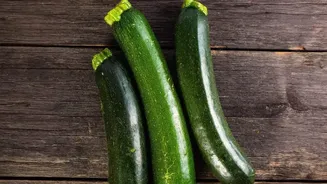
Zucchini truly shines when it comes to its vitamin and antioxidant content. It is a fantastic source of Vitamin C, a crucial nutrient for a healthy immune system and skin health. Vitamin C is essential for producing collagen, which helps maintain your skin's structure, and it aids in cell repair. A single cup of zucchini can provide a significant portion of your daily vitamin C needs. Furthermore, zucchini is packed with carotenoids like lutein and zeaxanthin, antioxidants that are particularly beneficial for eye health, potentially reducing the risk of age-related vision problems. The skin of the zucchini is where many of these antioxidants are concentrated, so it's best to leave it on when cooking.
Mushrooms: The Unsung Source of B Vitamins and Selenium
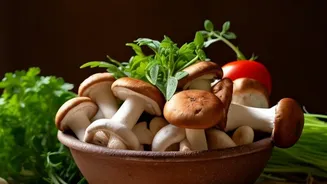
Mushrooms, on the other hand, are nutritional powerhouses in their own right, especially concerning B vitamins. They are a good source of riboflavin (B2), niacin (B3), and pantothenic acid (B5), all of which are vital for converting food into energy and supporting the nervous system. Mushrooms are also one of the best dietary sources of selenium, a powerful antioxidant that helps protect cells from damage and supports immune function. Some varieties, like cremini and portabella, are particularly high in this mineral. This makes mushrooms a key player in supporting overall cellular health and immunity.
A Tale of Two Minerals: Potassium vs. Copper
When it comes to minerals, both vegetables bring something important to the table. Both are good sources of potassium, a mineral that is crucial for maintaining fluid balance, nerve function, and healthy blood pressure levels. Ounce for ounce, mushrooms often have a slight edge in potassium content. However, mushrooms also deliver a notable amount of copper, a mineral that is essential for helping the body form red blood cells and maintaining healthy bones and nerves. Zucchini provides some manganese and magnesium, which are important for bone health.
Unique Health Perks: Vitamin D and Gut Health
Mushrooms possess a unique trait not commonly found in the produce aisle: they can be a source of Vitamin D. When exposed to UV light, mushrooms can naturally produce this vital nutrient, which is essential for bone health and immune function. This makes them a rare plant-based source of the "sunshine vitamin." Additionally, mushrooms contain specific fibres, like polysaccharides, that act as prebiotics. These compounds feed the good bacteria in your gut, promoting a healthy digestive system. Zucchini also contributes to gut health with its own fibre content, which helps prevent constipation and maintain a healthy microbiome.
Making Them Shine in Your Kitchen
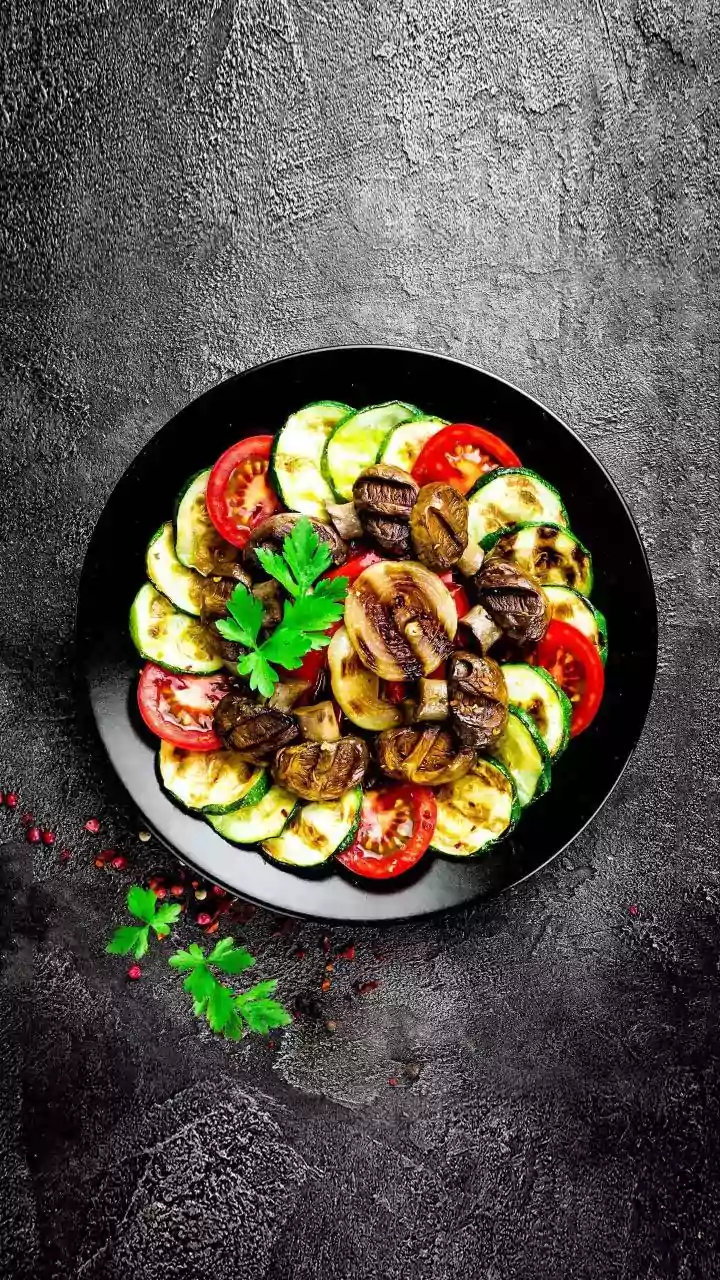
The best part about both zucchini and mushrooms is their incredible versatility. Zucchini’s mild flavour makes it a perfect addition to stir-fries, gratins, and baked goods. It can be grilled, roasted, or spiralized into “zoodles” as a low-carb pasta substitute. Remember to eat the skin to get the maximum antioxidant benefits. Mushrooms offer a savoury, umami flavour and a meaty texture, making them an excellent substitute for meat in many dishes. They are delicious sautéed with garlic, roasted until golden, or added to soups, stews, and pasta sauces. The way you prepare them matters; light cooking methods like sautéing or roasting are best to preserve their nutrients without adding excessive fats.