


The Myth of the Six-Pack
When people think of core training, they often picture the rectus abdominis—the prominent muscle that creates the 'six-pack' look. Crunches and sit-ups are excellent at targeting this specific muscle through spinal flexion, which is the motion of curling
your torso forward. The problem is that this single movement represents only a fraction of what your core is designed to do. An impressive-looking set of abs doesn't always equal a strong, stable, and functional core. In fact, over-reliance on crunches can reinforce poor posture and place unnecessary stress on your lower back.
So, What Is Your Core, Really?
It's helpful to think of your core not as a sheet of muscle on your stomach, but as a 3D canister that wraps around your entire trunk. This system includes the pelvic floor muscles at the bottom, the diaphragm (your primary breathing muscle) at the top, and a deep web of muscles that encircle your midsection. Key players that crunches often miss include the transverse abdominis, which acts like a natural corset to stabilize your spine, the obliques for twisting and side-bending, and the muscles in your lower back and hips that connect your upper and lower body. Together, these muscles work to create stability, control movement, and transfer power safely.
How a Strong Core Powers Daily Life
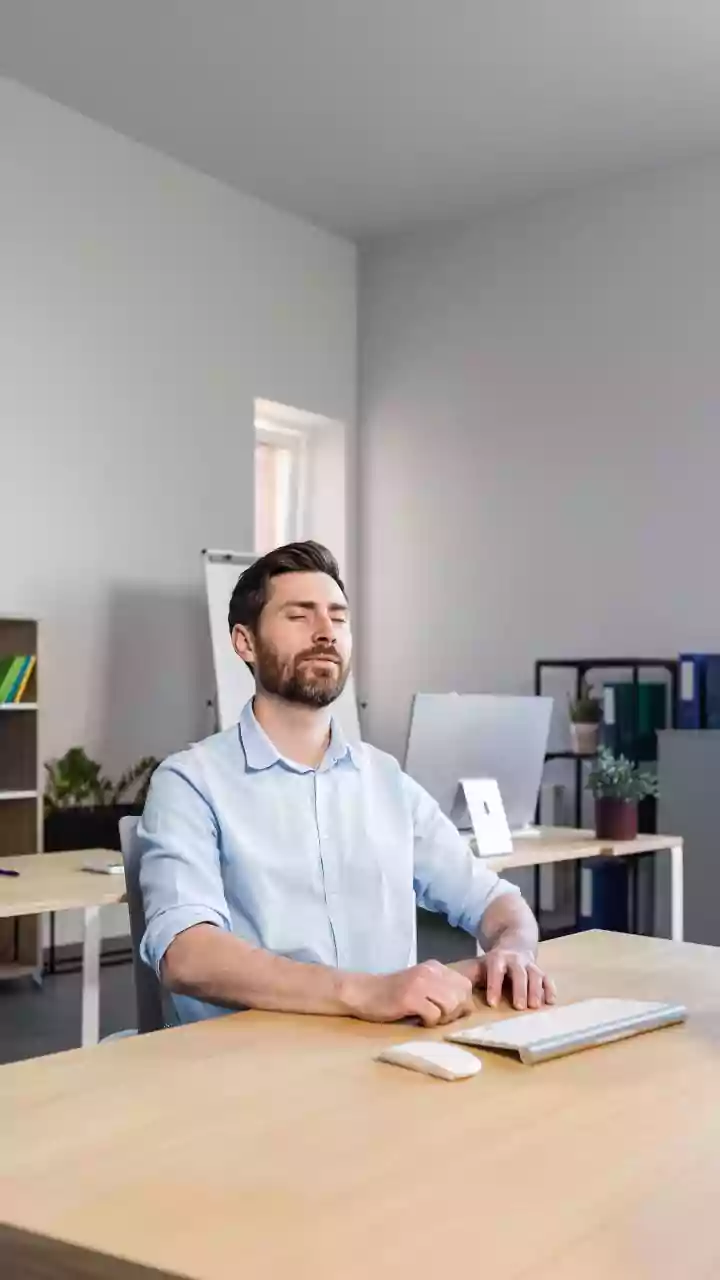
Functional core strength makes everyday tasks easier, safer, and more efficient. Every time you lift a heavy grocery bag from the car, your core muscles brace to protect your spine. When you twist to grab something from the back seat or play with your children in the park, your core manages rotational forces to prevent injury. Even sitting at a desk with good posture requires endurance from your core stabilisers. A weak or uncoordinated core can lead to poor posture, lower back pain, and a higher risk of muscle injuries because other parts of your body are forced to compensate.
Beyond the Crunch: Exercises for Real-World Strength
To build a truly functional core, your training should involve resisting movement, not just creating it. Incorporating exercises that challenge your stability in multiple directions is key. Here are a few highly effective alternatives to crunches: Bird-Dog: Starting on your hands and knees, extend one arm straight forward and the opposite leg straight back, keeping your torso perfectly still. This move, also called the quadruped, teaches your core to resist rotation and extension. Side Plank: Supporting yourself on one forearm and the side of your foot, hold your body in a straight line. This strengthens the lateral muscles, like the obliques and quadratus lumborum, which are crucial for stability when carrying things on one side. Farmer's Carry: Simply hold a weight (like a dumbbell or kettlebell) in one hand and walk, focusing on staying perfectly upright without leaning. This exercise directly translates to tasks like carrying a heavy suitcase or shopping bags. Dead Bug: Lying on your back with your arms extended up and knees bent at 90 degrees, slowly lower one opposite arm and leg toward the floor while keeping your lower back flat. This builds deep core control and coordination.
Putting It All Together
You don't need to abandon crunches entirely, but they should be just one small component of a well-rounded routine. Aim to incorporate functional core exercises two to four times a week. Focus on slow, controlled movements and perfect form rather than speed or a high number of repetitions. For exercises like planks and carries, start with shorter durations, such as 30 seconds, and gradually increase the time as you get stronger. The goal is to teach your core muscles to work together as an integrated system, providing the support and stability you need for everything you do outside the gym.