




Mistake 1: Overstocking on Produce
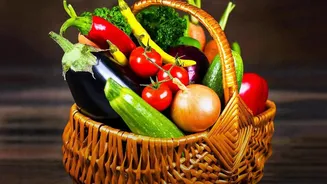
While buying vegetables in bulk for the week seems efficient, it's a significant error during the monsoon. The season's high humidity and ambient moisture create the perfect breeding ground for mould, fungi, and bacteria. Produce that might last a week in dry
weather can start to wilt, rot, or grow mould within just a couple of days. Leafy greens will turn slimy, and even hardier vegetables like carrots and brinjals can spoil quickly. Instead of a big weekly shop, adapt your routine to the season. Plan for more frequent, smaller trips to the market every two to three days. This ensures that the vegetables you bring home are as fresh as possible and are consumed long before the dampness can take its toll. This approach not only reduces food waste but also guarantees healthier and tastier meals.
Mistake 2: Ignoring Telltale Signs of Moisture
That fresh-looking sheen on vegetables might not be a sign of freshness during the monsoon; it could be excess moisture. Vegetables that are visibly wet, or 'sweating', have likely been exposed to rain or are already beginning to break down due to high humidity. This excess water provides an ideal environment for microbial growth, which can lead to stomach infections. Pay close attention to cruciferous vegetables like cauliflower and broccoli, as their tightly packed florets can trap a surprising amount of moisture, dirt, and even small insects. Similarly, the layered leaves of cabbage can hide dampness and decay. Always choose produce that feels dry, firm, and cool to the touch. If you have to buy something that seems slightly damp, make sure you plan to cook it the very same day.
Mistake 3: Choosing the Wrong Kinds of Vegetables
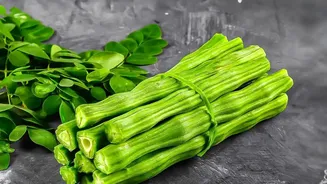
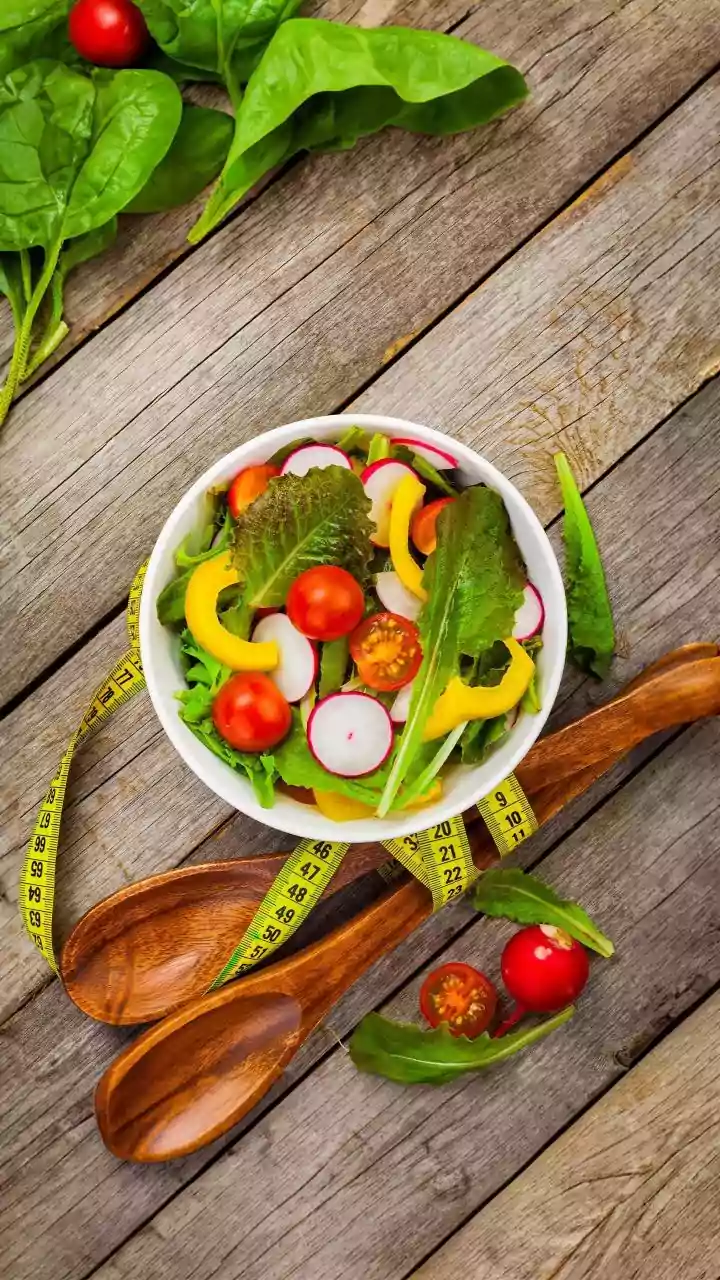
Not all vegetables handle the monsoon equally well. Leafy greens like spinach (palak), fenugreek (methi), and lettuce are particularly risky during this season. Growing close to the ground, their leaves can be easily contaminated by muddy, bacteria-laden rainwater. The damp, overlapping leaves also become a perfect hiding spot for germs and pests that are hard to wash away completely. While you don't have to give them up entirely, you must be extra vigilant. If you do buy them, they require thorough cleaning and should be cooked properly, never eaten raw. For a safer bet, lean towards monsoon-friendly vegetables like gourds (bottle gourd, bitter gourd, ridge gourd), which grow on vines away from the contaminated soil and have a natural resistance to the damp conditions.
Mistake 4: Falling for the Convenience of Pre-Cuts
Pre-cut and peeled vegetables are a tempting time-saver, but they are a poor choice during the rainy season. Every cut exposes more surface area of the vegetable to the air. In the monsoon's humid environment, this dramatically accelerates the rate of bacterial growth and oxidation, causing the produce to spoil much faster. A packet of pre-cut vegetables that has been sitting on a shelf, even a refrigerated one, is a potential health hazard. The risk of contamination is simply too high. It is always safer to buy whole vegetables. The few extra minutes spent washing and chopping them at home just before cooking is a small price to pay to ensure your food is fresh, nutritious, and free from harmful bacteria that thrive in the monsoon dampness.
Mistake 5: Storing Your Shopping Incorrectly
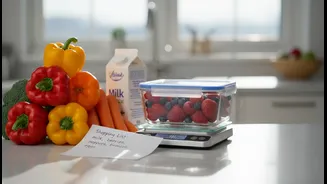
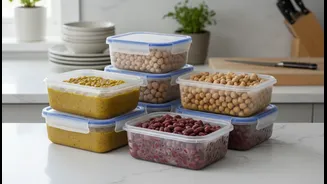
Perhaps the biggest mistake is how vegetables are handled after you bring them home. Tossing a bag of damp produce directly into the refrigerator is a recipe for disaster. The moisture trapped inside the bag will cause everything to rot quickly. The correct method requires a few simple steps. First, wash your vegetables thoroughly. Some experts recommend a soak in salt water or a diluted vinegar solution to help remove microbes. The most crucial step is next: pat everything completely dry with a clean cloth or paper towels. For leafy greens, consider wrapping them in paper towels before placing them in a bag to absorb any residual moisture. Store different types of vegetables separately and ensure your refrigerator is clean and not over-packed, allowing cool, dry air to circulate. Proper storage can extend the life of your vegetables by days.