




Meet the Mighty Moth Bean
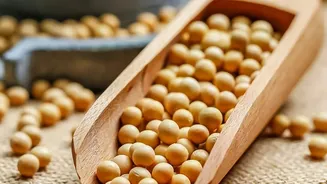
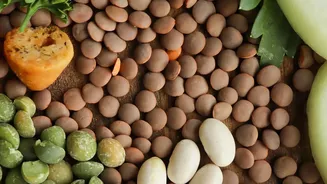
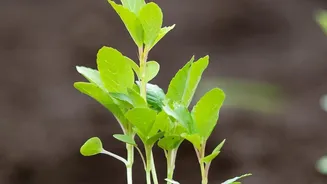
Known to many in India as matki, the moth bean (Vigna aconitifolia) is a small, hardy legume that has been cultivated for centuries, particularly in the arid and semi-arid regions of the subcontinent. Despite its long history, it has largely been overshadowed
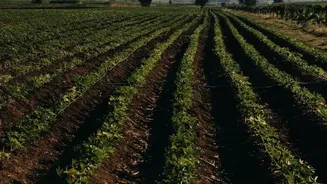
by more commercially dominant pulses. This creeping, herbaceous plant is a powerhouse of survival, uniquely adapted to hot, dry climates. Its deep taproot system allows it to draw moisture from lower soil layers, making it one of the most drought-resistant pulse crops in India. This resilience makes it not just a plant, but a lifeline for farmers in regions where rainfall is scarce and unpredictable.
A Nutritional Powerhouse
Don't let its small size fool you; the moth bean is packed with nutritional value. It is an excellent source of plant-based protein, with content ranging from 20% to 24%, making it a vital supplement to cereal-based diets. This protein is rich in essential amino acids like lysine, which are often lacking in grains. Beyond protein, moth beans are a treasure trove of essential minerals, including calcium, magnesium, iron, phosphorus, and potassium. This impressive profile makes matki an inexpensive and effective tool in addressing nutritional gaps and promoting overall health, especially for those in developing nations.
The Climate-Smart Crop
The moth bean's most compelling attribute may be its status as a climate-smart crop. It thrives in high temperatures, tolerating daytime heat up to 45°C, and can produce a yield with as little as 200-300 mm of rainfall. Its entire life cycle can be as short as 50 to 60 days, a crucial advantage in areas with brief and uncertain rainy seasons. Furthermore, as a legume, it fixes atmospheric nitrogen, naturally enriching the soil and reducing the need for chemical fertilisers. Its spreading canopy also helps prevent soil erosion and conserve moisture, making it an ideal crop for sustainable agriculture and improving soil health for future plantings.
From Traditional Dal to Modern Cuisine
In India, the moth bean is far from a novelty in the kitchen. It is traditionally consumed whole or split to make dal, a crispy snack called 'bhujia', or the famous Maharashtrian dish 'misal pav', a spicy curry made from sprouted matki. The seeds can be ground into flour and mixed with others to prepare dishes like dosa and idli. Sprouted moth beans are particularly popular, as sprouting enhances their nutritional profile and digestibility. They have a delicate, nutty flavour that works well in salads, stir-fries, and stews, offering a versatile ingredient that can be easily incorporated into both traditional and contemporary cooking.
Why It's Time for a Comeback
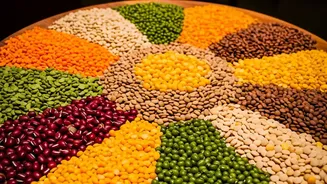
Given its benefits, why has the moth bean remained overlooked? The global focus on a few major staple crops has pushed many indigenous and hardy legumes like matki to the sidelines. However, with growing awareness of climate change and the need for nutritional security, there is a renewed interest in underutilized crops. Scientists at institutes like ICAR-Central Arid Zone Research Institute (CAZRI) are developing improved varieties of moth bean that are even more resilient. For farmers, it represents a stable source of income in challenging environments. For consumers, it offers a nutritious, affordable, and sustainable food choice. Bringing the moth bean back into the mainstream is a step towards a more diverse and resilient food future.