





Why Wiping and Dusting Fails
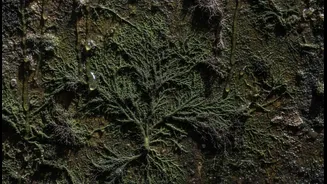
Mould is a type of fungus, a living organism that grows by putting down roots into porous surfaces like walls, wood, and fabric. When you dust or wipe a mouldy patch, you are only removing the visible surface growth. The underlying root system, or mycelia,
remains embedded in the material. Even worse, wiping can release millions of microscopic spores into the air, which can then land on other damp surfaces and start new colonies. This is why mould often seems to reappear in the same spot just weeks after you've cleaned it; you've only pruned the leaves, not removed the plant. The problem isn't the surface dust, but the underlying conditions that allow the mould to grow in the first place.
The Real Culprit: Hidden Moisture
Mould needs one key ingredient to thrive: moisture. While high humidity, especially during India's rainy season, can contribute, persistent mould problems are almost always linked to a specific, constant source of water. This is often a slow, hidden leak from a plumbing pipe inside a wall, a crack in the roof, a faulty window seal, or a damp basement. These leaks provide the steady supply of water that mould requires to flourish, often going unnoticed until the visible signs of damage, like mould patches, appear. Until you find and fix this water source, no amount of surface cleaning will permanently solve the issue.
Your Guide to Finding Hidden Leaks
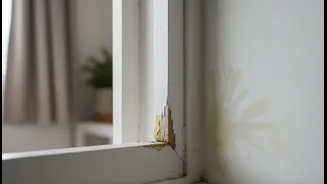
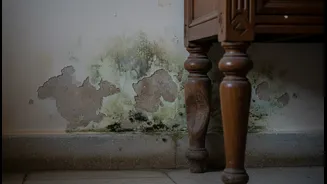
Becoming a detective in your own home is the first step. Look for subtle clues that point to a hidden water problem. A persistent musty or earthy smell is a classic sign of mould, which indicates a long-term moisture issue. Visually inspect walls and ceilings for any discolouration, dark patches, or water stains. Other tell-tale signs include paint that is bubbling, peeling, or cracking, and wallpaper that is pulling away from the wall. In some cases, you might notice that a section of the wall feels soft or appears warped. An unexplained increase in your water bill can also be a red flag for a hidden plumbing leak.
Health Risks You Can't Ignore
Beyond being an eyesore, indoor mould can pose significant health risks. Mould releases spores into the air that, when inhaled, can trigger allergic reactions and respiratory issues. Common symptoms include sneezing, a runny or stuffy nose, red and itchy eyes, skin rashes, and coughing. For individuals with asthma, mould exposure can lead to more frequent and severe attacks. While not everyone will react, prolonged exposure can cause irritation in the eyes, skin, nose, and throat even in non-allergic people. These health concerns make it crucial to address mould growth properly, rather than just covering it up.
The Correct Approach to Mould Removal
Once you have identified and repaired the source of the moisture, you can address the existing mould. For small areas (less than about 10 square feet) on non-porous surfaces, you can often handle the cleanup yourself. First, ensure the area is well-ventilated. Wear protective gear, including gloves, goggles, and a mask to avoid contact with spores. Use a solution of detergent and water to scrub the mould off the surface thoroughly. Simply using bleach is not always effective, as it may not penetrate porous materials and is mostly water, which can feed the mould's roots. After cleaning, it is vital to dry the area completely within 24-48 hours to prevent regrowth.
When to Call for Professional Help
A DIY approach is not always sufficient or safe. You should call a professional for mould remediation if the mould covers an area larger than 10 square feet or if it keeps coming back despite your best efforts. Professionals should also be called if you suspect mould contamination in your HVAC system, as running it could spread spores throughout your entire home. If the water damage was caused by contaminated water, such as sewage, it's essential to bring in experts who are equipped to handle hazardous materials. Finally, if you or your family members are experiencing health problems that you believe are linked to mould, it is safest to rely on professionals to ensure the complete and safe removal of the contamination.