




The Hidden Cost of Getting Close
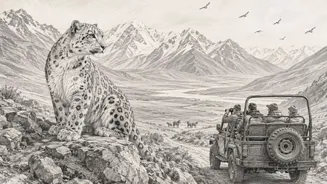
For many, a safari or a trek through a national park is about capturing the perfect photo. This desire, however well-intentioned, often leads to disruptive behaviour. Vehicles crowding an animal, tourists talking loudly, or venturing off designated trails
can cause significant stress to wildlife. Studies show that such disturbances can alter feeding habits, interrupt breeding cycles, and make animals more vulnerable to predators or disease. The cumulative effect of thousands of visitors, each trying to get a little closer, puts immense pressure on fragile ecosystems. Even our quiet presence can be perceived as a threat, forcing animals to flee their resting spots or abandon their young. This is the paradox of wildlife tourism: our love for nature can inadvertently harm it.
Beyond Spotting: The Power of Interpretation
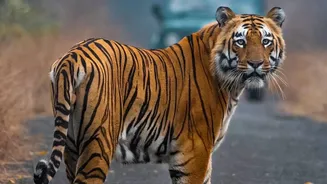
This is where ranger-led interpretation changes the game. It’s a practice that goes far beyond simply pointing out an animal. A trained ranger or naturalist guide is a storyteller, a translator of the wild. They don't just show you a tiger; they explain its stripes are for camouflage in the tall grass, describe its role as an apex predator, and share the conservation challenges it faces. This approach, known as interpretation, is designed to forge an intellectual and emotional connection between the visitor and the environment. It transforms a passive viewing into an active learning experience, encouraging a sense of wonder and respect that a simple sighting cannot provide.
How Rangers Manage the Human Footprint
One of the most critical roles a ranger plays is managing visitor behaviour to minimise impact. They are trained to read animal body language, recognizing signs of stress that an average tourist would miss, and ensuring vehicles maintain a respectful distance. Ethical operators and park rangers enforce strict rules: no off-roading, no baiting animals with food, and no using audio calls to attract predators. By controlling the number of vehicles at a sighting and ensuring everyone remains quiet, they reduce the stress on the animals, allowing them to behave more naturally. This disciplined approach ensures that the encounter is on the animal's terms, protecting its welfare while still providing an awe-inspiring experience for the visitor.
From Tourist to Conservation Ally
The most profound benefit of ranger-led interpretation is its ability to change mindsets. When a guide explains that a particular area is a crucial breeding ground or that feeding monkeys disrupts their social structure and health, it provides context that shapes behaviour. This education fosters empathy. Visitors begin to understand the complex web of life they are witnessing and their own place within it. This understanding often inspires a shift from a consumer mindset (“What can I get from this experience?”) to a conservationist one (“How can I help protect this place?”). A well-guided tour can plant the seeds of environmental stewardship that last long after the holiday is over.
Supporting Communities, Protecting Wildlife
Choosing a ranger-led tour, especially one that employs local guides, has a powerful ripple effect. In many areas surrounding India’s national parks, tourism provides a vital economic alternative to activities like poaching or resource extraction. When local communities benefit directly from wildlife tourism through employment as guides, trackers, and lodge staff, they become powerful stakeholders in conservation. Your tourism money helps fund schools, healthcare, and infrastructure, creating a direct link between a living tiger and a better life for a local family. This model turns residents into the most dedicated guardians of their natural heritage, ensuring the long-term survival of the wildlife we all travel so far to see.