


Meet India's Newest Hopefuls
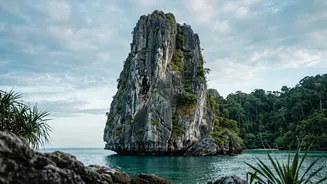
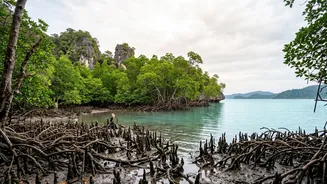
The excitement surrounds three remarkable and diverse sites that now feature on India's Tentative List. Two are located in the Andaman and Nicobar Islands: the Karst-mud-volcano Complex of Baratang, a unique landscape of limestone caves and active mud volcanoes,
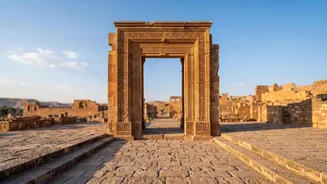
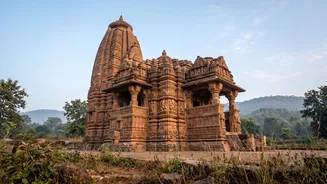
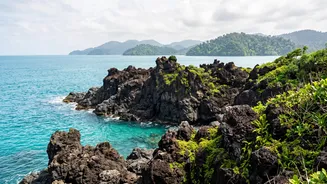
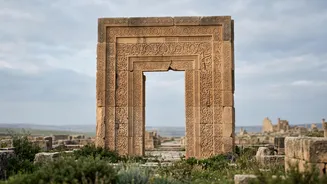
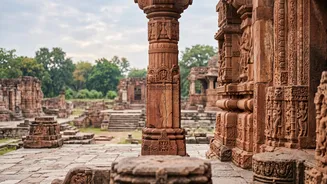
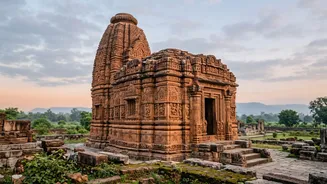
and the Andaman Subduction Volcanoes, which include Narcondam Island and Barren Island, India's only confirmed active volcano. The third is the Sirpur Cultural and Archaeological Landscape in Chhattisgarh, a site rich with monumental remains from the 5th to 12th centuries, showcasing a history of Hindu and Buddhist coexistence. These additions represent a significant move to have India's natural and cultural marvels recognized on the world stage.
The First Step: What Is a Tentative List?
Think of the Tentative List as a country's official inventory of treasures it believes have 'Outstanding Universal Value'. Before a site can even be formally nominated for World Heritage status, it must first be included on this list. It is a declaration of intent, a way for a country like India to signal to UNESCO and the world which properties it may consider for nomination in the coming years. The list is not permanent; countries are encouraged to review it every ten years. Being on this list is a mandatory prerequisite for the main nomination, but it offers no guarantee of a future inscription.
The Long Road to Inscription
Moving from the Tentative List to the prestigious World Heritage List is a rigorous and multi-year journey. After a site has been on the Tentative List for at least a year, the state party can prepare a comprehensive nomination dossier. This detailed file is submitted to the World Heritage Centre, which checks it for completeness before sending it to two independent advisory bodies for evaluation: the International Council on Monuments and Sites (ICOMOS) for cultural sites, and the International Union for Conservation of Nature (IUCN) for natural sites. These bodies conduct missions and in-depth reviews, a process that takes about 18 months, before making their recommendations. The final decision rests with the World Heritage Committee, which meets once a year to decide which sites will be inscribed.
Why Full Inscription Is the Real Prize
While making it to the Tentative List is an honor, achieving full World Heritage inscription brings a host of tangible benefits. The iconic World Heritage emblem is a powerful symbol that boosts international recognition and tourism, often leading to significant economic benefits for local communities. Inscribed sites may also gain access to the World Heritage Fund for conservation projects and technical assistance. Furthermore, inscription places a site under the protection of international conventions, reinforcing the host country's commitment to its preservation for all of humanity. Tentative status, by contrast, is a preliminary step that carries none of these direct benefits and is primarily a planning tool for the nominating country.
What’s Next for India's Heritage?
India has a strong track record with UNESCO, with dozens of sites already inscribed on the World Heritage List. The journey for the Baratang complex, the Andaman volcanoes, and the Sirpur landscape has just begun. The next phase involves meticulous work by bodies like the Archaeological Survey of India to prepare the exhaustive nomination files. This requires deep research, mapping, and a compelling case for why each site meets at least one of the ten selection criteria for Outstanding Universal Value. For these three hopefuls, and others on India's Tentative List, the path ahead is long and demanding, but it is a vital process for safeguarding the nation's most precious cultural and natural assets for future generations.