



The Hidden Damage of Hair Ties
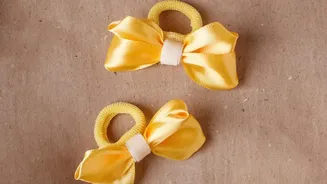
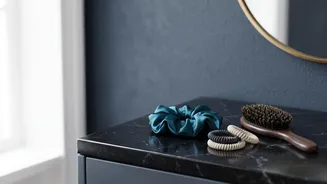
The daily high ponytail or tight bun might feel like a quick fix, but it comes at a cost. Traditional elastic hair ties concentrate pressure on a very small section of hair. This constant tension can weaken the hair shaft, leading to breakage, frizz,
and those dreaded split ends. Over time, this repeated stress can even contribute to a type of hair loss known as traction alopecia, where the constant pulling damages the hair follicles, particularly around the hairline. If you've ever ended the day with a sore scalp or a tension headache, your tight hairstyle is likely the culprit. While they seem harmless, elastics—especially those with metal clasps—can snag and tear strands every time you put your hair up or take it down.
Why Hair Clips Are a Gentler Choice
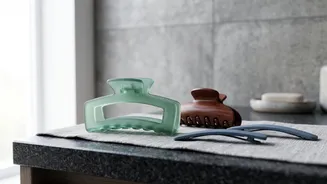
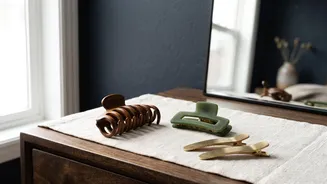
Hair clips, particularly claw clips and French pins, offer a healthier way to secure your hair. Unlike elastics that cinch and compress, clips work by gathering and supporting a section of hair, distributing the weight and tension much more evenly. This significantly reduces the pull on individual strands and the scalp, minimizing the risk of breakage and follicle stress. Because clips don't need to be wound tightly around the hair, they prevent the friction and rubbing that can rough up the hair's cuticle. This makes them an excellent choice for preventing damage, especially for those with fine, color-treated, or already fragile hair.
Find the Right Clip for Your Hair
Not all clips are created equal, and the right choice depends on your hair's thickness and texture. For those with thick, long, or curly hair, a large or jumbo claw clip made from a durable material like cellulose acetate will offer the best hold without snapping. Look for clips with a strong spring and wide jaw. If you have fine or thin hair, smaller and more lightweight clips are ideal, as heavier ones can slip out or weigh hair down. Flat clips or those with a non-slip grip lining can also provide extra security for finer strands. For creating elegant buns and twists, U-shaped French pins are a fantastic, tension-free option.
The Classic Claw Clip Twist
This iconic look is the epitome of effortless chic and works for most hair lengths past the shoulder. Start by gathering your hair into a low ponytail, but don't secure it. Twist the entire length of the ponytail upwards, keeping the twist tight against the back of your head. Once you've twisted it up, fold the twisted hair back down onto itself and secure the entire twist firmly with a large claw clip. You can let the ends of your hair cascade over the top of the clip for a relaxed, '90s-inspired vibe or tuck them in for a more polished finish. It’s a versatile style that looks put-together in seconds.
The Elegant French Pin Bun
For a sophisticated updo that looks far more complicated than it is, the French pin is your best friend. Gather your hair at the nape of your neck and begin twisting it upwards into a vertical roll, similar to a French twist. Tuck the ends of your hair into the seam of the twist. Now, take your U-shaped French pin. To secure the style, insert the pin from the side, catch a small section of hair from the outer edge of the twist, then flip the pin so it points toward your scalp and push it down through the base of the bun to anchor it. The pin should feel secure without pulling. It might take a few tries, but this technique creates a strong hold with zero tension.
Modern Ways to Style
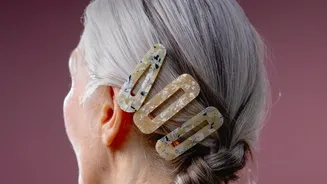
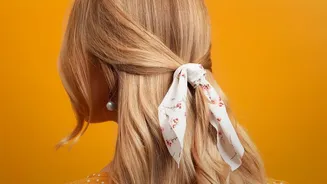
Clips are not just for full updos. A simple half-up, half-down style is perfect for keeping hair off your face while showcasing your length. Simply gather the top section of your hair, give it a slight twist to help the clip grip, and secure it at the back of your head with a medium-sized clip. You can also elevate a simple ponytail by using a claw clip at the base instead of an elastic. For a more fashion-forward look, try stacking multiple small, decorative clips or barrettes along your part or above your ear. This adds a touch of personality and works beautifully with hair worn down or in braids.