






The Search for Authenticity
Modern travellers are increasingly driven by a desire for genuine experiences over pre-packaged tourism. This global shift is particularly relevant in Malaysia, a nation celebrated for its rich blend of Malay, Chinese, and Indian influences. Tourists
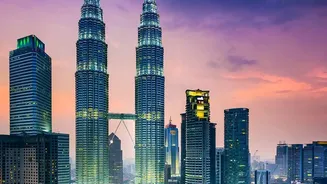
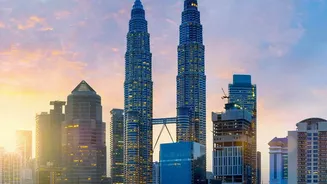
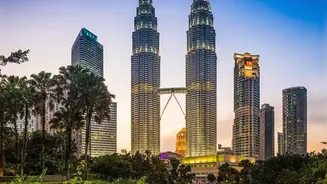
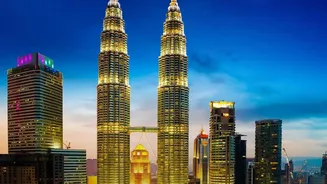
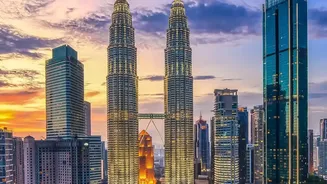
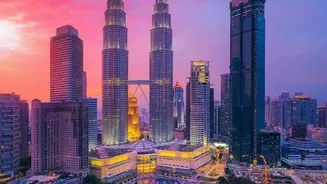
are no longer satisfied with just visiting the iconic Petronas Towers; they want to savour local dishes in a lesser-known town, learn a traditional craft, or explore a neighbourhood that isn't featured in every travel guide. This quest for authenticity is leading them to places like Ipoh, with its colonial-era architecture and renowned food scene, and the towns along the East Coast, which offer a glimpse into a more traditional way of life. They are choosing substance over spectacle, seeking connections with the local culture that crowded tourist centres can sometimes dilute.
Escaping 'Overtourism'
Popular destinations like Penang's George Town, parts of Langkawi, and the Cameron Highlands are grappling with the pressures of their own success. Issues such as traffic congestion, long queues, and environmental strain are becoming more common, leading savvy travellers to look elsewhere. The phenomenon of 'overtourism' diminishes the very charm that made these places famous. In response, some visitors are proactively choosing less crowded alternatives. Instead of braving the crowds at well-known beaches, they might head to the quieter Perhentian Islands or the rustic charm of Pangkor Island. This shift is not just about avoiding frustration; it is about finding a more relaxed and enjoyable holiday while reducing the environmental footprint on already strained ecosystems.
The Rise of Sustainable and Eco-Travel
A growing environmental consciousness is powerfully shaping travel decisions. Malaysia's incredible biodiversity, from 130-million-year-old rainforests to vibrant marine parks, makes it a prime destination for eco-conscious tourists. Government initiatives like the National Ecotourism Plan are also bolstering this trend, promoting responsible travel that benefits local communities and conserves natural heritage. Travellers are increasingly drawn to community-based tourism, such as homestays in rural villages and guided tours in national parks like Taman Negara and Royal Belum State Park. The jungles of Borneo, home to orangutans and unique indigenous cultures, offer profound experiences that go far beyond a typical city break. This move towards sustainability reflects a deeper desire to travel in a way that is not only enriching but also responsible.
Digital Influence and Hidden Gems
Social media has fundamentally changed how people discover travel destinations. While platforms once focused on iconic landmarks, today's algorithms often reward unique content from off-the-beaten-path locations. A striking photo from a hidden waterfall in Pahang or a colourful market in Kota Bharu can inspire wanderlust just as effectively as a five-star resort's advertisement. This digital word-of-mouth encourages exploration, turning places once considered remote into sought-after destinations. Travellers are using these platforms to find 'secret' spots that promise a more unique and personal story to tell. Consequently, secondary cities and rural areas are gaining visibility, attracting a new wave of visitors eager to capture and share their own discoveries.
Where Are They Going?
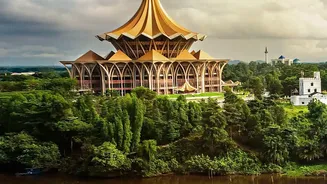
This trend is creating new hotspots across the country. Ipoh has emerged as a major draw, celebrated for its street art, cave temples, and a food culture that rivals Penang's. On the East Coast, states like Terengganu and Kelantan are attracting visitors with their pristine beaches, vibrant traditions, and laid-back atmosphere. In Sabah and Sarawak on the island of Borneo, adventure and nature are the main attractions, with destinations like Kota Kinabalu, Sandakan, and various national parks offering jungle trekking, wildlife spotting, and diving opportunities. These locations provide the space, authenticity, and unique experiences that a growing number of travellers now value above all else.