




An Iconic and Divisive Design
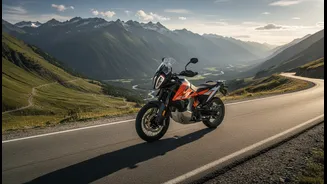
Since its debut, the KTM 790 Adventure platform has been defined by its distinctive 'saddlebag' fuel tanks that hang low on either side of the engine. The engineering goal was brilliant in its simplicity: lower the bike's center of gravity by carrying
the heavy fuel load as close to the ground as possible. This design choice gave the 790 Adventure its famously planted and stable feel, especially at low speeds, making a relatively tall bike feel surprisingly manageable. The upper part of the tank was kept slim, allowing riders to grip the bike with their knees and move forward on the seat, which was a clear benefit for off-road control. However, the design wasn't without its critics. While some lauded the handling benefits, others worried about the tanks' vulnerability in a crash or found the wide lower pods could occasionally get in the way in very technical terrain.
Spy Shots Signal a Major Shift
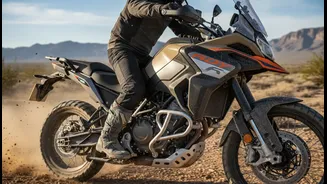
Recent spy shots from testing in Austria, dated July 2026, have sent a shockwave through the adventure motorcycling community. A prototype of what appears to be the next-generation 790 Adventure reveals a radical departure from its signature feature. The low-slung fuel pods are gone, replaced by a more conventional, single fuel tank mounted in the traditional location above the engine. This isn't just a minor tweak; it's a fundamental rethink of the bike's core architecture. The prototype also features a slimmer overall profile, a new headlight design, reworked side panels, and a taller windscreen, indicating a comprehensive model update.
The Case for Improved Movement
So, how could moving the fuel higher possibly improve rider movement? The answer lies in the space it frees up around the rider's legs. While the old design was narrow at the top, the new, single-tank design can be aggressively sculpted to be extremely slim where a standing rider's knees and lower legs make contact. This eliminates the wider, lower part of the old tanks entirely. For an active off-road rider, this could mean more freedom to shift their body weight, maneuver their legs without obstruction in deep ruts, and more easily 'dab' a foot for stability in tricky sections. It allows the rider to move around on the bike more like they would on a pure enduro or motocross machine, potentially offering a different, more dynamic kind of control.
The Inevitable Trade-Off
Of course, there is no free lunch in motorcycle engineering. The primary benefit of the old design was its low center of gravity. Moving several gallons of fuel higher will inevitably raise the bike's center of mass, which could make it feel more top-heavy and less stable, particularly at slower speeds or when stopped. KTM's engineers will undoubtedly be working to mitigate this effect through careful mass centralization elsewhere on the bike. The new fairing appears wider, which might help maintain fuel capacity, but the ultimate test will be how the new configuration feels on the trail. This change represents a classic engineering trade-off: sacrificing some of the old model's rock-steady stability for potentially greater dynamic mobility.
A New Ergonomic Philosophy
This revised tank is the centerpiece of what looks like a broader ergonomic and stylistic overhaul. The prototype's move to a single-piece seat from the current split-seat setup, combined with the new tank shape and cleaner bodywork, suggests KTM is aiming for a more cohesive and refined rider experience. The bike appears visually lighter and more aggressive, taking cues from KTM's latest rally machines. The goal seems to be an evolution of the 790's off-road character. Instead of relying solely on a low center of gravity for confidence, KTM may be banking on enhanced rider freedom and a more agile-feeling chassis to deliver its 'Ready to Race' promise in the dirt.