




A New Maritime Vision
India is no longer just dipping its toes in the water; it's making a strategic plunge into the global cruise market. This shift is driven by high-level government initiatives designed to unlock the massive potential of the country’s 7,500-kilometre coastline
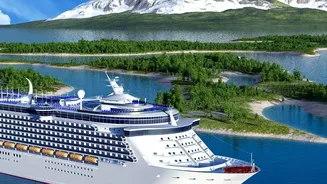
and extensive network of inland waterways. Key among these are the Maritime India Vision 2030 and its successor, the Maritime Amrit Kaal Vision 2047, which outline a detailed roadmap to position India as one of the top ten cruise destinations globally. A central part of this strategy is the 'Cruise Bharat Mission', launched in late 2024. This mission aims to more than double cruise passenger traffic within five years, from roughly 470,000 to over one million by 2029, and significantly increase the number of cruise ship calls.
Building World-Class Infrastructure
To realise this vision, a massive infrastructure overhaul is underway. The government is investing heavily in developing new cruise terminals and upgrading existing ones. Six major ports—Mumbai, Goa, Kochi, Chennai, New Mangalore, and Visakhapatnam—are being developed into international cruise hubs. The recently inaugurated Mumbai International Cruise Terminal, built with a significant investment, can handle over a million passengers annually and up to five ships at once. Beyond the major hubs, dozens of smaller terminals and jetties are planned for both coastal and river routes. This includes ambitious projects like the Ganga water metro in Patna, which will feature world-class river cruise terminals and connect to the National Waterway-1. These modern facilities are designed to provide a seamless experience for travellers and attract major international cruise lines.
The Economic Ripple Effect
The focus on cruise tourism is fundamentally an economic strategy. The government projects that the industry has the potential to grow eightfold over the next decade. The direct economic impact is projected to rise from around ₹1,100 crore to nearly ₹5,000 crore by 2029. This growth is expected to create a significant ripple effect across the economy. Each cruise ship call stimulates local businesses, including tour operators, transport providers, restaurants, and handicraft sellers. The government estimates that the expansion could create over 400,000 new jobs, offering livelihoods in hospitality, logistics, and destination services. Furthermore, by attracting foreign tourists, the sector is set to become a valuable source of foreign exchange earnings.
Attracting Global and Domestic Players
A key part of the strategy involves making India a more attractive destination for international cruise giants. The government has simplified regulations, introduced rationalised port tariffs, and is offering priority berthing for cruise vessels over cargo ships. Recent policy changes, like introducing an e-group visit visa for cruise tourists, are designed to make procedures easier for international travellers and encourage cruise companies to add Indian ports to their itineraries. While attracting global players is crucial, the domestic market is seen as the primary engine of growth, with rising disposable incomes fuelling demand. Domestic operators like Cordelia Cruises are expanding their fleets and routes, offering voyages along the east and west coasts to destinations like Lakshadweep.
The Rise of River Cruising
Beyond its vast coastline, India is tapping into its 20,000 kilometres of navigable waterways. River cruising is being developed as a major pillar of the tourism strategy, with a goal of attracting over 1.5 million river cruise passengers. The 'River Cruise Tourism Roadmap, 2047' outlines plans to invest a staggering ₹45,000 crore, with most of it earmarked for new vessels and terminal infrastructure. Following the successful launch of the world's longest river cruise from Varanasi to Dibrugarh, the government plans to launch over 50 new river cruise circuits by 2027. This push aims to unlock the tourism potential of the country's historic riverside cities and remote natural landscapes, offering a unique travel experience.