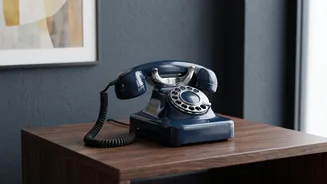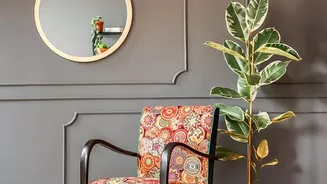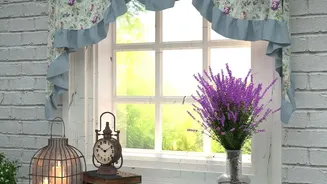



Why A Statement Corner Works
Committing to a full vintage-themed room can be daunting, both financially and stylistically. A statement corner, however, is a low-risk, high-reward design strategy. It allows you to experiment with a vintage aesthetic, infusing personality and a sense
of history into your home on a manageable scale. This approach is perfect for small apartments or for rooms where you want to create a specific mood in one area, like a cosy reading nook. By focusing your efforts on one zone, you can invest in a few high-quality pieces that tell a story, creating a focal point that draws the eye and adds depth to your existing decor.
Choose Your Anchor Piece
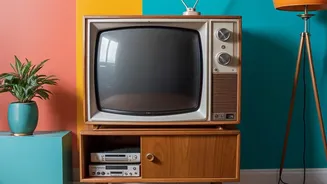
Every great statement corner begins with a single, compelling piece of furniture that serves as its anchor. This 'must-have' item sets the tone for the entire nook. Think of a plush, deep-seated armchair with worn leather or a rich velvet upholstery, a dark wood writing desk with intricate carvings, or a classic mid-century modern sideboard. This piece should not only be functional but also possess enough character to stand on its own. It's the cornerstone of your vintage vignette, and its style—be it Art Deco, Victorian, or 70s funk—will guide the rest of your decor choices.
Layer with Lighting
The right lighting is crucial for transforming a simple corner into a cosy retreat. Harsh overhead lights can flatten the atmosphere, so opt for dedicated task and mood lighting. A vintage-style floor lamp, such as a brass pharmacy lamp or a sleek arc lamp, can provide focused light for reading while also acting as a sculptural element. Alternatively, a table lamp with a warm-toned bulb placed on a side table can create an intimate glow. The goal is to create a pool of soft, warm light that makes the corner feel like a self-contained sanctuary, separate from the rest of the room.
Add Texture and Textiles
Texture is what makes a space feel inviting and lived-in. Layering different textiles is a key component of vintage style. Drape a chunky knit or woollen throw blanket over the arm of your chair. Add a few plush cushions in varied fabrics like velvet, linen, or faded florals. A small, patterned rug underfoot helps to visually define the corner and anchor the furniture. These elements not only add physical comfort but also introduce patterns and colours—like florals, paisley, or geometric prints—that are hallmarks of different vintage eras.
Accessorise with Personality
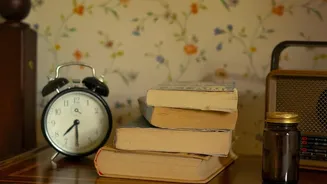
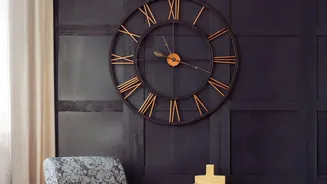
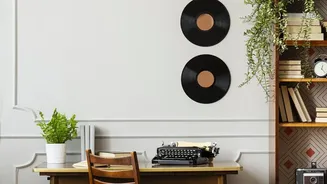
The final layer involves accessories that tell a personal story. This is where you can truly have fun and let your personality shine. Create a small gallery wall with a collection of vintage prints, framed postcards, or family photos. A small side table is essential for practicality, providing a home for a cup of tea, a stack of books, and a small decorative object like an antique clock or a ceramic vase. Incorporating items with a natural patina—like a brass tray or a worn wooden box—lends an air of authenticity that mass-produced items often lack.
Where to Find Your Treasures
Building your vintage corner is a treasure hunt. The best pieces often come with a history. Start your search at local antique shops, flea markets, and estate sales, where you can often find unique items for a good price. Don't overlook online marketplaces like Etsy and Facebook Marketplace, which can be goldmines for specific items. Even family hand-me-downs can become cherished centrepieces. When buying vintage, don't be afraid to ask about an item's condition and history, and always measure your space to ensure a good fit. The reward is a curated corner that feels collected over time, not bought in a day.