




A Fragrance Fit for a Princess
The story of neroli is tied to 17th-century Italian royalty. Anne Marie Orsini, the Princess of Nerola, was so enchanted by the aroma of the bitter orange blossom that she used it to perfume her gloves and bathwater. Her popularisation of the scent gave
the resulting essential oil its name, 'neroli', and cemented its status as a symbol of elegance and luxury in European high society. Before its royal endorsement, the oil was already a highly traded commodity, used in ancient Egypt and Rome for its perceived healing and calming properties. This rich history laid the groundwork for neroli's enduring appeal in perfumery and wellness.
From Flower to Bottle
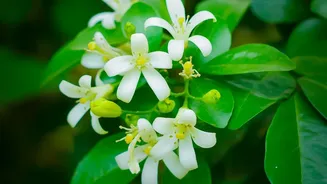
Neroli essential oil is extracted from the delicate white blossoms of the bitter orange tree, Citrus aurantium amara. This is the very same tree that gives us petitgrain oil from its leaves and twigs, and bitter orange oil from the fruit's peel. What makes neroli so special is the painstaking extraction process. The flowers are typically hand-picked in late April and early May to preserve their fragile aroma. They then undergo steam distillation, a process where steam is passed through the blossoms to release their aromatic compounds. It is an incredibly labour-intensive method; it takes about one ton of hand-picked blossoms to produce just one litre of this precious oil, which explains its premium price point.
Decoding its Complex Aroma
While it comes from an orange tree, neroli doesn't smell like a simple citrus fruit. Its fragrance is far more complex and sophisticated. The initial impression is a bright, green, and slightly bitter citrus note, which quickly blossoms into a soft, honeyed floral heart. Many describe it as clean, airy, and even slightly soapy, with delicate spicy undertones that add depth. This unique profile allows it to bridge the gap between citrus and floral notes in perfumery. It’s distinct from orange blossom absolute, which is taken from the same flower but uses a solvent-based extraction method, resulting in a much sweeter, heavier, and more indolic scent.
Benefits for Mind and Body
Beyond its beautiful scent, neroli is a powerhouse in aromatherapy. It is widely celebrated for its calming effects on the nervous system. Inhaling neroli oil may help the brain release serotonin and reduce levels of the stress hormone cortisol, making it a popular choice for alleviating anxiety, stress, and insomnia. Studies have shown it can be beneficial in reducing stress for postmenopausal women and even anxiety during labour. In skincare, neroli is valued for its gentle, anti-inflammatory, and antibacterial properties. It is believed to help regenerate skin cells, making it useful for improving the appearance of scars, fine lines, and redness associated with breakouts.
How to Incorporate Neroli into Your Routine
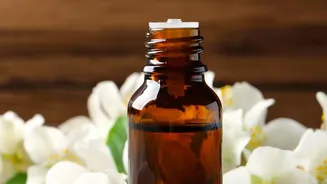
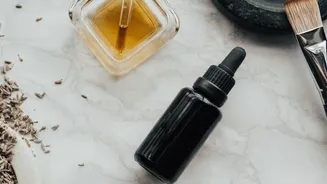
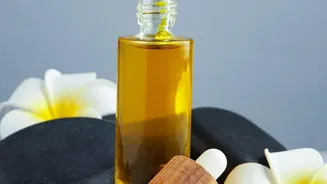
There are many simple ways to enjoy the benefits of neroli oil. For stress relief, add a few drops to an essential oil diffuser to fill your space with its calming aroma. For a luxurious and relaxing bath, mix a few drops with a carrier oil like jojoba or almond oil before adding it to the water to help it disperse. This same blend can be used as a fragrant body oil or for a soothing massage. For skin benefits, look for facial serums, mists, or moisturisers that list neroli oil as a key ingredient. When using pure neroli essential oil, always remember to dilute it with a carrier oil before applying it to the skin to prevent irritation.