



The Protein Power Play
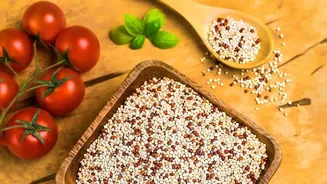
Quinoa is famous for its protein content, delivering about 13-14 grams per 100g of uncooked grain. More importantly, it's a 'complete protein', meaning it contains all nine essential amino acids our bodies can't produce. Ragi, or finger millet, contains a more
modest 7-10 grams of protein and is not a complete protein. However, this is less of a concern in a typical Indian diet, where ragi is often paired with dal or curd, which together create a complete amino acid profile. For those specifically looking to maximise protein from a single source, quinoa holds the edge.
The Calcium Crown
This is where ragi truly shines and decisively wins. Uncooked ragi boasts an incredible 344-364 mg of calcium per 100g serving. This makes it one of the best plant-based sources of calcium available, crucial for bone health, especially for children and older adults. In comparison, quinoa contains a respectable 198 mg of calcium per 100g, which is good for a grain but is significantly less than ragi. If your focus is boosting calcium intake, ragi is the undisputed champion.
Fibre for Fullness and Gut Health
Both grains are excellent sources of dietary fibre, which is vital for good digestion and feeling full for longer. Nutritional values can vary, but some data suggests quinoa has a slight edge with around 14.7g of fibre per 100g, compared to ragi's 11.2g. Other analyses show ragi having slightly more. Regardless of the minor differences, both are high-fibre foods that aid in maintaining a healthy gut and can assist in weight management by promoting satiety.
Managing Blood Sugar Levels
Both ragi and quinoa are considered good choices for people managing their blood sugar due to their low-to-medium glycemic index (GI). The GI indicates how quickly a food raises blood sugar levels. Quinoa has a GI of around 53, while ragi's GI can range from 54 to 68. The high fibre content in both grains slows down the release of sugar into the bloodstream, helping to prevent sharp spikes. This makes both suitable for a diabetic-friendly diet, with a slight potential advantage for quinoa depending on preparation.
Micronutrient Match-Up: Iron and Vitamins
Beyond the headline nutrients, the micronutrient profiles differ. Quinoa generally offers more iron, with about 7.5 mg per 100g compared to ragi's 4.6 mg. Quinoa also leads in B vitamins like folate, which is important for cell growth and metabolism. Ragi, however, contains more magnesium and certain antioxidants. The sprouted form of ragi contains Vitamin C, which helps increase the absorption of iron, helping to combat anaemia. Your choice might depend on which specific micronutrients you need to supplement in your diet.
Cost and Culinary Versatility
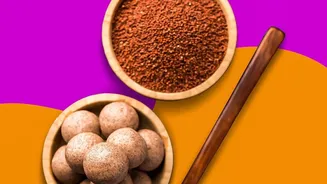
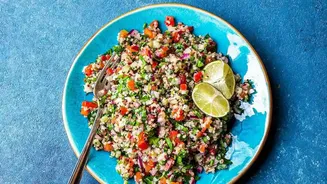
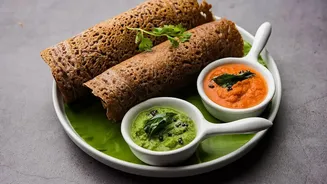
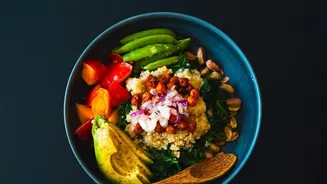
Here, the difference is stark. Ragi is a locally grown, traditional Indian millet, making it widely available and significantly more affordable. It is a staple in many parts of the country, used to make rotis, dosas, porridge, and ladoos. Quinoa, being native to South America, is primarily an imported grain in India, and its price reflects shipping and branding, often costing five times or more than ragi. While quinoa is versatile and can be used in salads, pulaos, and bowls as a rice substitute, ragi's affordability and deep roots in Indian cuisine make it a more practical daily choice for many.