

A New Dawn in Solar Science
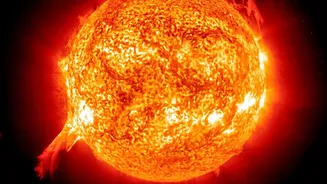
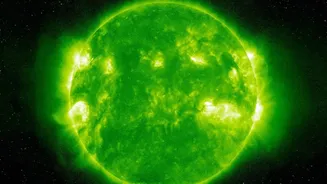
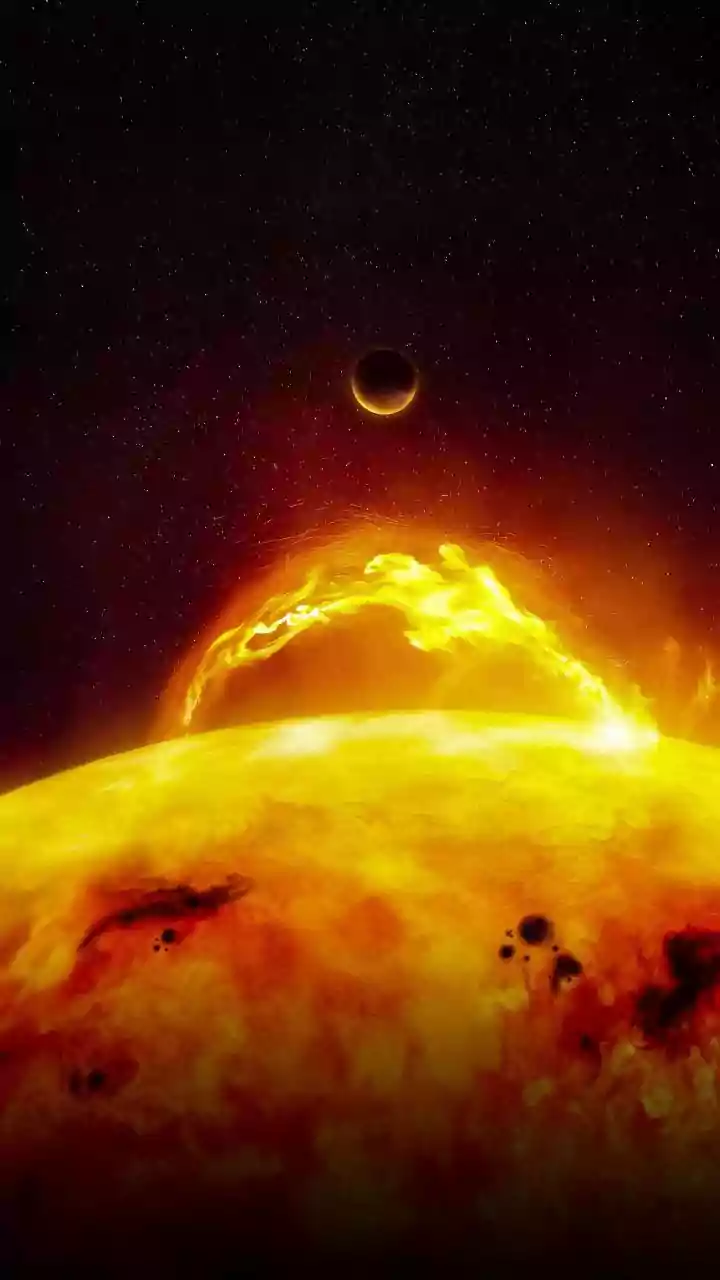
For the first time, scientists have jointly analysed observations of the same solar eruption using data from India's Aditya-L1 mission and the European Space Agency's (ESA) Proba-3. This synergistic approach has provided an unprecedentedly detailed look
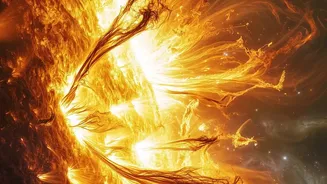
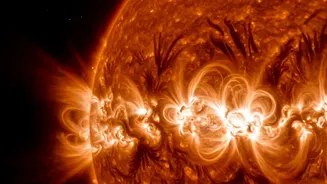
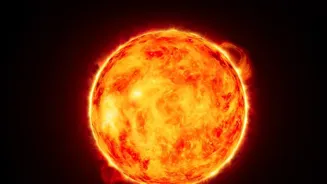
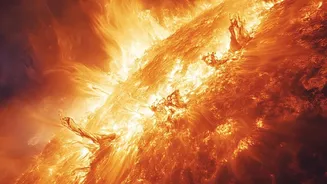
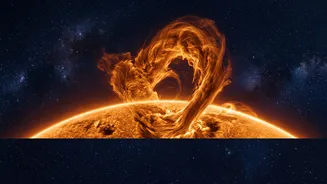
at Coronal Mass Ejections (CMEs), the massive explosions of plasma and magnetic fields from the Sun. A study published in the journal 'Astronomy & Astrophysics' details how researchers from the Indian Institute of Astrophysics (IIA), Bengaluru, along with international collaborators, were able to measure the mass, density, and energy of these outbursts closer to the Sun's surface than ever before. This partnership between ISRO and ESA is a significant step forward, demonstrating how combining different observational techniques can unlock a more complete picture of solar phenomena.
India's Eye on the Sun: Aditya-L1
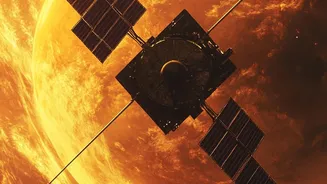
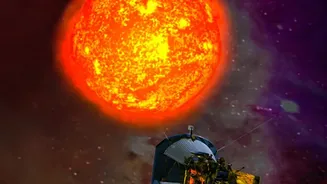
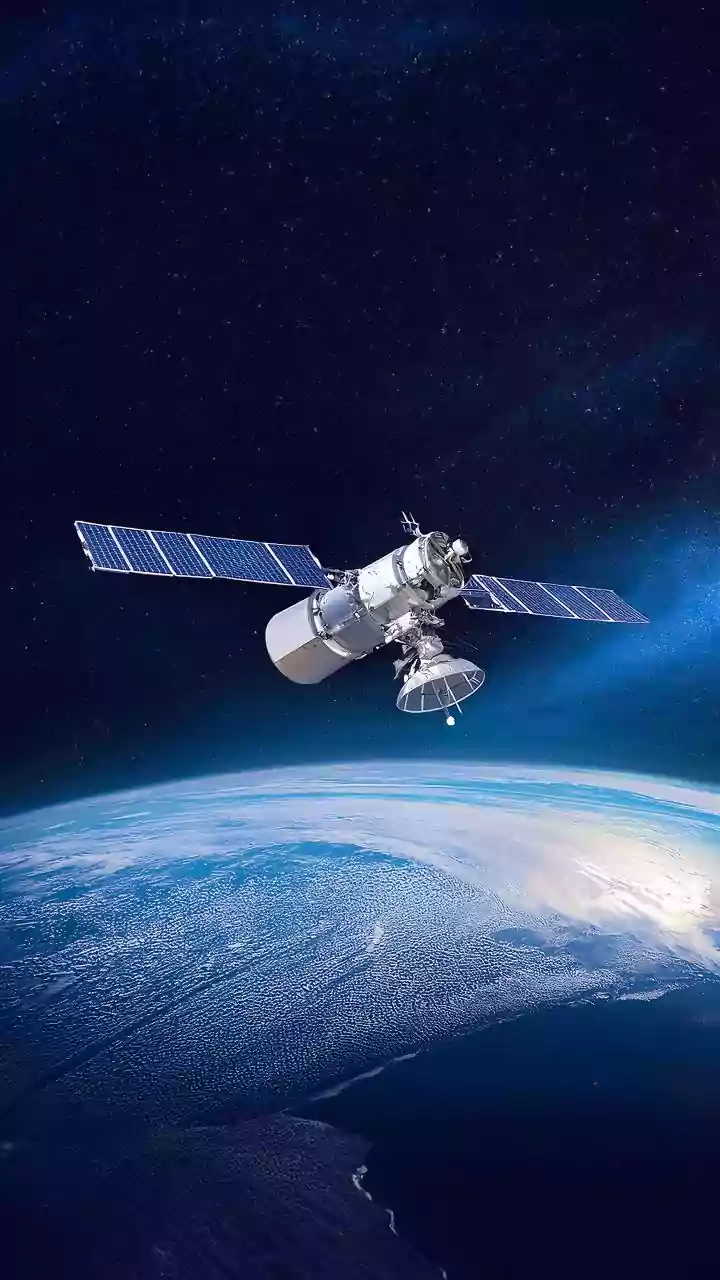
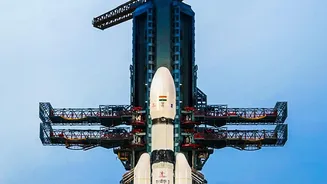
Aditya-L1 is India's first dedicated space-based solar observatory, a testament to ISRO's expanding capabilities in deep space exploration. Launched in September 2023, the spacecraft is positioned at the Sun-Earth Lagrange Point 1 (L1), about 1.5 million kilometres from Earth. This unique vantage point allows for a continuous, uninterrupted view of the Sun, free from any eclipses or occultations. Aditya-L1 is equipped with seven scientific payloads designed to study the Sun's various layers, from the photosphere and chromosphere to the outermost corona. For this joint study, the key instrument was the Visible Emission Line Coronagraph (VELC), which performs spectroscopic analysis of the solar corona to understand its temperature, velocity, and density.
Europe's Artificial Eclipse: Proba-3
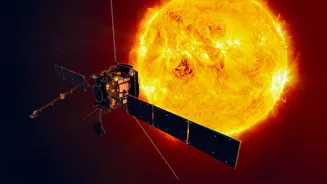
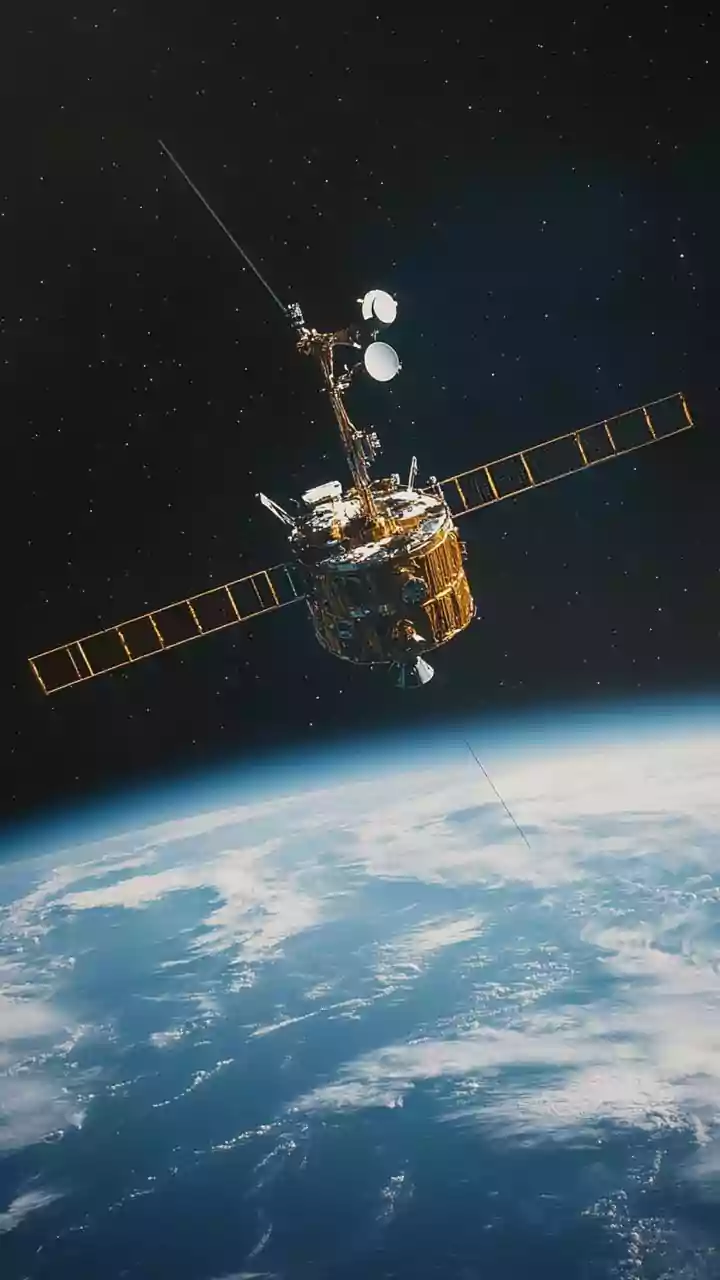
ESA's Proba-3 is a pioneering mission in its own right, being the world's first to demonstrate high-precision formation flying. Launched by an ISRO PSLV rocket in December 2024, the mission consists of two satellites flying in a tight formation, approximately 150 meters apart. One satellite, the 'Occulter', flies in front of the other, the 'Coronagraph', blocking the Sun's bright disk. This creates a sustained artificial solar eclipse, allowing the ASPIICS instrument to observe the extremely faint inner corona, a region notoriously difficult to see against the Sun's glare. This innovative technique allows scientists to see the very genesis of solar events like CMEs.
Stronger Together
The true power of this collaboration lies in how the two missions complement each other. While Aditya-L1's VELC provides spectroscopic data, analysing the properties of light to understand the plasma's characteristics, Proba-3's ASPIICS captures crisp images of the corona's structure. Furthermore, their fields of view overlap, allowing them to observe the same event from slightly different perspectives. Aditya-L1/VELC observes the corona from about 1.05 to 1.5 solar radii, while Proba-3/ASPIICS covers a range from 1.1 to 3 solar radii. By combining these two datasets—one spectroscopic and one imaging—scientists can cross-check their findings and build a comprehensive, three-dimensional understanding of how a CME forms and accelerates in its crucial early stages, something a single spacecraft could not achieve alone.
Why This Matters for Earth
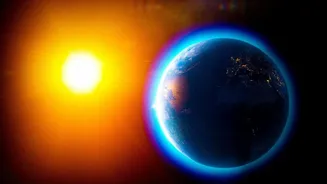
Coronal Mass Ejections are not just cosmic curiosities; they are the primary drivers of space weather. When a CME is aimed at Earth, it can trigger powerful geomagnetic storms that pose a significant threat to our technology-dependent civilisation. These storms can disrupt satellite operations, interfere with GPS and communication networks, damage power grids, and pose a risk to astronauts in space. Understanding the initial mass, density, and energy of a CME is critical for accurately predicting its potential impact on Earth. The difficulty has always been in observing these properties close to the Sun. This joint analysis represents a major breakthrough in gathering that vital early-stage data, which is essential for improving our space weather forecasting models.