

The Tale of Two Dumplings
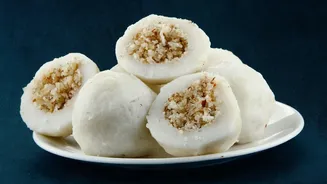
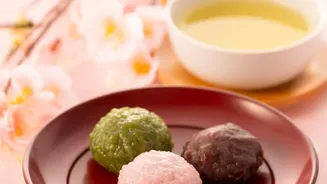
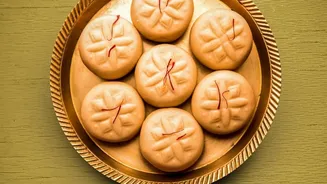
The most striking similarity lies in two beloved sweets: Japan's mochi and India's modak. Both are essentially sweet dumplings, cherished for their soft, chewy texture. The classic steamed modak, known as ukadiche modak in Maharashtra, features an outer
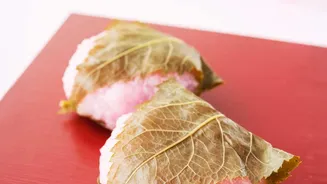
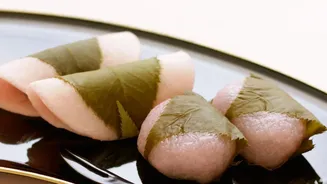
shell made from rice flour. This casing envelops a sweet filling of fresh coconut and jaggery. Similarly, many traditional Japanese mochi and daifuku consist of a glutinous rice flour dough wrapped around a sweet filling, most commonly red bean paste (anko). The visual parallel is undeniable. The modak is often hand-pleated into a shape resembling a fig or a small pouch, a form that is both beautiful and symbolic. Mochi, too, is frequently molded into a simple, elegant sphere. This fundamental structure—a soft, pliable rice-based exterior holding a sweet treasure within—forms a direct and delicious link between the two cultures.
A Shared Foundation of Rice Flour
The key to this shared form is a common foundational ingredient: rice flour. Both Japanese and Indian culinary traditions have long utilized rice flour to create an incredible array of dishes, from savory to sweet. Glutinous or sweet rice flour is what gives mochi its characteristic sticky and chewy consistency. In India, rice flour is the primary component for the steamed modak's casing and is used in various other regional sweets and snacks. This ingredient is naturally pliable when steamed or boiled, lending itself perfectly to being shaped and filled. While Western desserts often rely on wheat flour, butter, and eggs for structure, the rice-based sweets of Japan and India explore a different world of texture, one that is soft, bouncy, and uniquely satisfying. This shared pantry staple is the very reason these similar forms can exist across thousands of kilometers.
The Philosophy of Shape
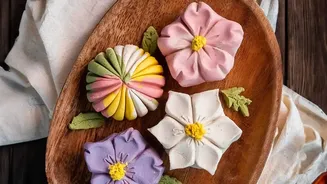
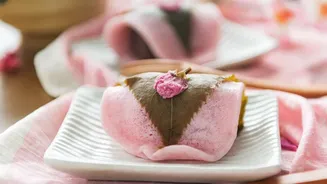
Beyond ingredients, the significance placed on form itself is another powerful parallel. In Japan, traditional sweets, or wagashi, are considered edible art. Their shapes are rarely accidental; they are meticulously crafted to reflect the seasons, nature, and philosophical concepts. A spring wagashi might be shaped like a cherry blossom, while an autumn one could evoke a maple leaf. This emphasis on aesthetics and seasonality elevates the sweet beyond mere food. In India, the form of a sweet often carries deep religious and cultural symbolism. The modak, for instance, is considered the favorite sweet of Lord Ganesha. Its shape is said to represent a bag of money, symbolizing wealth, or the sweet reward of wisdom and spiritual knowledge. For both cultures, the shape is not just decorative; it’s a language that communicates joy, reverence, and a connection to something greater, be it nature or the divine.
More Than a Sphere
The connection extends beyond just the filled dumpling. Consider Japan's dango, which are small, round balls of rice flour often served on a skewer. Their simple, spherical form echoes countless Indian sweets, from the small, syrup-soaked globes of gulab jamun to the perfectly round ladoos that are a staple of celebrations. While the ingredients and flavors differ wildly—dango often has a savory-sweet soy glaze while gulab jamun is milk-based and soaked in sugar syrup—the fundamental shape is the same. This recurring motif of the sphere or ball in both dessert repertoires speaks to a universal appeal. It's a shape that is simple to form by hand, pleasing to the eye, and delivers a perfect, single-bite mouthful of sweetness. From the skewered dango enjoyed during festivals in Japan to the boxes of ladoo shared during Indian weddings, the humble sphere is a cross-cultural symbol of celebration and simple pleasure.