




A Summit-Sized Makeover
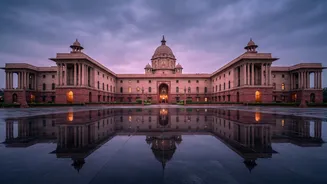
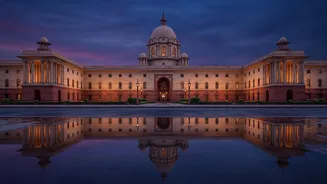
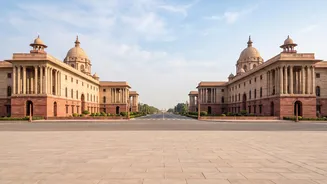
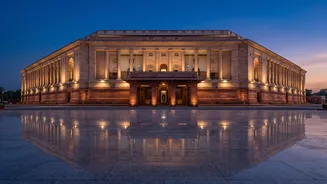
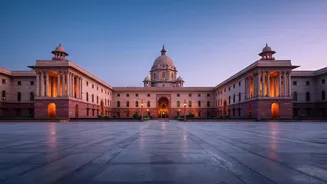
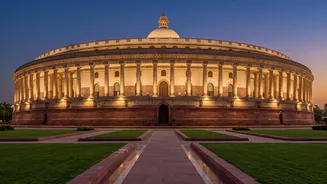
With the BRICS summit scheduled for September 12-13, Delhi's civic bodies are in high gear. The New Delhi Municipal Council (NDMC), which manages the heart of the capital, has launched a comprehensive plan focused on cleanliness, aesthetics, and efficient
management. This initiative covers 41 major roads, which have been organized into 14 circles, each with a dedicated nodal officer to ensure round-the-clock monitoring and compliance with new operational standards. The goal, as stated by officials, is to ensure New Delhi presents a clean, green, and well-maintained appearance to the international delegates and visitors attending the summit. This concentrated effort reflects the significance of hosting an event of this scale, with India's chairmanship theme for 2026 being “Building for Resilience, Innovation, Cooperation and Sustainability.”
Unprecedented Agency Coordination
A key feature of the pre-summit preparations is the emphasis on seamless cooperation between various government departments and civic agencies. In a high-level meeting, Delhi's Lieutenant Governor Taranjit Singh Sandhu stressed the need for strict, time-bound execution and multi-agency coordination. This involves the NDMC, Public Works Department (PWD), Municipal Corporation of Delhi (MCD), and other stakeholders working in unison. Such collaboration is crucial for large-scale projects that often fall under overlapping jurisdictions. The directive from the top is clear: fortify security, streamline traffic, maintain robust civic infrastructure, and ensure comprehensive emergency medical readiness across all key venues and transit routes. This unified command structure aims to prevent the siloed approach that can often hamper urban development projects.
More Than Just Potholes
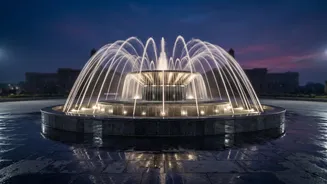
The beautification drive extends far beyond simple road repairs. The NDMC has identified 15 locations for special floral boards, nine for flower fountains, and 17 roundabouts for unique landscaping and decorative illumination. The plan includes planting seasonal flowers, greening brown patches, maintaining green corridors, and installing decorative planters to enhance the city's visual appeal. Infrastructure maintenance is also a priority, covering repairs to footpaths, railings, road signs, and street furniture, alongside ensuring effective stormwater drainage. Furthermore, the summit's branding will be visible across the city, with BRICS-related material displayed on 154 digital screens and at 83 public toilet utilities to generate public awareness. This effort is complemented by a number of associated events, including a BRICS Food Festival and BRICS Murals & Painting, each with dedicated civic support.
The Resident Experience
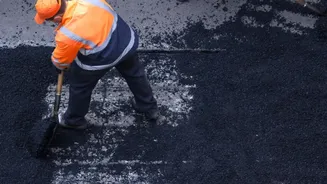
For the citizens of Delhi, these preparations bring both promise and potential disruption. In the short term, residents can expect intensified cleaning, with mechanical road sweepers and special night-duty sanitation teams deployed from September 9 to 14. Enforcement teams will be active, removing encroachments, unauthorised hoardings, and regulating street vending, particularly along VIP movement routes. While this may cause temporary inconvenience, the long-term benefits are significant. The upgrades include repairing dilapidated roads to combat dust pollution, a long-standing issue for the city. Civic bodies are also coordinating with Resident Welfare Associations (RWAs) and market traders' associations to maintain cleanliness, fostering a sense of shared responsibility. Furthermore, some projects, like the expansion of the Okhla waste-to-energy plant, signal a move towards more sustainable urban infrastructure beyond the summit.