






The Coffee Question During Navratri
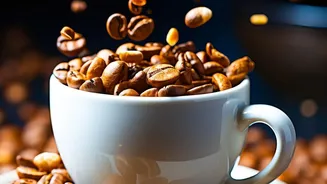
For many, a morning without coffee is unimaginable. During Navratri, the rules can seem confusing. While grains and certain vegetables are avoided, beverages like tea and coffee often fall into a grey area depending on family traditions. Generally, plain
black coffee is more accepted than versions with milk and sugar. However, the main concern is its stimulating effect. Consuming coffee, especially on an empty stomach during a fast, can lead to acidity, jitters, or dehydration for some people. The goal of a fast is to feel calm and balanced, so if coffee makes you feel anxious or unwell, it might be best to limit it or ensure you eat something alongside it.
Smart Snacks to Pair with Your Coffee
Drinking coffee on an empty stomach can increase acidity. To counter this, pairing your cup with a small, vrat-friendly snack is a wise move. These foods can help buffer your stomach and provide sustained energy. Consider roasted makhana (fox nuts), which are light and crunchy. A small bowl of fruits like banana or apple is another excellent choice; bananas are particularly good as their potassium content can help manage acidity. A handful of nuts like almonds or walnuts provides healthy fats and protein, keeping you full longer. For something more substantial, a small portion of sabudana khichdi or kuttu cheela can work, but be mindful of fried preparations, which can worsen digestive issues.
Why 'One-Size-Fits-All' Advice Fails
General fasting guidelines are a useful starting point, but they don't account for individual health profiles. A diet that works for a healthy person might be problematic for someone with a chronic condition. Listening to your body is crucial, but understanding how your specific medical needs interact with fasting foods is even more important for a safe and healthy Navratri. This is where broad advice needs a personal filter.
For Those with Acidity or GERD
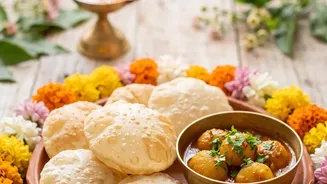
If you are prone to acidity or gastroesophageal reflux disease (GERD), fasting can be challenging. Coffee is a known trigger for acid reflux. It is essential to never have it on a completely empty stomach. Pair it with alkaline foods like a banana or a few almonds. Buttermilk and coconut water are excellent soothing drinks to include in your diet throughout the day to keep acidity at bay. Avoid very oily or spicy vrat foods, like deep-fried puris or pakoras, as these can aggravate your symptoms significantly. Opt for steamed, boiled, or roasted preparations instead.
Navigating Navratri with Diabetes
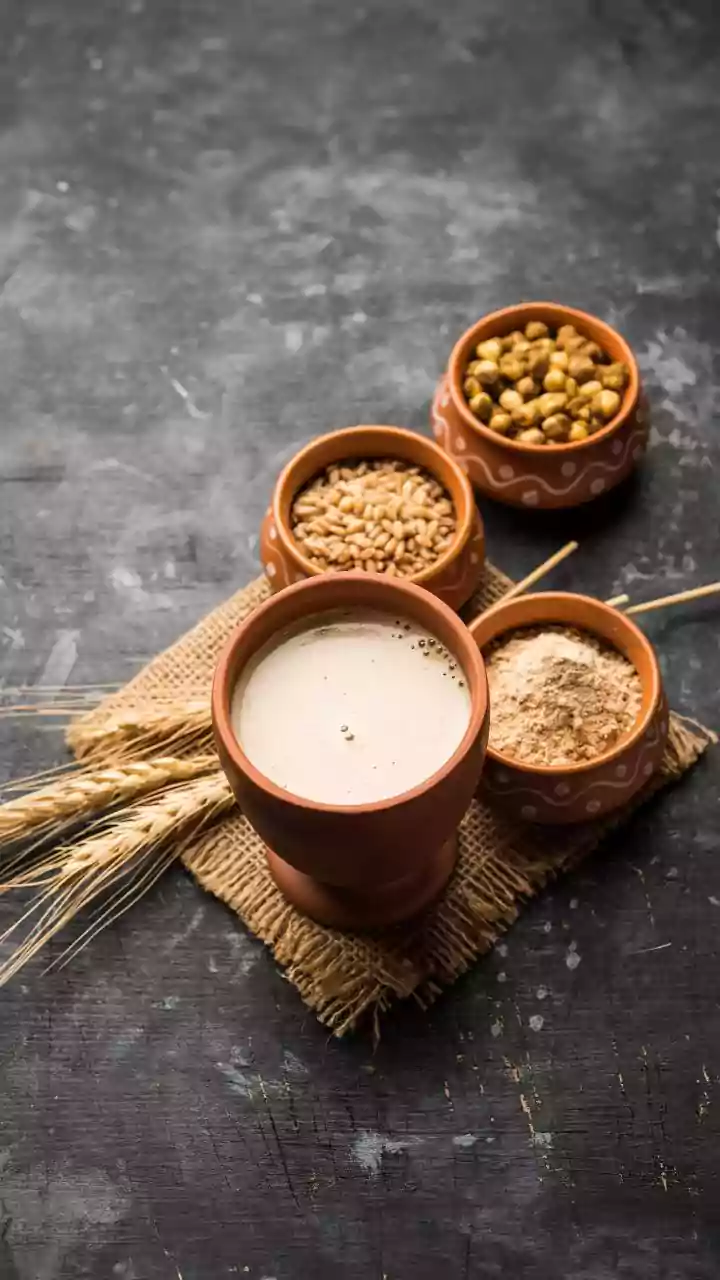
For individuals with diabetes, maintaining stable blood sugar is the top priority. Long gaps in meals followed by feasting on carb-heavy vrat foods like potatoes and sabudana can cause dangerous sugar spikes. If you choose to have coffee, avoid adding sugar. Pair your coffee with fibre and protein-rich foods that have a lower glycemic index. Good options include a handful of nuts, paneer tikka, or a small portion of sama rice pulao. Flours like kuttu (buckwheat) and singhara (water chestnut) are better choices than more refined options, as they release sugar more slowly. Always monitor your blood sugar levels regularly and never alter your medication without consulting your doctor.
Managing High Blood Pressure
People with high blood pressure need to be mindful of two things during Navratri: caffeine and salt. While many switch to sendha namak (rock salt), it's important to remember that it is still salt, and intake should be moderated. Many packaged 'vrat-friendly' snacks are high in sodium and should be avoided. Caffeine can cause a temporary spike in blood pressure. If you have hypertension, it's best to limit your coffee intake. If you do have a cup, ensure you stay well-hydrated with water, coconut water, or buttermilk throughout the day to balance any diuretic effects of the caffeine. Also, avoid heavy, fried meals, which can put a strain on your system.