





The Pursuit of Pure Cinema
For years, director Christopher Nolan has been on a mission to preserve and elevate the theatrical experience. He is a vocal champion of shooting on physical film, believing it captures light and texture in a way that digital cameras cannot. With his
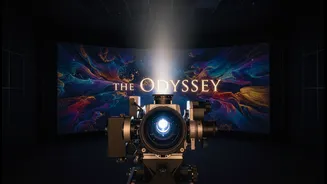
upcoming film, 'The Odyssey,' he has taken this philosophy to its ultimate conclusion: it is the first feature shot entirely on IMAX 65mm film. This commitment means the ideal way to see it is projected in IMAX 70mm, a format Nolan describes as being like “3D without the glasses,” offering unparalleled sharpness and depth that makes the screen disappear. But this dedication to artistic purity comes at a cost: extreme exclusivity.
What Is IMAX 70mm Film?
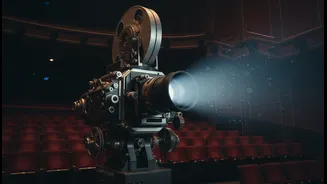
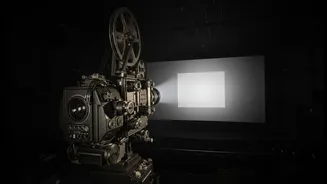
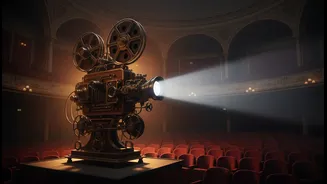
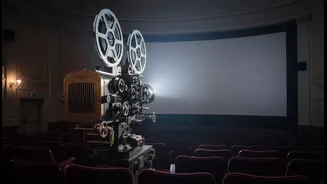
To understand Nolan's obsession, you have to understand the technology. IMAX 70mm film is the gold standard of cinema. Unlike standard film that runs vertically through a projector, IMAX film runs horizontally. This orientation allows each frame to be about ten times larger than a standard 35mm frame and three times larger than conventional 70mm. The result is a projected image with staggering detail, with a theoretical resolution equivalent to 16K or even 18K, dwarfing even the best 4K digital projectors. This format also uses a unique 1.43:1 aspect ratio, which is much taller than typical widescreen formats, designed to fill a viewer's entire peripheral vision on a massive, floor-to-ceiling screen. This creates a deeply immersive experience that simply cannot be replicated at home or in a standard cinema.
The Rarest Ticket in Town
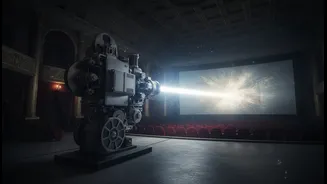
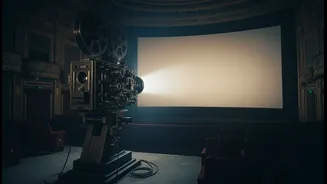
The central challenge is that the technology Nolan champions is a near-extinct species. Most cinemas worldwide switched to cheaper, more convenient digital projection over a decade ago. As a result, only around 41 theaters across the globe still have the highly specialised, mechanical 15-perf/70mm IMAX projectors required to screen 'The Odyssey' as intended. For his previous film, 'Oppenheimer,' only about 30 such venues were available. These prints are also logistical nightmares; 'Oppenheimer's' film reel was 11 miles long and weighed over 270 kg, requiring specially trained projectionists to handle and thread them. The scarcity has turned screenings into major events, with fans traveling long distances and cinemas adding middle-of-the-night showings to meet the intense demand.
Why So Few Theaters Qualify
The shortage isn't just about projectors. Many of the original parts to build and maintain these complex machines are no longer manufactured, and the institutional knowledge to operate them is held by a small group of specialists. Furthermore, a true IMAX 70mm presentation requires an auditorium built to specific dimensions with a giant, squarish screen, something most modern multiplexes were not designed for. While Nolan’s event films can justify the effort, it's not economically viable for theaters to maintain this equipment for the other 51 weeks of the year. This leaves a small network of dedicated institutional theaters, often in science museums, and a handful of commercial cinemas as the sole guardians of this analogue art form.
Is the Experience Worth the Effort?
For cinephiles, the answer is a resounding yes. Watching a film on IMAX 70mm is described as a fundamentally different, more visceral experience. The subtle film grain, the sheer scale of the image, and even the faint whir of the projector contribute to a sense of occasion that digital formats struggle to match. It’s the closest a film fan can get to a live concert for their favorite artist. While the vast majority of audiences will see a digital version of 'The Odyssey'—which Nolan ensures is created from the highest quality source material—the director's insistence on this format is about providing an ultimate, benchmark experience. It’s a statement about the power of cinema and a reward for those willing to seek it out.