








The Monsoon Skin Challenge
As humidity soars, our skin often reacts in predictable ways. The combination of heat and moisture signals oil glands to work overtime, while sweat evaporates less efficiently. This sticky environment can trap dirt and pollutants, creating a perfect storm
for clogged pores, breakouts, and fungal infections. It's no surprise that the beauty industry responds with a barrage of products promising quick fixes. Brands target these specific anxieties with compelling buzzwords, but it's crucial to look past the hype and understand what your skin truly needs.
Myth: 'Detox' Your Skin From Monsoon Grime
One of the most persistent marketing terms is 'detox'. Products with charcoal or clay claim to draw out toxins and impurities that build up during the humid season. However, dermatologists and scientists widely agree that skin detoxification is a myth. Your body has a highly efficient, built-in detox system: your liver and kidneys. These organs are responsible for filtering and eliminating waste. While the skin does excrete small amounts of waste through sweat, it is not a primary detoxification organ. Terms like 'purifying' are intentionally vague and not scientifically regulated, meaning they can be used without evidence. What these products often do is simply cleanse the surface of the skin.
Reality: Focus on Cleansing and Balance
Instead of a mythical 'detox', your skin needs consistent, gentle cleansing and balancing. During the monsoon, dermatologists recommend washing your face twice daily with a mild, pH-balanced cleanser to remove excess oil and grime without stripping the skin's natural barrier. Over-washing can backfire, causing the skin to produce even more oil to compensate. For those prone to breakouts, incorporating ingredients like salicylic acid can be beneficial, as it penetrates pores to dissolve excess sebum. The goal is not to aggressively strip the skin, but to keep it clean and support its natural barrier function against the challenges of a humid environment.
Myth: You Need Special 'Anti-Ageing' for the Rains
Another area filled with seasonal claims is anti-ageing. While humidity can actually offer some anti-ageing benefits by keeping skin hydrated and making fine lines appear less visible, brands often market specialized monsoon anti-ageing routines. The reality is that the core principles of an effective anti-ageing strategy don't change with the weather. The most common mistake people make is assuming they can skip essential steps. Rich, heavy anti-ageing creams formulated for drier climates might feel uncomfortable and clog pores in high humidity, but the solution isn't to abandon the routine altogether.
Reality: Sunscreen is Your Non-Negotiable Anti-Ageing Hero
The single most effective anti-ageing product remains sunscreen, and it is non-negotiable, even on cloudy monsoon days. A staggering 80% of harmful UV rays can penetrate cloud cover, contributing to premature ageing and pigmentation. Dermatologists universally recommend using a broad-spectrum sunscreen with an SPF of at least 30 every single day. For humid weather, lightweight, gel-based, or water-resistant formulas are more comfortable and less likely to feel greasy or clog pores. Rather than investing in a gimmicky 'monsoon serum', ensure your anti-ageing efforts are focused on this evidence-backed essential.
What Actually Works: An Evidence-Based Monsoon Routine
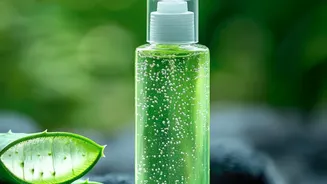
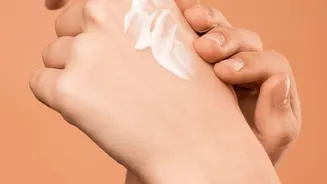
To navigate the monsoon with healthy skin, focus on a few key principles. First, don't skip moisturiser, even if your skin feels oily. Opt for a lightweight, oil-free, or gel-based moisturiser to provide hydration without adding heaviness. Ingredients like hyaluronic acid and niacinamide are excellent for this, as they hydrate and help regulate oil production, respectively. Secondly, exfoliate gently and sparingly—about once a week—to help keep pores clear without damaging your skin barrier. Finally, wear breathable fabrics and change out of damp clothes quickly to prevent fungal infections on the body.