



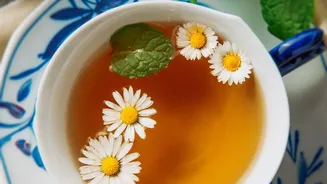

The Gentle Power of Chamomile
For centuries, chamomile has been cherished as a go-to remedy for relaxation and sleep. This delicate, daisy-like flower contains an antioxidant called apigenin, which interacts with receptors in the brain to help reduce anxiety and promote a sense of
calm. While a warm cup of chamomile tea before bed is a well-known ritual, its subtle, apple-like floral notes can bring a similar sense of peace to your baking. By infusing this gentle herb into your desserts, you’re not just adding flavour; you’re weaving in an element of tranquillity that transforms each bite into a moment of pause and comfort. It’s a simple way to make your sweet treats work a little harder for your well-being.
Nature's Golden Elixir: Honey
Honey is more than just a natural sweetener. This golden nectar has long been valued for its soothing properties. It possesses natural anti-inflammatory and antioxidant qualities that contribute to overall wellness. Some research suggests that raw honey can have calming effects and may even help the body manage stress. In the kitchen, honey is a fantastic ingredient that adds moisture and a complex, nuanced sweetness that refined sugar simply cannot match. Its ability to keep baked goods fresher for longer is an added bonus. From the light, floral notes of clover honey to the deeper, caramel tones of amber honey, different varieties can add unique character to your desserts.
Mastering the Art of Infusion
Bringing the flavour of chamomile into your desserts is a simple but delicate process. The most effective method is to infuse it into a liquid, like milk, cream, or even melted butter. Gently heat your chosen liquid with chamomile tea bags or loose-leaf flowers, then let it steep off the heat for anywhere from 20 minutes to a couple of hours, depending on the desired intensity. Once steeped, strain the liquid to remove the flowers or tea bags. This infused liquid can then be used as the base for custards, panna cottas, ice creams, and cakes. Another popular technique is to create a chamomile-honey syrup by steeping chamomile in hot water, straining it, and then dissolving honey into the warm tea. This syrup is perfect for drizzling over cakes, fruit, or yoghurt.
Tips for Baking with Honey
Swapping sugar for honey isn't always a one-to-one exchange, but a few simple guidelines can ensure success. Since honey is sweeter than sugar, you generally need less of it; a good starting point is to use about three-quarters of a cup of honey for every cup of sugar a recipe calls for. Honey also contains more moisture, so you should reduce the other liquids in your recipe by about a quarter cup for every cup of honey used. Because the natural sugars in honey can cause baked goods to brown more quickly, it’s often a good idea to lower your oven temperature by about 15°C to prevent over-browning. Finally, honey is acidic, so adding a tiny pinch of baking soda (about one-quarter teaspoon per cup of honey) can help balance it out and ensure a proper rise in your cakes and muffins.
Dessert Ideas to Get You Started
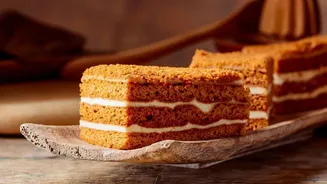
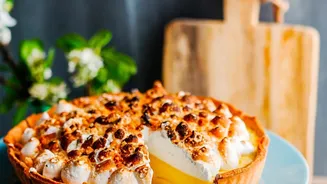
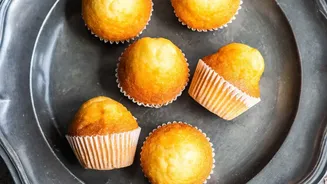
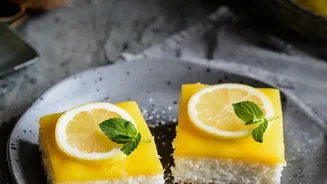
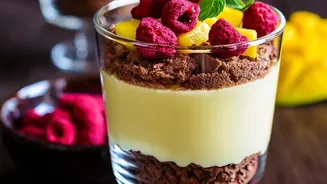
Ready to experiment? The pairing of honey and chamomile is incredibly versatile. For a truly elegant dessert, try a Honey Chamomile Panna Cotta. The creamy, wobbly custard is the perfect canvas for these delicate flavours. A simple Honey and Chamomile Shortbread is another wonderful option, where the floral notes are baked directly into the buttery biscuit. For a comforting cake, you can infuse the milk for the batter with chamomile and use honey as the primary sweetener, pairing it with complementary flavours like lemon or vanilla. Even a simple bowl of Greek yoghurt or vanilla ice cream can be transformed with a drizzle of homemade chamomile-infused honey syrup and a scattering of toasted nuts.