




The Climate Challenge
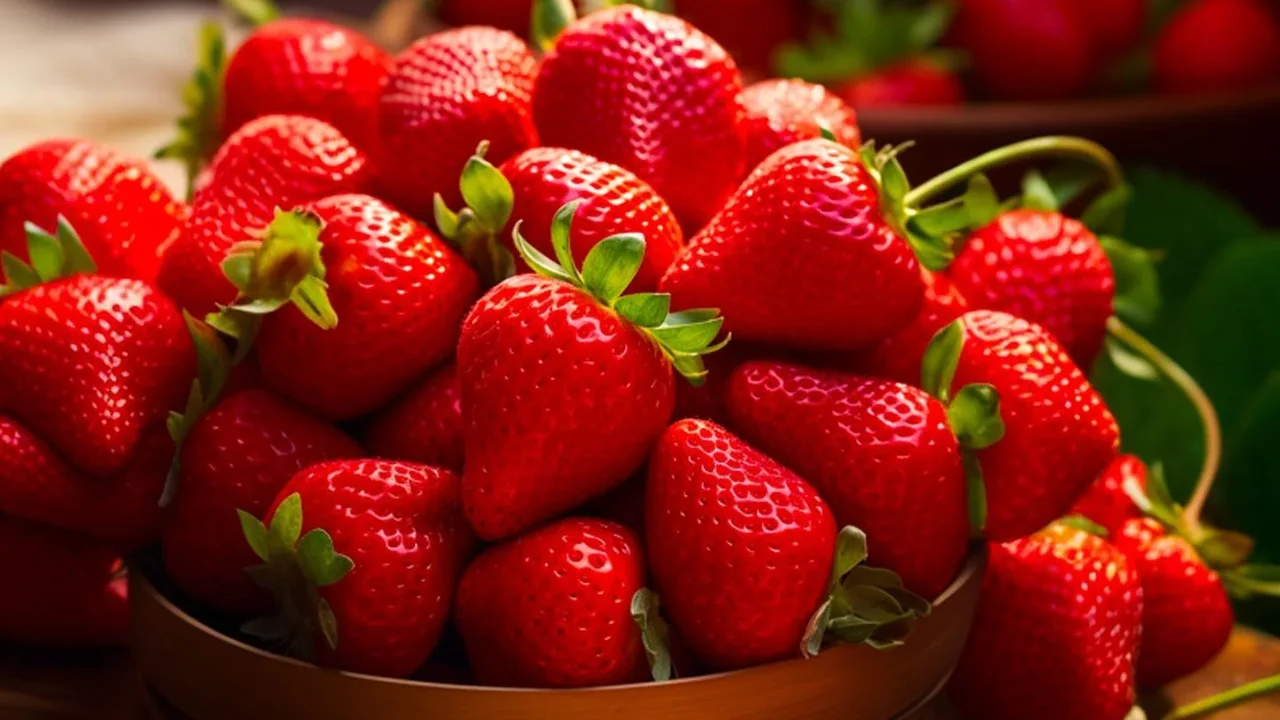
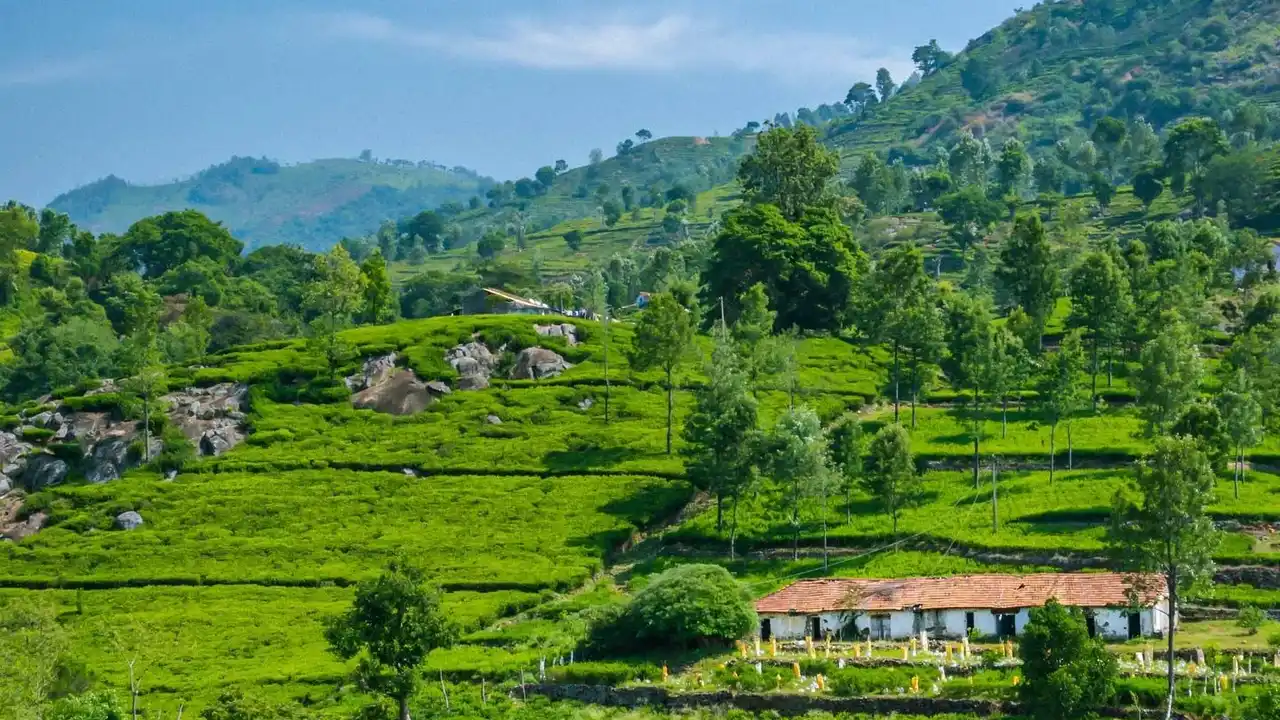
For years, the hills of Mahabaleshwar in Maharashtra have been the heartland of India's strawberry production, accounting for the vast majority of the country's harvest. But this legacy is under threat. Increasingly, farmers are grappling with the harsh
realities of climate change. Unseasonal heatwaves and erratic temperatures are wreaking havoc on the sensitive crop. Temperatures soaring to 35-36°C, well above the ideal growing range of 15-20°C, cause plants to experience heat stress. This leads to flowers withering before they can fruit, premature ripening, and smaller, less flavorful berries, resulting in significant financial losses for farmers who depend on this seasonal income. This challenge isn't unique to Mahabaleshwar; it's a snapshot of a broader issue facing Indian horticulture, where temperature-sensitive crops are early indicators of the widespread impact of a warming planet.
A New Frontier in Meghalaya
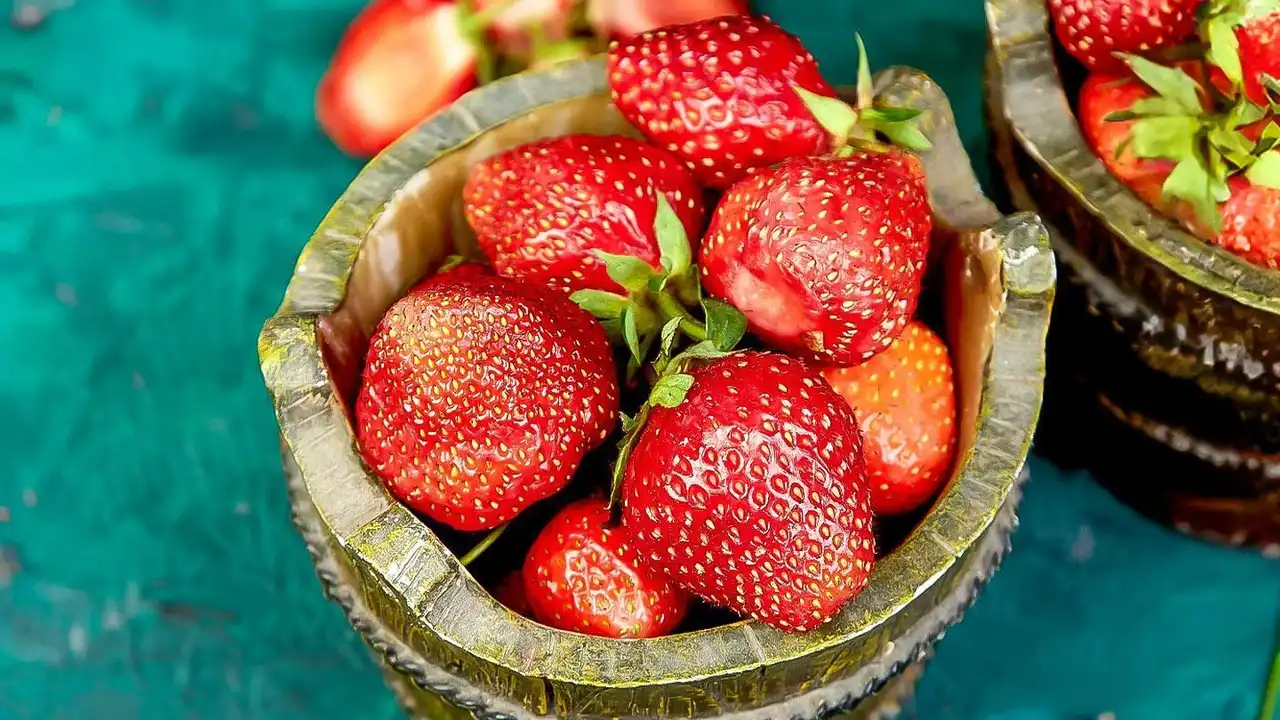
As traditional growing regions struggle, new frontiers for strawberry cultivation are emerging, driven by a different kind of indigenous effort: empowering local communities. In Meghalaya, the state's favourable cool climate and fertile soil have proven ideal for the crop. Here, the 'indigenous' aspect of the project refers to the focused effort to uplift tribal farmers and rural communities. Villages like Sohliya have transformed into hubs of strawberry production, changing the socio-economic fabric of the region. These initiatives, often supported by government bodies and research institutes, provide farmers with access to quality planting materials, hands-on training, and modern agro-technology like drip irrigation and polyethylene mulching to conserve moisture and improve yields. The success in Meghalaya showcases a model where horticulture creates sustainable livelihoods and rural employment, particularly empowering women and youth.
The Science of Survival
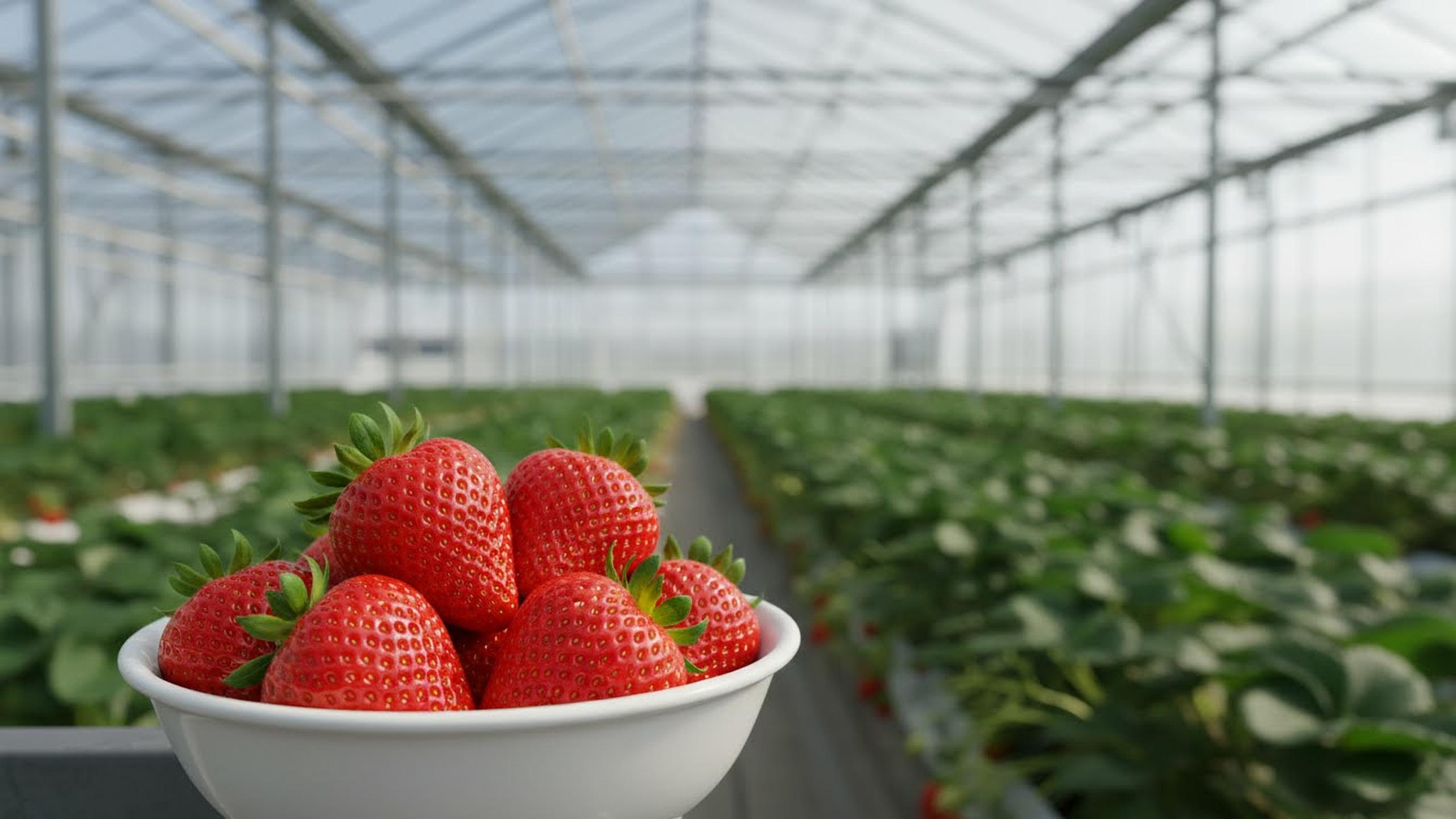
So, what makes a strawberry 'climate-ready'? The answer lies in both genetics and technology. Scientists and agricultural institutes are focused on developing and identifying strawberry cultivars that are more tolerant to heat and other environmental stressors. For example, the 'Winter Dawn' variety has shown good tolerance for higher temperatures, making it suitable for cultivation in India's plains and subtropical climates. Beyond just the plant, climate resilience involves a suite of practices known as climate-resilient horticulture. This includes protected cultivation under poly-houses to shield plants from extreme weather, efficient micro-irrigation to manage water scarcity, and improved soil management techniques. These strategies together help mitigate risks and ensure that farmers can achieve a stable and profitable harvest even as weather patterns become more unpredictable.
From Imported Plants to Self-Reliance
For decades, Indian strawberry farmers have been heavily reliant on imported planting materials from Europe and the United States, using varieties like Chandler and Camarosa. This dependency creates economic vulnerabilities and means farmers are often using plants not perfectly suited to local conditions. Recognizing this, there is a growing push towards agricultural self-reliance, or 'Atmanirbhar Bharat', in horticulture. Efforts are underway to develop India's own indigenous, climate-resilient strawberry varieties. Success in this endeavor would be a game-changer, reducing costs for farmers, enhancing crop resilience across India's diverse agro-climatic zones, and strengthening the country's food security. This shift represents a long-term strategy to build a more robust and sustainable domestic fruit industry.