
The Core Principle: Why Heat Helps
Both ginger compresses and heating pads operate on the fundamental principle of thermotherapy, or heat therapy. Applying warmth to a sore or stiff area encourages blood vessels to widen, a process called vasodilation. This increased blood flow delivers
more oxygen and nutrients to the tissues while helping to flush out metabolic waste products that can contribute to pain. Heat can also relax tense muscles, reduce stiffness, and even raise your pain threshold, making discomfort more manageable. While both methods provide heat, how they deliver it and what else they bring to the table are what set them apart.
The Conventional Choice: Heating Pads and Hot Packs
Heating pads and single-use hot packs are the modern standard for convenience. Typically, they provide a consistent, reliable source of 'dry heat'. Electric pads offer adjustable, long-lasting warmth at the flick of a switch, while chemical packs are portable and perfect for on-the-go relief. Their main function is purely thermal; they introduce heat to the body to relax muscles and increase circulation. This makes them excellent for general muscle soreness, pre-activity warm-ups, and providing sustained comfort for chronic stiffness. However, dry heat primarily warms the surface layers of the skin and can sometimes leave it feeling dehydrated.
The Herbal Approach: The Ginger Compress
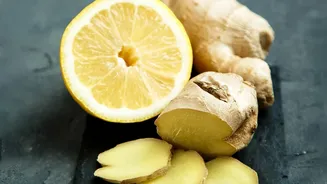
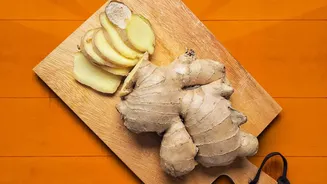
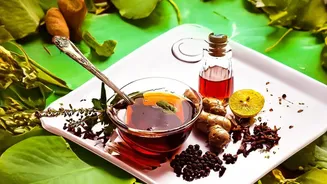
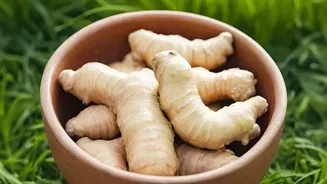
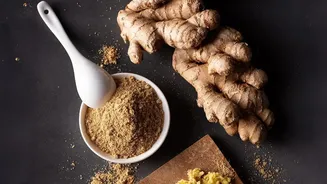
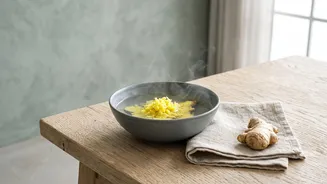
A ginger compress is a traditional remedy that involves soaking a towel in hot water infused with freshly grated ginger. This method delivers 'moist heat', which many clinicians and users find penetrates tissues more deeply and efficiently than dry heat. The key difference, however, isn't just the water. The compress aims to deliver the active compounds in ginger directly to the skin. Used for centuries in traditional practices, it's believed to do more than just warm the area; it's intended to actively address inflammation and stagnation. The process involves steeping fresh ginger in hot water, soaking a cloth, wringing it out, and applying it to the affected area.
Mechanism: Simple Heat vs. Active Ingredients
Here lies the most significant difference. A heating pad’s job is to deliver heat, period. A ginger compress is a two-pronged approach. First, it delivers penetrating moist heat. Second, it utilizes the anti-inflammatory properties of ginger. Ginger contains powerful compounds like gingerols and shogaols, which have been studied for their ability to function similarly to COX-2 inhibitors—a class of drugs used to treat pain and inflammation. When applied topically via a compress, these compounds are thought to penetrate the skin, providing a localized anti-inflammatory and pain-relieving effect right where you need it.
When to Use Each: A Practical Guide
Choosing between the two often comes down to the specific situation and the type of relief you're seeking. Use a Heating Pad or Hot Pack for: - Convenience and Speed: When you need quick, easy, and sustained warmth without any prep work. - General Muscle Tightness: Ideal for a stiff back after a long day at a desk or for soothing overall muscle fatigue. - Chronic, Low-Level Stiffness: The consistent, gentle heat can be worn for longer periods to manage ongoing stiffness. Consider a Ginger Compress for: - Inflammatory Conditions: For issues like arthritis, bursitis, or menstrual cramps, where reducing inflammation is as important as soothing pain. - Deep, Stubborn Aches: The combination of moist heat and ginger's circulatory-stimulating properties is thought to help break up deep tension and stiffness. - Acute, Localized Pain: It can be particularly effective for joint pain, backaches, and even toothaches.
Safety and Important Considerations
Neither method is without risks if used improperly. With any heating pad, there is a risk of skin burns, especially if used on a high setting for too long or if you fall asleep with it on. Always follow the manufacturer’s instructions. A ginger compress requires careful preparation to avoid scalding yourself with the hot water. Test the towel’s temperature on a less sensitive area, like your forearm, before applying. Furthermore, some people may experience skin irritation from the topical application of ginger. It's also worth noting that due to ginger's blood-thinning properties, those with bleeding disorders or on anticoagulant medication should exercise caution.