




Breaking the Workout Rut
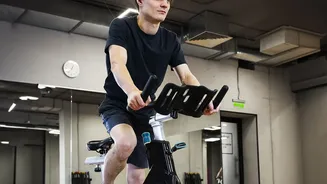
We’ve all been there: the initial burst of motivation for a new fitness plan fades, and the daily treadmill run or stationary bike session starts to feel like a chore. This feeling of monotony is a major reason why up to half of all people who start a new exercise
program drop out within a few months. When a workout is repetitive, the brain can become disengaged, and your body’s feelings of fatigue and strain take center stage. The good news is that the solution might be as simple as pressing 'play' and adding some structured movement to your routine. By shifting the focus from enduring the exercise to enjoying the experience, you can fundamentally change your relationship with fitness.
The Brain on Music
Music has a scientifically proven power to transform exercise. Studies show that listening to music, especially tunes you enjoy, can lower your rate of perceived exertion by up to 10%. Essentially, the beat distracts your brain from feelings of fatigue, allowing you to push further and last longer. This isn't just a placebo effect; music stimulates the release of mood-boosting neurochemicals like dopamine and endorphins, which can reduce stress and anxiety. The tempo also plays a crucial role. Matching your movement to a consistent beat, ideally between 120-140 beats per minute (BPM) for moderate activity, can help regulate your pace, improve movement efficiency, and increase overall endurance.
More Than Just Moves
While music provides the soundtrack, choreography provides the script that engages your mind. Learning and executing a sequence of moves is a workout for your brain as much as your body. This process challenges and improves cognitive functions like memory, focus, and multitasking. Following choreography requires you to process timing, rhythm, and spatial awareness all at once, building strong mind-body connections. Research indicates that this kind of activity stimulates neuroplasticity, which is the brain's ability to form new neural pathways. This not only enhances coordination and balance but can also support long-term cognitive health, with some studies suggesting dance is associated with a reduced risk of dementia.
Putting It All Together
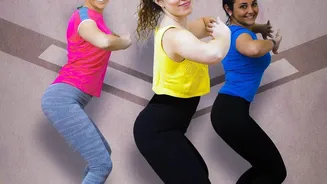
The real magic happens when music and choreography work in synergy. Synchronizing your movements to the rhythm of a song creates a state of 'flow,' where the activity feels more effortless and enjoyable. This combination of mental engagement and physical effort makes you less aware of the discomfort, allowing your endurance to build almost as a side effect. Classes like Zumba, dance aerobics, and even choreographed cycling sessions are designed around this principle. They turn exercise into a form of self-expression and community engagement, which fosters consistency. Learning these routines builds a 'movement vocabulary,' improving your physical confidence and making daily tasks that require coordination feel easier.
Where to Find Your Rhythm
You don't need to be a professional dancer to reap these benefits. The options are more accessible than ever. Look for group fitness classes at local gyms or community centers that are music-driven, such as dance fitness, cardio funk, or even aqua aerobics. Many online platforms offer a vast library of choreographed workouts you can do from home. You can also create your own routines. Try designing a simple sequence of movements—like grapevines, jumping jacks, and knee lifts—and perform them to a favorite, high-energy playlist. The goal is to keep your mind active and your body moving to the beat, transforming your workout from a repetitive task into a rewarding performance.