




Why Build a Second Starbase?
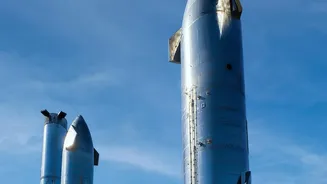
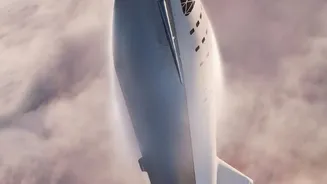
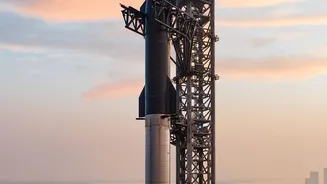
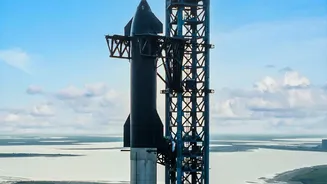
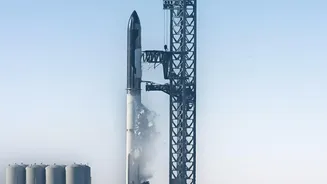
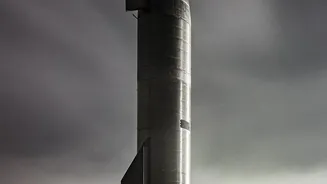
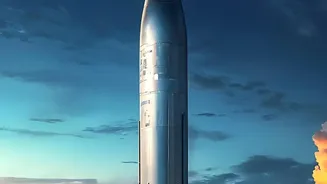
SpaceX's ambitions for Starship—powering its Starlink internet constellation, enabling NASA's Artemis moon missions, and eventually colonizing Mars—require an unprecedented number of launches. The current Starbase facility in Boca Chica, Texas, while
groundbreaking, is fundamentally a research and development site that has been upgraded for orbital missions. It was not originally designed for the sheer industrial scale of launching thousands of rockets annually. Launch trajectory options from Texas are also limited, restricting the orbits Starship can efficiently reach. To transform Starship from a prototype into a routine space transportation system, SpaceX needs more launch pads, more production capacity, and more logistical freedom. Starbase Louisiana is the answer to that bottleneck, designed from the ground up for mass operations.
An Unprecedented Launch Cadence
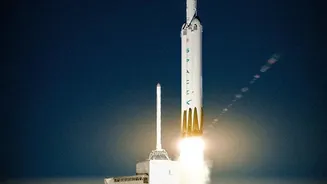
The plans for Starbase Louisiana center on a launch rate that redefines the economics of space travel. While official company materials project "thousands of launches per year," CEO Elon Musk has been more specific, stating a goal of over 30 Starship flights per day from the site. This equates to more than 10,000 launches annually from Louisiana alone. To put that into perspective, the entire global space industry currently conducts only a few hundred orbital launches per year combined. This dramatic increase is what's needed to build out a massive Starlink satellite network and assemble the fleets of orbital tankers required for missions to the Moon and Mars. The facility's design is a direct reflection of this goal, moving rocket launches from a bespoke event to an assembly-line process.
Designed for Industrial Scale
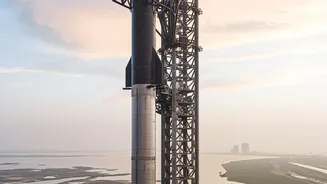
Achieving such a high flight rate requires a completely different approach to launch infrastructure. Starbase Louisiana is planned to be a self-sustaining industrial complex on its vast 125,000-acre site in Vermilion Parish. The initial plans call for five launch complexes, each with two launch pads, for a total of ten pads—with Musk suggesting it could eventually grow to over a dozen. But the pads are only part of the equation. The site is also designed to include its own propellant production plant to convert natural gas into liquid methane fuel, its own power generation, a deep-water port for transporting Starship components, vehicle processing facilities, and even an airport. By co-locating all these critical functions, SpaceX aims to eliminate the logistical hurdles that currently limit how quickly a rocket can be launched, refurbished, and launched again.
The Path Forward: Hurdles and Timelines
Despite the grand vision, Starbase Louisiana is still years from its first launch. Construction is slated to begin in 2027, with the first Starship flight targeted for 2029. The project faces significant regulatory and environmental reviews, particularly given its location in Louisiana's sensitive coastal marshlands. SpaceX has committed to extensive environmental protection and shoreline restoration efforts as part of the development, acknowledging the need to reinforce the coastline against erosion. The project is also expected to be a massive economic driver for the region, with projections of creating at least 3,000 direct high-paying jobs and thousands more indirect roles. Ultimately, the success of the Louisiana site hinges on SpaceX first achieving routine, reliable, and fully reusable Starship flights from its existing sites in Texas and Florida.