






The Legend of the NASA Study
The popular belief that houseplants are air-purifying powerhouses can be traced back to a 1989 NASA study. Researchers, looking for ways to clean the air in sealed space stations, placed various common houseplants in small, airtight chambers and injected
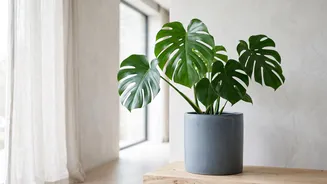
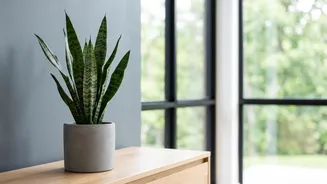
volatile organic compounds (VOCs) like benzene and formaldehyde. The results were promising: some plants were able to remove a significant percentage of these pollutants from the sealed environment. Plants like the peace lily, spider plant, and English ivy became famous overnight as must-haves for a healthy home. This single study sparked a decades-long trend, positioning the humble houseplant as an essential wellness tool.
From Sealed Lab to Living Room
Here’s where the popular narrative begins to wilt. The NASA experiments were conducted in small, sealed lab chambers—a far cry from a typical home or office. Our living spaces have much larger volumes of air and are constantly subject to ventilation, whether through open windows, doors, or HVAC systems. This process, known as air exchange, dilutes pollutants much faster than plants can absorb them. Subsequent analysis and reviews of the research have concluded that the effect of plants in a real-world setting is minimal. To achieve the same level of air cleaning demonstrated in the lab, you would need an impractically large number of plants—some estimates suggest anywhere from 10 to 1,000 plants per square meter. That’s less like a home and more like a dense, indoor jungle.
The Real, Proven Benefits
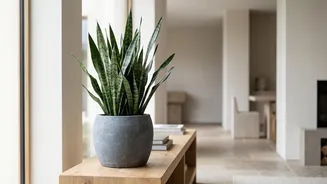
This doesn't mean you should give up on your green friends. While their air-purifying abilities may be overstated, the psychological benefits of having plants are well-documented. Studies have shown that interacting with indoor plants can lower stress levels by reducing cortisol, the body's stress hormone. The presence of greenery can also help improve focus, concentration, and overall mood. The simple act of caring for a plant—watering it, watching it grow—can provide a sense of purpose and fulfillment. A review of dozens of studies confirmed that being around plants improves both mental and physical health, making them a valuable addition to any indoor space, just not for the reasons you might have thought.
What Actually Cleans Your Air?
If you're genuinely concerned about indoor air quality, a few potted plants won't be a magic solution. The most effective strategies are much more direct. The first is source control: reduce the number of pollutants you bring into your home. This can mean choosing low-VOC paints, furniture, and cleaning products. The second, and most effective, method is ventilation. Simply opening your windows to allow for air exchange is a powerful way to clear out indoor pollutants. For those in areas with high outdoor pollution or for people with allergies, a high-quality air purifier with a HEPA filter is far more effective at removing airborne particles and VOCs than any number of houseplants. These devices are specifically engineered to trap contaminants and circulate clean air, doing the job on a scale that plants simply cannot match.