






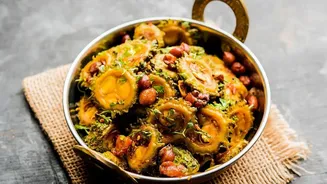
Beyond the buzz of fleeting food trends lies a quieter, more profound movement. A growing number of chefs and home cooks across India are looking past the hype and into the woods, finding authentic flavour in wild herbs, leaves, and seasonal produce.
More Than a Fleeting Fad
In a world saturated with culinary buzzwords like 'farm-to-table' and 'hyper-local', it’s easy to be sceptical. Yet, the turn towards forest ingredients in India feels different. This isn’t about chasing novelty for a tasting menu; it’s a return to the source. Chefs and food advocates are realising that the most authentic flavours are often those that have been growing in our backyards for centuries. This movement is about reconnecting with food at its most fundamental level, celebrating ingredients that indigenous and agrarian communities have known for generations. Rather than inventing something new, it’s about giving a platform to the old, spotlighting the incredible biodiversity of India's forests and the traditional wisdom that has always known how to use it.
Pioneers of the Wild Plate
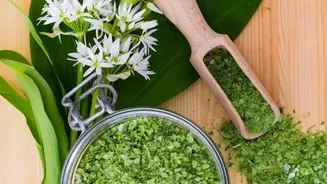
Several visionary chefs are leading this charge, building their menus around the philosophy of foraging and seasonal eating. Vanika Choudhary, founder of Mumbai's fine-dining restaurant Noon, is a prominent voice in this space. Her work focuses on preserving and highlighting precious ingredients that rarely enter the mainstream dining scene, from Kashmiri morels to Ladakhi herbs like skotse, a type of wild garlic. Similarly, chefs like Prateek Sadhu at NAAR in Himachal Pradesh and others who have worked with organisations like OOO Farms are championing produce foraged from regions like the Western Ghats. These culinary leaders are not just creating dishes; they are reviving forgotten practices and ensuring that the knowledge held by local communities finds a new, appreciative audience.
A Taste of the Forest
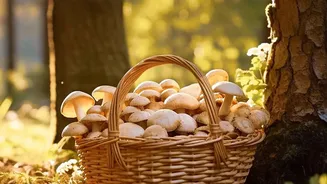
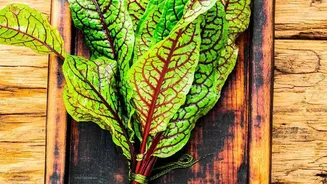
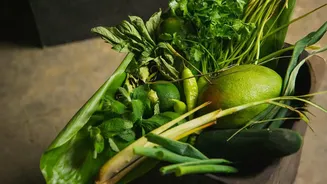
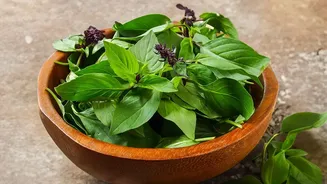
The stars of this movement are the ingredients themselves. Take the Mahua flower, a traditional forest food from central India known for its honey-like sweetness. For generations, it has been used by tribal communities in everything from porridges to sweets. Today, chefs are exploring its versatility, using it as a natural sweetener that adds a unique floral depth to modern dishes. Then there are Fiddlehead ferns, known as lingri or lingad in the Himalayas. These tightly coiled young fern shoots, harvested for a short window in spring, offer a crisp texture and an earthy flavour, often enjoyed as a vegetable or a tangy pickle. From wild mushrooms and sea purslane in the Western Ghats to unique greens like takla, these ingredients bring stories and a true taste of the landscape to the plate.
Rooted in Ancient Wisdom
What modern chefs are popularising as a conscious culinary choice has been a way of life for India's indigenous communities for centuries. Foraging was never a trend but a fundamental part of their food systems, deeply connected to the seasons and local ecosystems. These communities hold the original knowledge of what to pick, when to pick it, and how to prepare it. The revival of interest in foraged foods is also shining a light on this invaluable traditional wisdom. Many chefs and organisations are now working directly with these communities, ensuring that credit is given where it is due and that the commercial use of these ingredients also benefits the people who have been their custodians for generations.
Foraging with Responsibility
As the popularity of wild ingredients grows, so does the responsibility to harvest them sustainably. The goal is to celebrate abundance, not to exploit it. Mindful foraging means understanding the local ecosystem, taking only what is plentiful, and ensuring the plant populations can regenerate. Chef Radhika Khandelwal, a food security activist, emphasizes that “not everything edible should be taken.” This ethical approach stands in stark contrast to commercial trends that can quickly deplete natural resources. The key is to build relationships with local foragers and farmers, creating a system that supports both biodiversity and the livelihoods of the communities who depend on these forests. It’s a win-win deal: chefs get access to incredible, unique produce, and the communities gain an economic incentive to preserve their traditional knowledge and the natural environment.