



A Global Celebration of Space
Declared by the United Nations in 1999, World Space Week commemorates two pivotal moments in history: the launch of the first human-made satellite, Sputnik 1, on October 4, 1957, and the signing of the Outer Space Treaty on October 10, 1967. It has since
grown into the largest annual space event on Earth, with thousands of activities in over 95 nations designed to inspire students, educate the public, and foster international cooperation. This year, events range from model rocket launches for students to high-level expos at places like the Kennedy Space Center, featuring major industry players such as NASA, Blue Origin, and Lockheed Martin. In India, ISRO centres are organizing extensive outreach programs, including lectures and presentations for students across Kerala.
The New Space Race Is Commercial
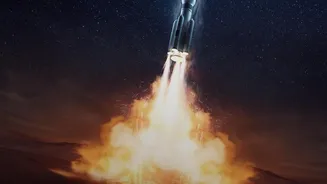
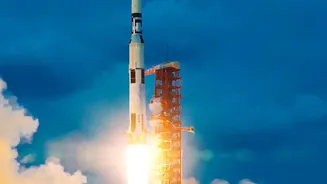
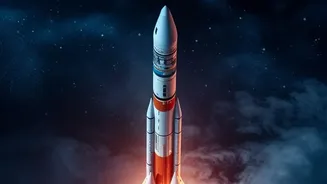
The theme 'Rocket Revolution' perfectly captures the current era. Unlike the Cold War space race, which was driven by geopolitical rivalry between two superpowers, today's race to the stars is fueled by economics. The global space economy was valued at over $468 billion in 2026 and is projected to surpass $646 billion by 2030. This explosive growth is driven by private companies. Once the exclusive domain of national agencies, access to space is now a service that can be bought by startups, universities, and research firms. This transition has been made possible by a dramatic fall in launch costs, a change led by innovations in rocketry.
Reusable Rockets and Radical Innovation
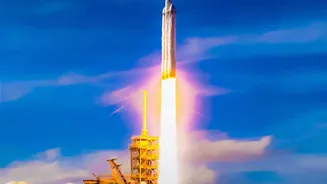
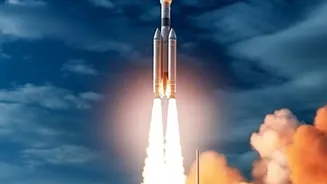
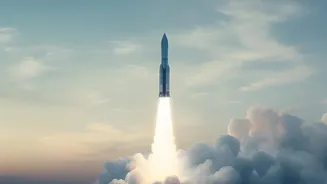
The cornerstone of the rocket revolution is reusability. Companies like SpaceX have fundamentally altered the economics of spaceflight by developing rockets whose most expensive components can fly back to Earth, land themselves, and be prepared for another launch. This has slashed the cost of reaching orbit. The success of this model has spurred intense competition, with new launch vehicles from a range of commercial players entering the market. This isn't just about making launches cheaper; it's about making them more frequent. The increased launch cadence enables the deployment of massive satellite constellations for broadband internet and creates unprecedented opportunities for everything from in-orbit manufacturing to space tourism.
India's Ascent in the Commercial Cosmos
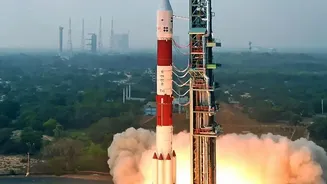
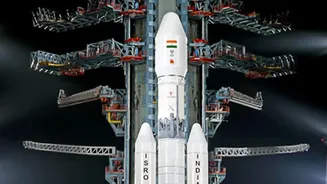
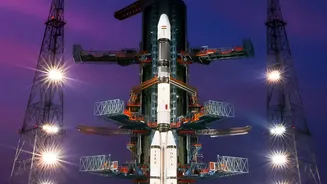
India is rapidly emerging as a key player in this new commercial landscape. As of August 2026, the country is home to around 440 registered space startups, a massive jump from just one in 2014. This boom is backed by significant policy reforms, including the Indian Space Policy 2023 and the creation of IN-SPACe, a single-window agency to promote and authorize private space activities. These initiatives are designed to transition ISRO's role from being the sole operator to a guide and enabler, focusing on cutting-edge research while private firms handle more routine launches and satellite manufacturing. As a result, private investment has surged, and Indian startups are now developing their own launch vehicles and satellite constellations, with Skyroot Aerospace becoming the first private Indian company to reach orbit in 2026.
Beyond the Launchpad: A Sustainable Future
The rocket revolution is enabling a vast downstream economy. While launch services are critical, the real long-term value lies in what we do once we're in orbit. This includes satellite communications, Earth observation for agriculture and climate monitoring, and advanced geospatial analytics. However, this rapid expansion brings challenges, most notably the issue of space sustainability. With tens of thousands of satellites and debris objects already in orbit, ensuring a safe operating environment is crucial. Recognizing this, India has committed to debris-free missions by 2030, and nations and companies worldwide are developing technologies for satellite servicing and responsible end-of-life disposal, ensuring the new space economy is a lasting one.