





A Sudden Drop, A Stark Reminder
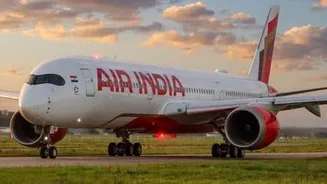
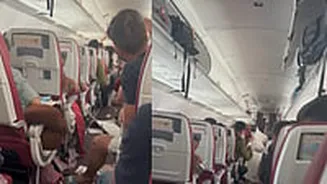
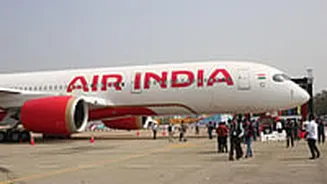
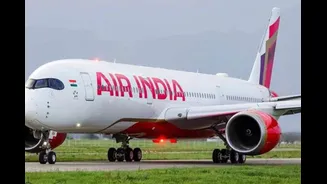
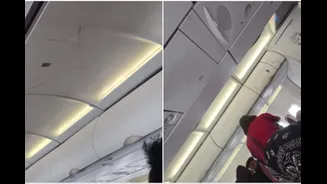
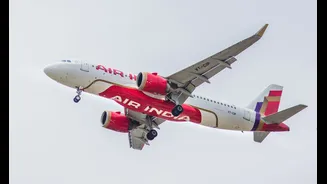
On August 4, 2026, Air India flight AI2379 from Phuket to Delhi was cruising smoothly when it encountered a pocket of severe clear-air turbulence. The aircraft reportedly experienced a sudden drop, causing chaos in the cabin. Passengers and crew who were
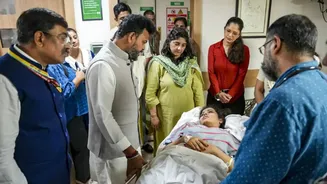
not secured in their seats were thrown against the ceiling, resulting in injuries ranging from bruises to head and back injuries. In total, 17 people, including passengers and crew, required medical evaluation after the plane landed safely in Delhi. Passenger accounts describe a terrifying few seconds where people and objects were tossed around the cabin, with one passenger stating they thought they would die. This event is the latest in a series of incidents highlighting that significant turbulence can strike without any warning at all.
The Invisible Danger: Clear-Air Turbulence
What makes incidents like the one on the Air India flight so dangerous is that they are often caused by Clear-Air Turbulence, or CAT. Unlike the turbulence associated with thunderstorms or heavy clouds, which weather radar can often detect, CAT is virtually invisible. It occurs in cloudless, clear skies when bodies of air moving at vastly different speeds meet, creating chaotic motion. This phenomenon is most common at high altitudes, especially near the jet stream—the fast-flowing air currents that planes often use to fly more efficiently. Because there are no visual cues, pilots and crew may have no time to provide a warning before the plane is affected. The seatbelt sign might be off and the flight perfectly smooth one moment, and the next, the aircraft could be experiencing severe jolts.
Why the Seatbelt Light Is Not Enough
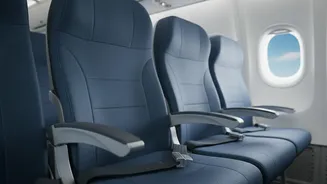
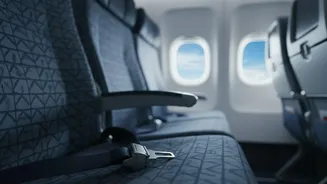
The illuminated seatbelt sign is a command, not a suggestion. But when it's off, many passengers assume the risk has passed. Aviation experts stress this is a dangerous misconception. The seatbelt sign is turned on when pilots anticipate turbulence based on weather forecasts, radar, or reports from other aircraft. It is a proactive measure for expected rough air. However, the inability to predict all forms of turbulence, especially CAT, means the absence of the light does not guarantee a smooth ride. The most serious injuries from turbulence almost always happen to people who are not buckled in. As the Federal Aviation Administration (FAA) and other global aviation bodies consistently advise, your seatbelt is the single most effective defense against turbulence-related injuries.
A Pilot's Simple Request
Ask any pilot or flight attendant, and their advice is unanimous: if you are in your seat, your seatbelt should be on. Pilots are required to wear their belts whenever they are seated, and they advocate the same for passengers. They are trained to handle turbulence and modern aircraft are built to withstand even severe conditions, but they cannot stop the laws of physics inside the cabin. An unbuckled person becomes a projectile. Flight crews understand that the primary reason for in-flight injuries is not plane failure, but passengers being thrown about the cabin. Their simple, consistent request is to keep the belt fastened—even loosely for comfort—throughout the flight. It’s a small habit that can prevent serious harm.
Simple Habits for Safer Skies
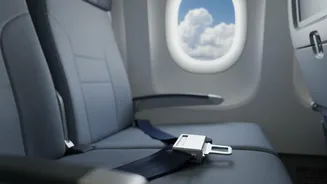
Adopting a safer mindset is easy. First, make it a habit to fasten your seatbelt as soon as you sit down and keep it on, even if the light is off. For it to be effective, it should be worn low and tight across your hips, not your stomach. If you prefer more comfort during a long flight, you can loosen the strap slightly, but ensure it remains fastened. When the seatbelt sign does illuminate, take it seriously and ensure your belt is secure immediately. It's also wise to keep heavy items like laptops stowed in the overhead bin or securely under the seat in front of you, as these can become dangerous projectiles during severe turbulence. Following crew instructions without delay is paramount; their primary role on any flight is to ensure your safety.