





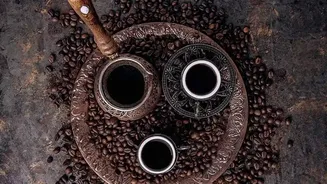


The Psychology of Bitter Tastes
One of the most intriguing layers behind our coffee perceptions lies in psychology. Studies have explored the link between taste preferences and personality traits, and the findings are fascinating. Research published in the journal 'Appetite' found that
a preference for bitter tastes, like that of black coffee, can be correlated with certain personality traits. While some sensational headlines have linked this to malevolent traits like psychopathy, the reality is more nuanced. The core idea is that an appreciation for bitterness can be associated with those who are more direct, straightforward, and perhaps less swayed by a need for comfort. People who prefer black coffee are often described as purists, minimalists, and disciplined individuals who value efficiency. They appreciate the unadulterated flavour, which can reflect a personality that is patient, no-nonsense, and maybe even a bit resistant to change.
A Beverage Steeped in Work Culture
The association of coffee with seriousness is deeply rooted in history. Before coffee became widespread in Europe, the common morning beverages were often beer or wine, neither of which is ideal for a productive workday. When coffeehouses emerged in the 17th and 18th centuries, they became hubs of intellectual exchange and business. This new drink sharpened focus and energized its drinkers, cementing its role as the fuel of industry and intellect. The introduction of the eight-hour workday further solidified coffee’s importance as an essential tool for performance. With the invention of automatic coffee machines in the 1950s, the "coffee break" became an official part of office culture, designed to boost productivity. This long history has culturally coded black, strong coffee as the drink of ambition, focus, and achievement—the serious person's tool for getting things done.
Sweetness, Comfort, and Social Connection
In contrast, sweetened and milky coffees carry a different set of cultural meanings. The addition of milk, sugar, and syrups softens the bitter edge of coffee, creating a sensory experience associated with comfort, warmth, and relaxation. Psychologically, these drinks are often framed as treats or indulgences, blurring the line between a functional beverage and a dessert. This isn't a negative thing; in fact, preferences for sweeter tastes are sometimes linked to more sociable, agreeable, and people-pleasing personalities. A latte or a cappuccino is often seen as a more social drink, designed for conversation and connection rather than solitary focus. While a black coffee might say "I'm here to work," a flavored latte can signal "I'm here to relax and enjoy myself." This perception is amplified by generational trends, with younger consumers often embracing elaborate, customized, and sweeter coffee creations as a form of personal expression.
The Signal of the Purist
Choosing black coffee can also be a form of social signaling, whether conscious or not. In a world of endless modifications—oat milk, extra shots, flavored syrups—ordering a simple black coffee sends a clear message of purism. It suggests an appreciation for the coffee bean itself, unmasked by other flavors. This aligns with a minimalist mindset, where value is placed on simplicity and authenticity. People who drink black coffee may be seen as confident and decisive, with a no-nonsense attitude that prioritizes function and quality over frills. A recent poll found that one in three American coffee drinkers admit to judging others based on their coffee preferences, which shows how deeply these signals can be felt. Ultimately, a black coffee order can communicate a desire to be seen as a connoisseur who prefers the straightforward, classic, and 'serious' version of things.