



An Interplanetary Treasure Hunt
The Mars Sample Return (MSR) mission is a multi-stage, international effort designed to do something never done before: collect rock, soil, and atmospheric samples from Mars and bring them to Earth for study. The first phase is already underway, with
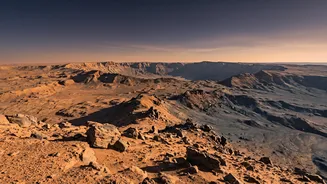
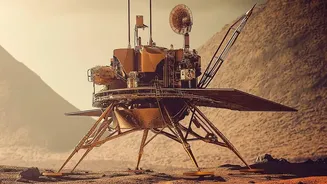
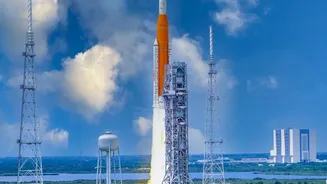
the Perseverance rover drilling and storing scientifically compelling core samples in Jezero Crater, an ancient lakebed that may hold clues about past life. The plan involves a Sample Retrieval Lander touching down, deploying helicopters to collect the samples left by Perseverance, and then launching them into Mars orbit via a Mars Ascent Vehicle (MAV). Finally, a European Space Agency (ESA) orbiter will capture this precious cargo and begin the long journey home.
The Challenge of Confirmation
While the 2033 arrival date generates excitement, it is far from guaranteed. The entire campaign faces a rigorous confirmation review, a standard but critical process where NASA evaluates a mission's technical feasibility, cost, and schedule. An Independent Review Board (IRB) has already expressed significant concerns about the MSR program's budget, which has been estimated at between $8 billion and $11 billion, and a potentially slipping timeline. The review's outcome will determine the mission's final design, budget, and schedule. This intense scrutiny is necessary for a mission of this complexity, which involves multiple firsts, including the first rocket launch from another planet and the first robotic rendezvous in Mars orbit.
More Than Just Red Rocks
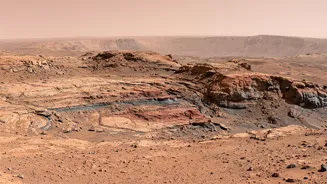
The mission's focus on 'real-world use' is a key justification for its immense cost and complexity. Bringing samples to Earth allows scientists to use sophisticated, state-of-the-art instruments that are too large and complex to send to Mars. This could revolutionize our understanding of how rocky planets form, how Mars' climate changed so drastically, and, most profoundly, whether life ever existed there. By studying Martian geology, we can gain insights into the early history of our own solar system, as Mars has preserved ancient rocks that have long been erased on Earth by geological activity. This data will help refine our models for dating planetary surfaces across the entire solar system.
Paving the Way for Future Explorers
Beyond the immediate scientific returns, the Mars Sample Return mission is a crucial stepping stone for future human exploration. The technological hurdles that must be overcome—such as autonomous rendezvous, precision landing, and launching from another planet—are the same challenges that must be solved before sending astronauts to Mars. Successfully completing this robotic mission will significantly reduce the risks for future human missions. Furthermore, analyzing the returned samples will provide vital information about the Martian environment, including potential hazards in the dust and soil that could affect the health of human explorers. It serves as a pathfinder, testing critical capabilities and providing ground-truth data essential for planning a sustained human presence on the Red Planet.