







The Core of the Allegations
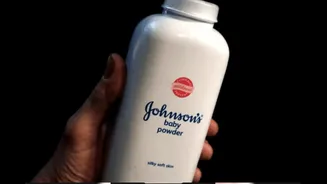
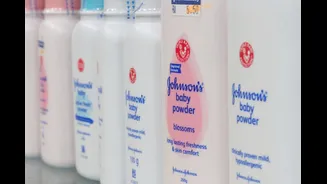
The fundamental reason the lawsuits continue is that they are not about the new cornstarch powder. Instead, the litigation centers on the original talc-based product sold for over a century. Plaintiffs in nearly 70,000 active lawsuits allege that J&J's
talc was contaminated with asbestos, a known carcinogen. They claim that long-term use of this allegedly contaminated powder led to serious health issues, most notably ovarian cancer and mesothelioma, a rare cancer linked to asbestos exposure. J&J has consistently maintained that its talc is safe, does not contain asbestos, and does not cause cancer, citing decades of scientific analysis. However, the sheer volume of claims from consumers who used the product for years and later developed cancer forms the basis of this massive legal fight.
A Switch for the Future, Not the Past
Johnson & Johnson framed its global transition to cornstarch, completed in 2023, as a "commercial decision" driven by evolving consumer trends, demand, and what it called "misinformation" about the talc product's safety. The company had already stopped selling talc-based powder in the U.S. and Canada in 2020. While this move protects the company from future claims related to new products, it does nothing to address the allegations of harm from past exposure. Legal liability is based on the product that was sold and used for decades. Diseases like ovarian cancer can have long latency periods, meaning a diagnosis can occur many years after exposure to a potential carcinogen. Therefore, people who used talc-based powder years or even decades ago are still coming forward with lawsuits, making the product's reformulation irrelevant to their existing claims.
J&J's Controversial Legal Strategy
Rather than fighting each case individually, J&J has pursued a controversial legal strategy to manage its massive liability. The company attempted a maneuver known as the "Texas two-step," creating a subsidiary called LTL Management, transferring all its talc-related liabilities to it, and then placing that subsidiary into bankruptcy. The goal was to halt the thousands of individual lawsuits and force all claimants into a single bankruptcy settlement, which would likely be far smaller than what could be won in jury trials. However, federal courts have rejected this strategy multiple times, ruling that the subsidiary was not in financial distress and the bankruptcy was filed in bad faith. These failed attempts have prolonged the litigation, leaving tens of thousands of plaintiffs waiting for resolution.
The Current State of Play: A Massive Settlement on the Table
With its bankruptcy strategy thwarted, J&J has returned to the negotiating table. In late July 2026, the company proposed a $5.5 billion settlement to resolve the nearly 70,000 remaining ovarian cancer claims. This proposal aims to bring an end to the majority of the pending litigation. The settlement, however, is not a done deal; it is conditioned on getting at least 95% of the plaintiffs to agree to the terms. While J&J continues to assert that the claims lack scientific merit, it stated the resolution would allow the company to put the issue behind it. Plaintiffs' lawyers have framed it as a step toward providing long-awaited relief to victims after more than a decade of legal battles.