



The Frozen Vegetable Dilemma
Frozen vegetables are a modern kitchen marvel—picked and flash-frozen at peak ripeness, locking in nutrients and flavour. They promise convenience and a shortcut to a healthy meal. Yet, they often end up as a watery, mushy mess. The common mistake is treating
all frozen vegetables equally. The two most common culprits, peas and broccoli, have fundamentally different structures and require completely different approaches to coax out their best texture and taste. Understanding why is the key to transforming them from a soggy side dish into a highlight of your meal.
Understanding the Pea: Small and Delicate
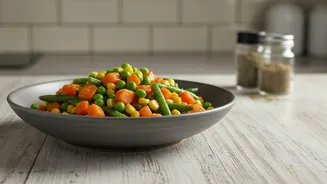
Think of a frozen pea. It’s small, with a high sugar content and a thin skin. Because they are blanched before freezing, they are already partially cooked. Their primary enemy is overcooking, which happens in a flash. Long exposure to heat, especially in water, turns their natural sweetness into a starchy memory and their vibrant pop into a dull mush. The goal with frozen peas is minimal intervention; you essentially just need to heat them through quickly. They contain enough of their own water, so adding more is often a mistake.
The Perfect Method for Peas
The best ways to cook frozen peas involve quick, direct heat and very little, if any, added water. A quick sauté in a hot pan with a bit of butter or oil for 5-7 minutes is perfect. The peas will release their own water to steam themselves, and once that evaporates, they’re done. Alternatively, you can steam them for just 2-3 minutes over boiling water. Even microwaving can work if done correctly: place them in a bowl without water, cover loosely, and heat for a couple of minutes until just warmed through. The rule is simple: get them hot, fast, and then get them on the plate.
Understanding Broccoli: Hardy and Porous
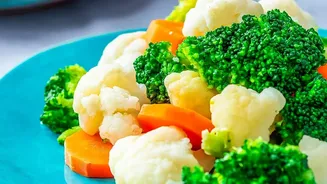
Frozen broccoli is a different beast entirely. Its florets have a more complex, fibrous structure. When frozen, ice crystals form and damage the cell walls, making the broccoli prone to releasing a lot of water when thawed. Unlike a pea's protective skin, a broccoli floret is like a tiny sponge, ready to absorb any water in its environment, which is why boiling or steaming it improperly often results in a waterlogged, flavourless tragedy. The key to great frozen broccoli is to drive off moisture with dry, high heat.
The Best Technique for Broccoli
Roasting is the undisputed champion for cooking frozen broccoli. Do not thaw it first. Tossing the frozen florets directly onto a hot baking sheet in a hot oven (around 220°C) allows the excess moisture to evaporate quickly, rather than steaming the vegetable. After about 10 minutes, when the water has cooked off, toss the broccoli with oil and seasonings, then return it to the oven to brown and caramelize for another 10 minutes. This high-heat, dry-cooking method concentrates the broccoli's flavour and creates crispy, delicious edges—a world away from the soggy alternative. Air frying achieves a similar, excellent result.
The Cardinal Sins of Frozen Veg
To put it simply, here’s what to avoid. Never, ever boil your frozen broccoli; you are virtually guaranteeing a soggy outcome. That pot of boiling water is its worst enemy. For peas, the crime is prolonged cooking. Boiling them for more than a few minutes or letting them sit in hot water will destroy their texture and sweet taste. And while microwaving can work for peas in a pinch, it can easily turn broccoli into a limp, steaming heap. Respect the differences between your vegetables, and your meals will be infinitely better for it.