


The Allure of a Natural Remedy
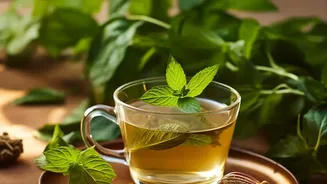
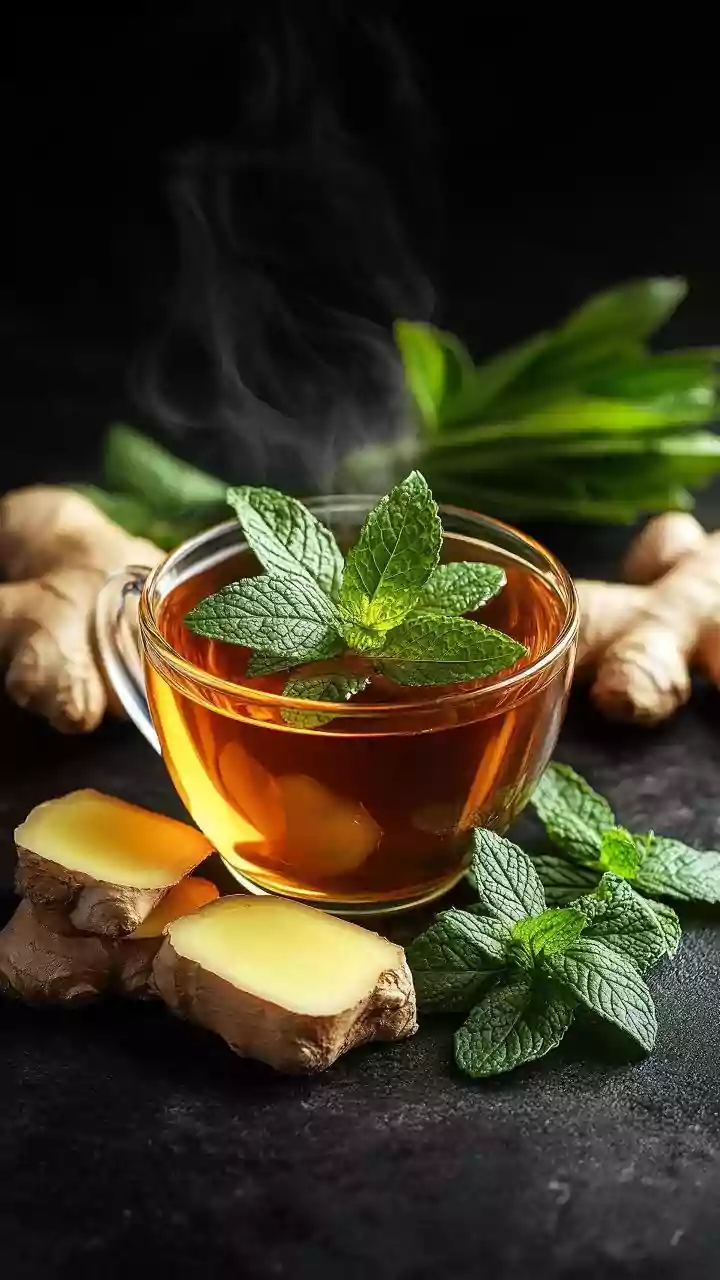
In the world of wellness, few things are as appealing as a remedy that is sitting right in your kitchen cupboard. For tension headaches, that familiar, band-like pressure around the forehead, the idea of using a peppermint tea bag as a compress is a perfect
example. It is accessible, inexpensive, and rooted in a long tradition of using herbs for comfort and healing. The ritual itself is soothing: the steam, the gentle warmth, and the invigorating scent of mint all signal relaxation. This desire for a gentle, non-pharmaceutical solution is what makes claims like this so popular. It feels intuitive and safe, a small act of self-care when you are feeling unwell. But as with many folk remedies, the gap between comfort and clinical effectiveness is where things get interesting.
The Science: It's All About the Menthol
The core truth behind peppermint’s headache-fighting reputation lies in its main active component: menthol. Menthol is a fascinating compound known for its analgesic, or pain-relieving, properties. When applied to the skin, it activates cold-sensitive receptors, creating a cooling sensation that can distract the brain from underlying pain signals. Think of it as a biological trick; the intense cooling sensation competes with the pain signals for your brain's attention. Beyond just a distraction, some research suggests menthol may also interact with pain receptors to block the transmission of pain signals and help relax tense muscles, which are often a key factor in tension headaches. This mechanism is well-studied, but almost exclusively in the context of concentrated topical applications.
Reality Check: Potent Oil vs. Diluted Tea
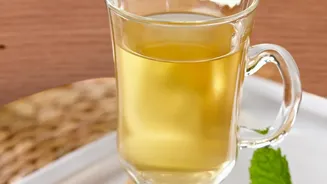
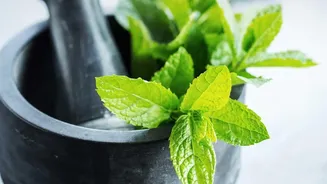
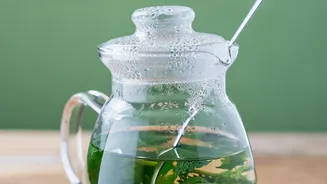
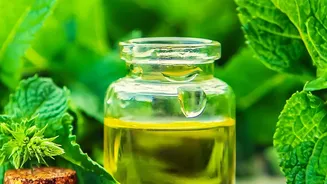
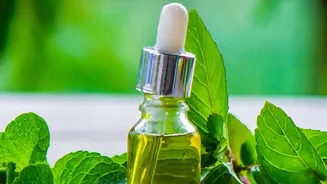
Here is the critical distinction: the scientific studies showing peppermint's effectiveness against headaches use concentrated peppermint oil, not brewed tea. Peppermint essential oil can contain 35-50% menthol, a potent concentration designed for therapeutic use. In stark contrast, peppermint tea is a simple infusion of dried leaves in water. The amount of menthol that makes its way from a dried tea bag, through the brewing process, and onto a compress is dramatically lower. While the dried leaves themselves contain the oil, the concentration is only around 0.5-4%. So, while a tea compress isn't completely devoid of menthol, it delivers a micro-dose compared to the potent applications used in clinical research that have been shown to be as effective as some over-the-counter pain relievers.
The Compress: More Comfort Than Cure
This does not mean a peppermint tea compress is useless. Its benefits are real, but they are likely rooted in sensory comfort rather than potent pharmacology. The gentle pressure of a compress can feel good on a throbbing head. The warmth can help relax tense facial and scalp muscles. And the aromatherapy from the steam can be calming and help ease stress, which is often a trigger for tension headaches. These are all legitimate forms of relief. However, it's important to frame the compress as a comforting ritual—a wellness tool for mild discomfort—rather than a direct, science-backed treatment for the headache itself. The act provides a moment of quiet and focus, which in itself can be a powerful antidote to stress-induced pain.
A More Direct, Science-Backed Approach
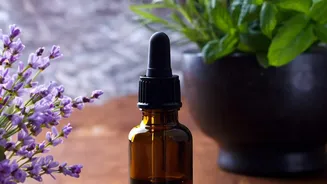
If you want to harness the true power of menthol for headache relief, the evidence points clearly toward topical application of peppermint oil. Studies have shown that a solution of 10% peppermint oil in ethanol, applied to the forehead and temples, can significantly reduce tension headache pain, sometimes within 15-30 minutes. For home use, it's crucial to do this safely. Pure essential oil should never be applied directly to the skin, as it can cause irritation or allergic reactions. Instead, dilute a few drops of high-quality peppermint essential oil into a tablespoon of a carrier oil like coconut or jojoba oil. You can then gently massage this mixture onto your temples, forehead, and the back of your neck. Always perform a patch test on your arm first to ensure you do not have a skin reaction.