



The Challenge: A Watery Woeful Mix
The very ingredient that gives Dahi Kebabs their name is also their biggest structural challenge. Regular curd, or dahi, is full of whey—the watery part of milk. When this whey isn't removed, the kebab mixture becomes soft, sticky, and nearly impossible
to shape. These delicate patties will refuse to hold their form, absorb too much oil, and often disintegrate the moment they hit the heat, leaving you with a soggy mess instead of a golden, crisp appetiser. The foundation of a good kebab is a mixture that is firm enough to be handled and shaped, and that starts with controlling the moisture.
The Solution: The Magic of Hung Curd
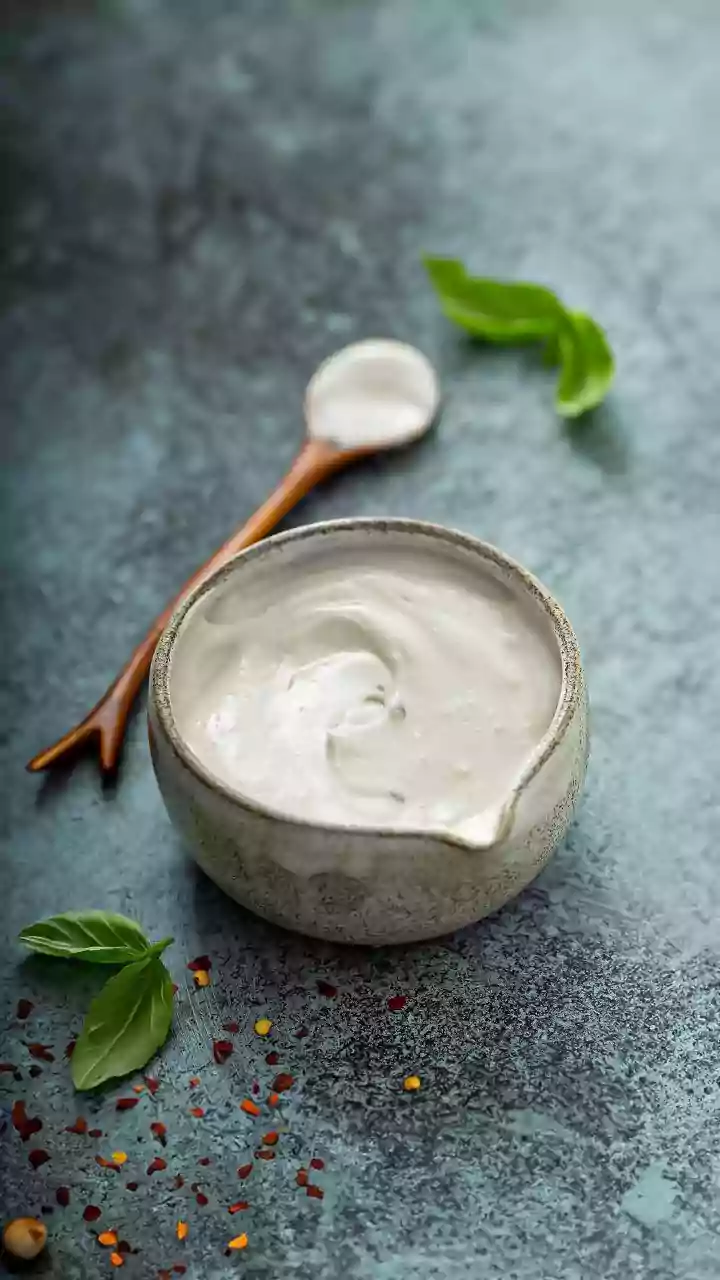
The non-negotiable secret to a firm Dahi Kebab is using hung curd. Hung curd is simply yoghurt that has had all its whey drained out, resulting in a thick, concentrated, and almost cheese-like consistency. This process dramatically increases the protein density of the curd, which acts as a natural binder, giving the kebab mixture the strength it needs to hold together. While you can use store-bought Greek yoghurt, which is already strained, hanging your own curd at home often yields the best results as it ensures maximum whey removal.
How to Make Perfect Hung Curd
Making hung curd is simple but requires patience. Start with fresh, full-fat yoghurt, as it provides the best creamy texture. Line a deep sieve with a clean muslin or cheesecloth and place it over a bowl to collect the whey. Pour the yoghurt into the cloth, bring the edges together, and gently squeeze to remove some of the initial liquid. Then, let it hang in the refrigerator. For dips, a few hours might suffice, but for firm kebabs, you need to drain it for at least 6-8 hours, or even better, overnight for 12-14 hours. Some recipes even suggest placing a weight on top to speed up the process and achieve an even denser curd. The final product should be thick enough to hold its shape completely.
Essential Binding Agents
While hung curd does the heavy lifting, a little extra help from binding agents can make your kebabs foolproof. Roasted gram flour (besan) is a traditional and highly effective addition. Roasting the besan for a few minutes on low heat before adding it to the mix removes its raw taste and enhances its binding properties. It works by absorbing any residual moisture. Crumbled paneer and breadcrumbs are other excellent choices. Paneer not only helps firm up the mixture but also adds to the creamy, rich texture, while breadcrumbs contribute to a crunchy exterior and help maintain the kebab's structure during frying.
Final Touches for Flawless Kebabs
Once your mixture is perfectly firm, a few final steps ensure success. Always chill the mixture in the refrigerator for at least 30-60 minutes before shaping. This makes the patties easier to handle and helps them stay firm. When shaping, wet your palms slightly with water to prevent the mixture from sticking. Another pro-tip is to add salt at the very end. Salt draws moisture out of other ingredients like onions, so adding it last prevents the mixture from becoming watery again. Finally, fry the kebabs on a medium-low flame. Frying on high heat will brown the outside too quickly before the inside has a chance to set, causing the kebabs to break when flipped.