



Why Quinoa Deserves a Spot on Your Plate
Before we get to flavour, let's appreciate why quinoa is worth eating in the first place. Unlike many other grains, it is a complete protein, meaning it contains all nine essential amino acids our bodies need. It's also packed with fibre, which aids digestion
and helps you feel fuller for longer. Add to that a healthy dose of minerals like magnesium and iron, and you have a gluten-free grain that supports everything from energy levels to heart health. Its versatility and quick cooking time—often just 15 minutes—make it an ideal base for fast, healthy meals.
The Foundational Flavour Trio
The combination of olive oil, lemon juice, and salt is a classic for a reason. This simple vinaigrette works on a fundamental culinary principle: balancing fat and acid. The extra virgin olive oil provides a rich, earthy flavour and a smooth mouthfeel that coats each grain of quinoa. The fresh lemon juice cuts through that richness with a bright, zesty tang, waking up not only the quinoa but also any vegetables you add to the mix. The acid in the lemon juice brightens the natural flavours of the ingredients, making them taste more like themselves. Salt then acts as a universal flavour enhancer, tying everything together. It's a simple, clean dressing that complements rather than overpowers.
Cooking Quinoa for Perfect Texture
The biggest complaint about quinoa is that it can turn out mushy. Achieving a fluffy texture is key. First, always rinse your quinoa in a fine-mesh sieve under cold water. This removes its natural coating, called saponin, which can taste bitter or soapy. While some packaged quinoa is pre-rinsed, a quick rinse is still a good habit. For the best flavour, toast the rinsed quinoa in a dry pot for a minute or two until it's fragrant before adding liquid. When it comes to the liquid-to-grain ratio, a common mistake is using too much water. A ratio of 1 cup of quinoa to 1.5 or 1.75 cups of water or broth often works better than the typical 1:2 ratio. Bring it to a boil, then reduce the heat to a low simmer, cover, and cook for about 15 minutes or until the liquid is absorbed. Finally, let it rest off the heat, covered, for 5 minutes before fluffing with a fork.
Choosing Your Vegetable Companions
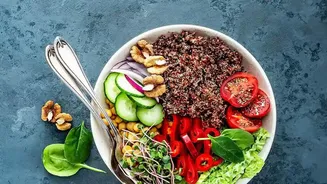
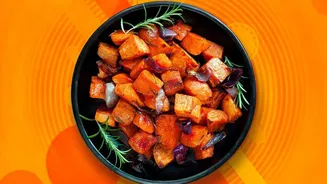
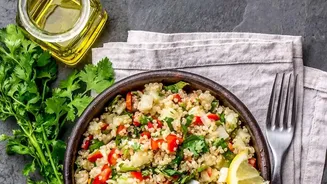
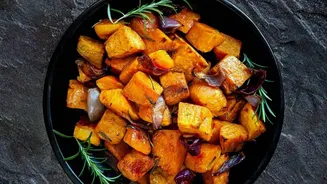
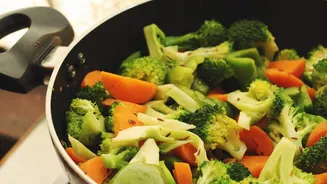
This is where you can get creative. The beauty of this quinoa base is its ability to pair with almost any vegetable. For a fresh, crunchy salad, toss it with raw, diced vegetables like cucumber, bell peppers, tomatoes, and red onion. Roasted vegetables add a deeper, sweeter flavour profile; try broccoli, carrots, sweet potatoes, or zucchini tossed in a little olive oil and roasted until tender and slightly caramelised. Steamed or lightly sautéed greens like spinach, kale, or asparagus also work wonderfully, adding a vibrant colour and a host of nutrients. Don't be afraid to mix and match cooked and raw vegetables for a more complex texture.
Bringing It All Together
The final step is the toss. For the best results, allow the quinoa to cool slightly so it doesn't wilt delicate vegetables or greens. In a large bowl, combine your fluffy quinoa and chosen vegetables. In a small jar or bowl, whisk together the lemon juice and olive oil—a good starting point is one part lemon juice to two or three parts olive oil, but adjust to your taste. Add a pinch of salt and pepper. Pour this dressing over the quinoa and vegetables, and toss gently until everything is lightly coated. Taste and adjust the seasoning as needed. For an extra layer of flavour and texture, consider adding fresh herbs like parsley or cilantro, toasted nuts or seeds, or crumbled feta cheese.