



Sabudana (Tapioca Pearls)
No vrat kitchen is complete without sabudana, and for good reason. These starchy pearls are a fantastic source of carbohydrates, providing sustained energy to keep you going through the day. While sabudana khichdi is a beloved classic, its potential goes
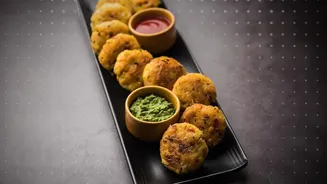
far beyond. For a crispy snack, mix soaked sabudana with mashed potatoes, roasted peanuts, and green chillies to make delicious vadas or tikkis. For a sweet and comforting dish, simmer it in milk with cardamom and nuts to prepare a creamy kheer. You can even make a vrat-friendly batter with sabudana and buckwheat flour to create savoury pancakes or cheelas.
Kuttu Ka Atta (Buckwheat Flour)
Buckwheat flour, or kuttu ka atta, is another cornerstone of fasting cuisine in India. Despite its name, it isn't related to wheat and is naturally gluten-free. It's a powerhouse of nutrients, rich in protein and fibre, which helps in keeping you feeling full and satisfied. The most popular use is for making crispy kuttu ki puri, often served with a simple potato curry seasoned with rock salt and cumin. However, you can also use it to create savoury pancakes (cheelas), perfect for a light dinner. For a creative twist, try making kuttu paneer cutlets by combining the flour with mashed paneer and potatoes for a protein-packed snack.
Potatoes and Sweet Potatoes
The humble potato is perhaps the most versatile vegetable in a vrat diet. It can be boiled, fried, mashed, or curried, adapting to almost any dish. A simple jeera aloo, cooked with cumin seeds and rock salt in ghee, is a quick and satisfying meal. Mashed potatoes serve as a crucial binding agent for tikkis and cutlets made from sabudana or kuttu. Don't forget its sweeter cousin, the sweet potato (shakarkandi). A simple sweet potato chaat, made by tossing boiled cubes with lemon juice and spices, is both healthy and delicious. For a unique dessert, you can even make a shakarkandi kheer by simmering grated sweet potato in milk.
Makhana (Fox Nuts)
Light, crunchy, and nutritious, makhana is an ideal ingredient for Sawan fasting. Low in calories and rich in protein and calcium, they are perfect for guilt-free snacking. The simplest way to enjoy them is by roasting them in a little ghee with a sprinkle of rock salt and black pepper. For a more substantial meal, makhana can be added to a light vegetable curry. They also make for a wonderful dessert; makhana kheer is a creamy, delightful dish that is both easy to prepare and incredibly satisfying. You can even grind roasted makhana into a coarse powder and use it to thicken soups or gravies.
Samak Ke Chawal (Barnyard Millet)
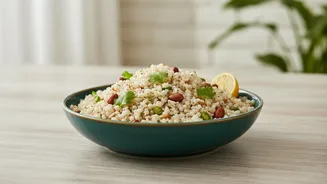
For those who miss rice during their fast, samak ke chawal, or barnyard millet, is the perfect substitute. It is technically a seed, not a grain, making it permissible for most fasting traditions. This tiny, gluten-free millet is light on the stomach and cooks quickly. You can prepare a simple pulao by sautéing it with cumin seeds, green chillies, and your favourite vrat-friendly vegetables like potatoes and carrots. It can also be used to make a creamy kheer for a wholesome dessert or ground into flour to prepare dosas, idlis, or uttapams. Its neutral flavour allows it to absorb the taste of spices, making it a versatile base for many dishes.